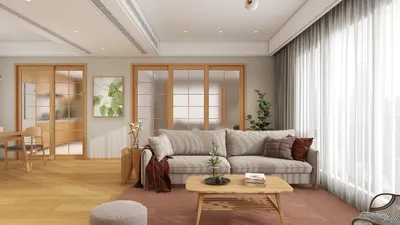


Antique mirrors have been carefully integrated into a variety of living spaces—townhouses, loft conversions, and modern condos. A well-placed reflective surface not only enhances proportions but also brightens dark seating areas while adding historical character. When chosen thoughtfully, an antique mirror can serve as a crucial architectural element, influencing a room’s ambiance by softening light and guiding movement—transforming it from a mere decorative item into a focal point. The essence lies in harmonizing scale, placement, and lighting to suit the genuine use of the space. Additionally, tools like Homestyler can assist in visualizing these designs effectively.
When designing a living area, two key metrics form the basis for establishing priorities. The IES guidelines advocate for optimal illumination levels of around 200–300 lux in living rooms to facilitate reading, social interactions, and safe movement. Mirrors can play a significant role in enhancing perceived brightness, especially in spaces with limited natural light. Furthermore, research from Steelcase shows that residents, including those working from home, prioritize visual comfort alongside glare control and balanced illumination, making the right antique mirror placement vital. The natural patina of these mirrors softens intense reflections and reduces contrast, aligning with both of these requirements when installed and lit appropriately.
Understanding the Term “Antique” and the Importance of Patina
In selecting the perfect antique mirror, I pay attention to three key elements: the age or age-consistent construction (such as hand-silvered glass and natural foxing), the quality of frame craftsmanship (solid wood, gilt, or bronze showcasing visible wear), and proportions that match contemporary seating heights. Authentic foxing—the distinctive speckled oxidation present in the glass—helps to soften stark highlights, minimizing glare and creating a warmer light akin to candlelight. This soft diffusion proves particularly beneficial in open-plan living areas where various light sources, like TVs and windows, compete for attention.
Scale and Proportion: Achieving the Right Ratios
For standard ceiling heights (around 8–9 feet), selecting a vertical antique mirror measuring between 60 and 72 inches will create a pleasing visual column that elongates the wall without overwhelming it. Specifically, when positioning a mirror above a sofa, the ideal width should be between 60–80% of the sofa’s width, leaving a margin of 3–6 inches on either side to maintain visual clarity. For mirrors above a fireplace, ensure a placement of 4–7 inches above the mantel to respect the balance of surrounding moldings while establishing a consistent vertical flow with adjacent sconces. If you are also reevaluating the room's layout, employing a Homestyler tool can greatly assist in assessing sightlines and sunlight patterns before finalizing hanging locations.
Strategic Placement: Light, Views, and Flow
In essence, mirrors serve to curate reflections rather than simply offer a chance for self-viewing. I install them strategically to reflect the most captivating features of the space—often a beautiful window view, a cozy fireplace, or an arresting piece of art—while avoiding the duplication of clutter. It's best to position mirrors at an angle rather than directly facing a TV, as the flicker and motion can lead to viewer fatigue. A recommended setup involves offsetting mirrors by 15–30 degrees from intense light sources, allowing them to catch soft daylight and disperse it further into the seating area. In narrow rooms, a full-length antique pier mirror, positioned along a short wall, can create an illusion of depth and direct movement toward seating areas.
Illuminating Your Mirror: Lux Levels, Colors, and Glare Control
To achieve the IES-recommended lux levels of 200–300 in living rooms, I advocate for a combination of three light sources: diffuse ambient lighting (like a dimmable ceiling fixture or cove lights), accent sconces placed near the mirror at 2700–3000K, and portable table lamps. It’s crucial to maintain gentle luminance ratios, ideally no more than a 10:1 ratio between the brightest light source and surrounding surfaces. Employing wall washers a few inches from the mirror’s frame enhances texture without overexposing the glass. The warm tones of gilt frames are best complemented by 2700K LED lights, while bronzes and darker woods can effectively work with 3000K for a crisper effect. Incorporating dimmers is essential in multi-functional living spaces.
Materials and Finishes for Frames: Balance of Character and Durability
Beautiful gesso-and-gilt frames offer a classic touch that harmonizes with cooler wall tones, while ebonized wood or aged brass allows antique mirrors to fit seamlessly into modern aesthetic schemes. It's vital to check the stability of joints and backboards; many period frames benefit from discreet conservation practices (like securing loose corners and updating hangers). I recommend avoiding excessive re-gilding to maintain the integrity of the age and ensure the mirror does not appear overly new.
Considering Ergonomics and Human Factors
In the context of living rooms, the role of the mirror is primarily to enhance spatial comfort rather than to serve as a grooming tool. The top third of the mirror should ideally be positioned at a height of 78–84 inches above finished floor (AFF) to help elongate the wall visually without forcing seated guests to be constantly aware of their reflections. Ensure there is adequate clearance around door swings and traffic passages; maintaining a minimum of 36 inches prevents accidental bumps and improves flow. If a mirror is situated behind a primary seating area, angling it slightly can help mitigate direct reflections, thus reducing distractions during conversations.
Exploring Color Psychology: Matching Wall and Frame
Antique mirrors bring a warm hue to a space; pairing them with balanced neutral wall colors (such as stone, mushroom, or smoky white) allows the patina to shine without clashing with cooler shades. For a more dramatic aesthetic, deep greens and oxblood colors enhance the luxury of gilt frames, while soft plaster tones can make foxed glass appear radiant under light. The subtle variances in wall finish sheen are also significant—opting for eggshell or matte textures help prevent glare while enriching the overall color experience beneath artificial lighting.
Acoustic Considerations and Surface Balance
Mirrors possess reflective properties that affect sound as well as visuals. To prevent excessive echo in a lively room, it’s important to balance reflective surfaces with textiles, including a dense rug (ideally 0.5 inch pile or a handwoven flatweave with an underlay), lined drapes, and upholstered furniture. When dealing with larger mirrors, I often recommend installing a fabric-wrapped pinboard or a bookcase directly opposite to minimize echoes and foster clearer conversations.
Safety, Mounting, and Conservation Tips
When working with antique mirrors which generally weigh more than contemporary float glass, it's essential to use robust mounting systems such as French cleats or z-clip systems anchored into wall studs. For plaster walls, identify the lath and incorporate suitable anchors for stability. Museums typically aim for a safety factor of 5:1 on hanging fixtures; while this may be overkill for residential use, I still err towards durable hardware choices and thoroughly check wall conditions. Should the silvering show signs of degradation, consulting a conservator is advisable before installation, especially near heat sources like fireplaces or windows that receive direct sunlight.
Achieving Styling Without Clutter
Allow your mirror to breathe within the space. On mantels, curate asymmetrical vignettes—perhaps one striking sculptural piece standing 9–12 inches high alongside a modest stack of books. On console tables positioned beneath a mirror, a single lamp with a fabric shade coupled with a shallow bowl is often sufficient; keeping the area under the mirror’s lower edge free of objects helps in highlighting the frame's silhouette.
Merging Modern Layouts with Classic Elements
In open spaces, an antique mirror can act as a timeless anchor that ties together modern furnishings—a streamlined sectional, a steel coffee table, or a woven chair—into a harmonious narrative. While exploring zoning options, I often utilize an interior layout planner to visualize placements and understand how sightlines flow across dining, relaxation, and media sections prior to any structural changes.
Maintenance Best Practices for Longevity
To preserve the integrity of frames, dust regularly using a soft brush, steering clear of ammonia-based cleaners on the glass, as these may penetrate any compromised silvering. Lightly moistened microfiber cloths work well, avoiding the edges of the frame. If the mirror sits near a window that opens, seasonal checks for condensation are crucial to preventing accelerated foxing; employing micro felt pads behind lower corners can facilitate ventilation and minimize wall wear.
- Aim for 200–300 lux in seating areas; utilize 2700–3000K LEDs equipped with dimmers.
- Size mirrors to be 60–80% of the sofa width or retain a height of 60–72 inches for effective vertical anchoring.
- Ensure secure mounting with French cleats into studs; thoroughly confirm wall conditions pre-installation.
- Orient mirrors to capture views rather than screens; maintain an offset from strong light sources.
- Counteract acoustics with the addition of rugs, drapery, and upholstered items for a balanced environment.
- Keep styling minimal to respect the mirror’s frame and its historical patina.
FAQ
Q1. What size should an antique mirror be when positioned above a sofa?
A1. Target a size that is 60–80% of the sofa width, ensuring the bottom of the mirror is placed 6–10 inches above the back cushion to maintain a tranquil proportion, avoiding clutter around side decor or sconces.
Q2. Does a foxed antique mirror darken my living space?
A2. Not if light is managed effectively. Foxing reduces harsh reflections, and with layered lighting achieving the 200–300 lux target, it can actually enhance visual comfort by mitigating glare.
Q3. Which color temperature pairs best with gilt frames?
A3. Warm LEDs at 2700K are ideal as they enhance gold leaf and aged wood, preserving the warm, candlelit feel that antique mirrors naturally provide.
Q4. Am I able to position an antique mirror directly opposite a window?
A4. Yes, although it's best to slightly offset the angle to prevent direct sun rays from hitting the glass. A gentle reflection of daylight across the mirror can brighten the room effectively without causing hotspots or excessive thermal load.
Q5. How can I reduce reflections from a TV in my living room?
A5. Avoid directing the mirror towards the screen. A slight shift of 15–30 degrees or relocating to focus on a calmer element like a fireplace or artwork yields better results.
Q6. What’s the safest method for mounting a bulky antique mirror?
A6. Opt for a French cleat or z-clips, adequately affixed to wall studs with appropriately rated screws. On plaster, locate the lath and incorporate anchors for additional support. Check that the hardware is rated higher than the actual mirror's weight.
Q7. Are antique mirrors suitable for modern interior designs?
A7. Absolutely! A singularly scaled antique mirror can soften contemporary lines, deepen the space, and introduce a tactile quality without clashing with modern aesthetics.
Q8. What is the best way to clean my antique mirror without causing damage?
A8. Use a slightly damp microfiber cloth, but be careful to avoid the edge of the frame. Steer clear of ammonia or alcohol-based cleaners near the edge where silvering is most vulnerable.
Q9. Will a large mirror worsen sound quality in my room?
A9. Just as with glass windows, mirrors can reflect sound. It’s vital to balance this out with rugs, curtains, and upholstered pieces to ensure conversations remain clear.
Q10. What wall finish goes best with antique mirrors?
A10. Opt for matte or eggshell finishes to prevent glare, allowing the patina to be subtly visible. Warm neutrals or deep green tones work especially well with gilt frames.
Q11. Is it possible to backlight an antique mirror?
A11. I recommend using side sconces or grazing lights for protection of frames while avoiding edge halos that clash with historical pieces. If backlighting is desired, ensure it remains dim and warm.
Q12. How high should I mount a tall antique mirror?
A12. Aim for a top height of 78–84 inches to visually stretch the wall. Ensure appropriate support for the center of gravity and maintain clear space around door openings.

Natural Live Edge Solid Walnut Coffee Table Top 3D Model

31.5" Drum Coffee Table Modern Unique Fluted Tea

Looking to transform your living space? Homestyler offers an intuitive online design tool, stunning 3D renderings, and an abundance of inspiring design projects. Plus, with accessible DIY video tutorials, bringing your home design dreams to life has never been easier! Start creating today!
Design jetzt kostenlos
































