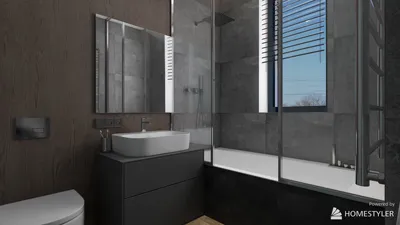


I once worked with a client who dreamed of transforming her bathroom into a Victorian parlor—complete with a luxurious clawfoot tub, an ornate mirror, and a petite chandelier that almost touched the shower curtain. This experience taught me that while antique bathroom decor exudes a romantic aura, it requires thoughtful planning to fit seamlessly into smaller spaces. If you aspire to achieve that vintage charm without making your bathroom feel like a museum, utilizing an effective bathroom layout planner like Homestyler can help strike the perfect balance between elegance and functionality.
1. Embrace a singular antique centerpiece
I frequently advise clients to select a single genuine piece to anchor their design—a true clawfoot tub or a vintage oak medicine cabinet. This choice immediately introduces character and creates a focal point. However, it's important to recognize the potential downsides, such as cost or unique plumbing needs. A practical approach is to couple an expensive antique with sleek, modern fixtures to avoid overwhelming the space with a period theme.
save pin
2. Combine various metals and finishes
When mixed thoughtfully, brass, bronze, and aged nickel can create a stunning visual effect. I once paired a vintage brass faucet with a chrome shower rail, successfully modernizing an otherwise classic powder room while maintaining warmth. Beware of over-matching, as too many similar finishes can make a space feel flat instead of curated.
save pin
3. Incorporate patterned tiles and classic trims
Incorporating patterned encaustic or penny round tiles can instantly evoke a period feel, while beadboard or wainscoting adds depth. Scale is key—smaller bathrooms benefit from using smaller tiles or half-height patterns. Before finalizing, utilize a 3D floor planner like Homestyler to visualize how grout lines and patterns will work in the space.
save pin
4. Transform furniture into storage solutions
Repurpose a vintage dresser as a vanity or hang an apothecary shelf for toiletries—these ideas add character while addressing storage needs. The advantage is unique storage solutions with charming patina; however, ensure they are moisture-resistant and properly plumbed. Sealing the underside and adding liners can help preserve wood while maintaining the desired aesthetic.
save pin
5. Layer lighting, mirrors, and textiles
The right lighting is crucial to achieving an antique ambiance. Combining wall sconces, a soft overhead fixture, and a large beveled mirror enhances the room's depth and atmosphere. Soft textiles—like linen shower curtains or embroidered hand towels—help to cozy up the environment. To experiment with layouts and ensure light fixture clearances, consider using a free floor planning tool such as Homestyler to avoid placing a chandelier over a steam-generating shower.
save pin
Tips 1:
Budget reminder: prices for vintage items can vary significantly—establish your priorities (tub first, tiles next) and think about using reproduction hardware to achieve the look cost-effectively. It's essential to assess ventilation and waterproofing when introducing porous antiques in humid bathrooms.
save pin
FAQ
Q1: What are the key features of "antique bathroom decor"?
A: Antique bathroom decor focuses on period-specific materials and designs—such as clawfoot tubs, brass fixtures, encaustic tiles, and wooden vanities with character. It emphasizes curated authenticity rather than replicating a single time period.
Q2: Is it possible to mix modern plumbing with antique fixtures?
A: Certainly! Many antique-style fixtures can adapt to modern plumbing standards, and with the right adapters, you can retrofit original pieces. I always suggest collaborating with a plumber who is experienced with vintage hardware.
Q3: Are antique materials suitable for small bathrooms?
A: Absolutely—as long as you select appropriately scaled pieces and durable finishes. Smaller tiles, slim vanities, and wall-mounted fixtures can keep the floor space clear while retaining that vintage feel.
Q4: How can I protect wooden antiques from moisture exposure?
A: Use marine-grade varnish or polyurethane to seal wood surfaces that may experience splashes, and incorporate liners in drawers. Regular maintenance will help preserve the patina while ensuring longevity.
Q5: Is achieving an authentic antique look costly?
A: Costs can differ greatly. Salvaged antiques can be expensive, but using reproductions and strategically investing in key pieces (one real item paired with affordable accents) can yield impressive results while staying within budget. Many of my projects successfully combine original elements with modern replicas to balance charm and cost.
Q6: What safety and compliance factors should I consider?
A: Ensure that electrical fixtures located near water comply with local codes, and verify that any antique tubs or plumbing meet modern safety and accessibility guidelines. Consulting local building codes early in the design process is wise.
Q7: Where can I find information on preserving historic bathroom elements?
A: The National Trust for Historic Preservation provides comprehensive resources on conserving historic materials and fixtures; their website at https://savingplaces.org offers valuable guidance and real-life case studies.
Q8: How should I begin planning an antique bathroom remodel?
A: Start with a well-measured plan and a ranked wishlist—identify your essentials (like tub, vanity, tiles), set a budget, and experiment with layouts before making any purchases. Creating small mockups or using digital planning platforms like Homestyler will save time, reduce costs, and prevent future regret.
save pin
Homestyler is your go-to online home design platform, perfect for transforming your ideas into stunning visuals. With its user-friendly design tool, impressive 3D renderings, diverse design projects, and helpful video tutorials, creating your dream space has never been easier or more fun!
Desain sekarang Gratis
































