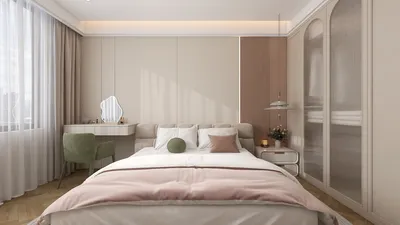


In a creative discussion with a client about potentially installing a disco ball in their compact studio for "dramatic lighting," we shared a good laugh. This exchange highlighted how crucial ambient lighting is for small spaces. I find small rooms particularly fascinating—when the lighting is just right, the entire room comes alive.
1. Incorporate Soft Overhead Lighting
I usually start by implementing a recessed or cove ceiling wash, which provides a uniform and glare-free lighting foundation. This method offers a seamless, tranquil backdrop that conceals many imperfections typical of cozy spaces. However, it requires careful planning of ceiling depth and electrical setups. In a kitchen renovation project I led, a slender cove not only elevated the perceived height of the low ceiling but also added a touch of luxury without obstructing sightlines.
save pin
2. Introduce Warm Wall Grazing
Utilizing slim linear fixtures for wall grazing can accentuate textures such as brick, plaster, or wallpaper, providing a sense of depth. While this approach is both economical and visually stunning, placing the fixtures accurately is essential to avoid unsightly hotspots. In a small living room, I employed this method to transform a simple wall into a focal point that visually expanded the space.
save pin
3. Implement Under-Cabinet Ambient Lighting
Installing LED strips under kitchen and bathroom cabinets offers consistent ambient illumination close to work areas and diminishes the reliance on harsh overhead lighting. Energy-efficient and subtle, it’s crucial to select high CRI strips paired with quality diffusers to eliminate visible dots. In a compact kitchenette project, these under-cabinet lights not only illuminated the countertops but also created an illusion of more usable workspace.
save pin
4. Opt for Layered Floor and Table Lamps
Freestanding lamps are my preferred choice for adaptable ambient lighting—they add warmth and can be easily repositioned. This flexibility allows for instant mood adjustment, though it does require sensitivity to furniture layout in smaller rooms. In one instance, I saved a studio from feeling cramped by replacing a bulky pendant light with two slender floor lamps, which instantly softened the atmosphere of the space.
save pin
5. Utilize Smart Dimming Features
Smart dimmers and pre-set scenes enable easy modification of ambiance for various activities such as cooking, reading, or unwinding without any need for rewiring. While they represent a bigger initial investment and demand some setup, these devices maximize the utility of every light source in small homes. When I installed scene-based controls in a compact flat, the owner marveled at how a simple tap could alter brightness and color temperature.
save pin
Tips for Effective Lighting:
Budget tip: Focus on obtaining good diffusion and high CRI lighting instead of excessively cheap LEDs—natural-looking light helps small spaces appear more expansive. To visualize and plan lighting layers, I often rely on a room planner to assess fixture placements before any installation begins. Always test temporary fixtures prior to finalizing hardwired setups.
save pin
Frequently Asked Questions
Q1: What color temperature is optimal for ambient lighting in compact rooms?
A1: Warm white shades (2700K–3000K) generally evoke a cozy and spacious atmosphere in living areas, while cooler tones are better suited for task-oriented spaces. Personal preference also plays a significant role, so it’s wise to sample different options.
Q2: How much ambient light is considered sufficient?
A2: Aim for a range of 100–300 lux for relaxed ambient spaces, and higher levels for more active tasks. Combining different lighting layers is preferable to relying on a single bright source.
Q3: Can smart lighting influence the perceived size of a room?
A3: Absolutely—using dimming features, warmer light tones, and wall washes can make spaces feel more spacious by reducing contrast and creating visual depth.
Q4: Are LED strips appropriate for use in bathrooms?
A4: Yes, provided you use IP-rated (IP44+) LED strips along with suitable diffusion and high CRI to ensure both safety and pleasant illumination.
Q5: How can I minimize glare in smaller settings?
A5: To reduce glare, utilize diffusers, indirect lighting solutions, and multiple lower-output sources rather than relying on a singular bright lamp.
Q6: Is it necessary to hire a professional for lighting design?
A6: While professional help is beneficial for complex renovations, many small-room lighting enhancements (like dimmers, strips, and lamps) can be tackled as DIY projects.
Q7: Where can I find more information on lighting layer planning?
A7: The IES Lighting Handbook is a reputable reference that provides standards and strategies for effective layered lighting from the Illuminating Engineering Society.
Q8: Can I visualize lighting setups without purchasing fixtures?
A8: Certainly—you can apply a 3D floor planner to create mock-ups of fixtures and evaluate how various lighting layers will interact in a virtual environment.
save pin
Looking to transform your space? Homestyler is your go-to online home design platform! With its user-friendly design tool, stunning 3D renderings, and a wealth of inspiring design projects and DIY video tutorials, you can effortlessly create your dream home. Start designing today!
Design Now for FREE
































