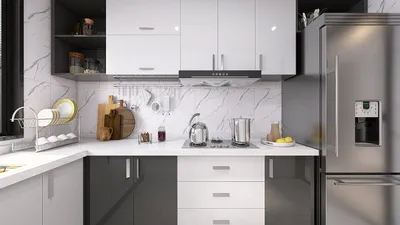


There was a time when I agreed to repaint a client's kitchen cabinets after they described the desired look as 'vintage chic.' However, I was met with layers of nicotine and an enigmatic stain instead. This experience taught me that thorough preparation is more valuable than high-end materials. Additionally, a basic kitchen layout planner mockup can prevent awkward door movements and wasted paint.
Small kitchens often inspire innovative solutions. With over ten years of designing experience, I still find joy in how a little creativity and strategic planning can transform a space. In this article, I’ll share five affordable DIY ideas for kitchen cabinets that I've successfully implemented, along with practical tips, potential pitfalls, and advice on when to engage a professional.
1. Paint and New Hardware
This is my go-to method—cleaning or stripping, lightly sanding, priming, and then applying a semi-gloss paint for maximum durability. By adding new knobs and pulls to existing cabinets, you can completely rejuvenate their appearance; for instance, I once transformed builder-grade maple cabinets into a modern farmhouse look for under $200.
Advantages: it's the most cost-effective and quickest solution. Disadvantages: paint alone cannot conceal structural flaws or warped doors. Budget tip: buy hardware sets during sales and test a single door to ensure it meets your expectations before proceeding with a complete overhaul.
save pin
2. Replace Doors, Retain the Boxes
By replacing doors and drawer fronts while keeping the cabinet frames, you can significantly cut costs while achieving a custom appearance. I’ve ordered simple shaker-style doors and routed handles on my own, aligning them with a client’s desired style without incurring custom cabinet expenses.
It can be a bit tricky—ensuring the hinge alignment and managing gaps between drawer fronts might require some adjustment—but the aesthetic rewards are substantial compared to the investment. Opting for pre-finished doors can also minimize the amount of sanding and painting needed.
save pin
3. Open Shelving and Reclaimed Wood Accents
Eliminating cabinet doors with open shelves creates a spacious feel and is quite economical. I once replaced three upper cabinet doors with floating shelves crafted from reclaimed barn wood; my client loved the added warmth, and it came at a minimal cost.
Just keep in mind: open shelving necessitates maintaining order and choosing aesthetically pleasing dishware. To visualize changes beforehand, I often utilize a 3D floor planner, which ensures the proportions work effectively and helps avoid unexpected issues like blocked light from shelves.
save pin
4. Reface with Veneer or Laminate Sheets
When the cabinet boxes are intact but the surfaces appear worn, refacing with UV veneer or laminate sheets offers an affordable upgrade. I previously applied a peel-and-stick veneer in a rental unit; with careful seam matching, it surprisingly resembled custom work for a fraction of the replacement costs.
Challenges include needing precise finishes at edges and corners; subpar adhesive can result in bubbling. Required tools include flush cutters, a roller, and quality contact cement for tricky edges to achieve a professional look.
save pin
5. IKEA Hacks and Ready-to-Assemble Frames
IKEA and RTA (ready-to-assemble) systems are invaluable for budget-conscious kitchens—offering versatile modular boxes and affordable interiors, while still allowing for custom fronts or painting. I have created entire galley kitchens by merging RTA bases with a few custom drawer fronts to cover the mass-produced appearance.
While this approach can save a significant amount, it demands patience with instructions and some carpentry skills for achieving perfect fits. Pro tip: use a convenient free floor plan creator to arrange cabinet configurations and ensure that doors and appliances will not interfere with each other before making any purchases.
In conclusion, affordable DIY kitchen cabinets rely more on wise decisions than miraculous materials. If you're capable of measuring, sanding, and adhering to a plan, you can revamp a kitchen without breaking the bank. However, if you encounter plumbing, electrical, or structural surprises, it's wise to consult a professional—small issues can quickly escalate into costly repairs.
save pin
FAQ
Q1: What’s the most cost-effective way to refresh kitchen cabinets?
A1: Typically, the quickest and most affordable update involves painting and replacing hardware. Proper preparation—cleaning, light sanding, and priming—will extend the durability of the finish.
Q2: Are refaced cabinets sturdy?
A2: Absolutely, provided the underlying cabinet is sound. Veneer and laminate refacing can be quite durable, but edges need to be sealed meticulously to prevent peeling over time.
Q3: Am I able to install new cabinet doors on my own?
A3: Yes, if you are comfortable with measuring, routing hinge pockets, and aligning doors. I usually suggest dry-fitting everything beforehand to avoid mistakes that can be costly.
Q4: Is plywood a better material than MDF for DIY cabinet doors?
A4: Plywood is better equipped to withstand moisture and warping compared to MDF, making it a preferable choice for kitchens. As noted by This Old House, plywood is commonly recommended for cabinet boxes due to its strength and moisture resistance.
Q5: What budget should I set for a DIY cabinet refresh?
A5: Expect an expenditure ranging from $100 to $1,000, depending on paint quality, hardware costs, and whether you opt for new doors. Simple paint-and-hardware refreshes will be on the lower end; custom fronts will increase expenses significantly.
Q6: What tools are essential for DIY cabinet projects?
A6: At minimum, you will need a sander, painting tools, a drill, screwdrivers, a level, and clamps. If you are refacing or installing new doors, a router and flush-cut saw will help achieve neater edges.
Q7: Should I replace hinges when updating cabinets?
A7: If hinges are old, noisy, or lack adjustability, it’s advisable to replace them. New soft-close or adjustable hinges enhance functionality and give a polished feel to the project—plus, they're affordable and elevate the overall quality.
Q8: How do I plan layout changes when reorganizing cabinets?
A8: Take precise measurements, map out appliance clearances, and visualize the workflow triangle—sink, stove, fridge. Utilizing digital planning tools or basic sketches for the floor plan will reduce clearance errors and guarantee that doors and drawers do not clash.
save pin
Homestyler is your go-to online home design platform, perfect for anyone looking to transform their space. With its easy-to-use design tool, stunning 3D renderings, and a wealth of inspiring design projects and video tutorials, you can effortlessly create your dream home. Dive in and let your creativity shine!
Diseño ahora GRATIS
































