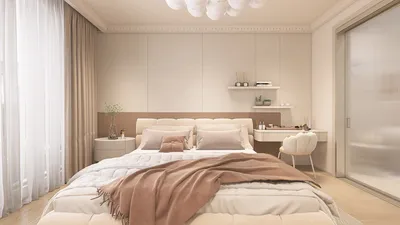


Designing an adorable room while staying within budget begins with mindful considerations such as soothing colors, flattering lighting, and layouts that facilitate daily activities. During my recent transformation of a compact 120-square-foot bedroom, I concentrated on affordable enhancements—paint, textiles, lighting, and petite furniture—while ensuring functionality and storage were efficiently managed. Research emphasizes the significance of effective design; as shown in Gensler's findings on spatial efficiency, environments conducive to focused tasks can enhance perceived performance by 20–25%, particularly when lighting and ergonomic factors align with personal habits. Moreover, the WELL v2 framework underscores the importance of circadian lighting and sound comfort as essential elements of wellbeing, supporting the notion for strategic minor upgrades that provide both comfort and utility, particularly with tools like Homestyler.
The quality of light is crucial in establishing a room that feels both charming and serene. The Illuminating Engineering Society suggests maintaining about 200–300 lux for general bedroom lighting, while task-specific areas benefit from 300–500 lux, particularly for reading tasks. Coupling this with warm light at 2700–3000K will create a cozy atmosphere that enhances colors and complements skin tones. Additionally, color psychology plays a vital role; as noted by Verywell Mind, soft pinks can alleviate feelings of aggression, whereas blues are associated with tranquility and lower heart rates. Personally, I utilize a warm ambient lamp, a focused reading sconce, and delicate fairy lights on a dimmer to sculpt the mood while maintaining visibility.
Establish a Color Story You Can Embrace
Select three core colors: a primary wall shade, a secondary accent, and a metallic or natural texture. To evoke a cute, fresh ambiance, I suggest a soft blush feature wall, creamy white bedding, and accents of brushed brass or rattan. Keeping saturation subdued fosters visual harmony, and it’s effective to replicate each shade at least three times throughout the space (for example, wall, cushions, picture frames) to create a visual flow. If renting, peel-and-stick wallpapers or decals add dynamic patterns without making permanent changes.
Affordable Lighting That Feels Customized
Emphasize layering. Integrating a linen drum shade lamp for diffused ambient light (2700K), a clip-on LED reading lamp (3000–3500K) by the bedside, and a string of micro-LEDs around a mirror for added sparkle will enhance the space. Employ plug-in dimmers to adjust brightness and minimize glare; aim for uniform lighting to prevent harsh contrasts that can strain the eyes. If your desk also serves as a vanity, a ring light set to 3000K provides a flattering, shadow-free illumination ideal for makeup application and video calls.
Intelligent Layout: Blending Aesthetics with Functionality
In small rooms, clarity in pathways and designated areas—sleep, study, dress, and relax—is essential. Position the bed away from doors and allow for 24–30 inches of circulation around it. Utilizing a narrow desk against a window wall can capitalize on natural light to boost focus. A cozy throw and floor cushion can delineate a reading nook without the need for new furniture. For those experimenting with arrangements, utilizing a room layout tool such as Homestyler can help visualize bed placements, dresser clearances, and rug dimensions before shifting heavy items.
room layout tool
Compact Furniture and Discreet Storage Solutions
Opt for two-tier nightstands, storage ottomans, and under-bed bins to maintain a tidy atmosphere and enhance the feeling of spaciousness. Replace a bulky dresser with a clothing rack featuring fabric bins; when color-coordinated, it remains airy yet stylish. Leverage vertical space with items like peg rails, shallow picture ledges for books, and hooks over doors. Aim for a 60/40 open-to-solid ratio on shelves to avoid visual clutter; charming soft baskets with bows or rattan textures add a delightful touch without overwhelming the space.
Fabrics: The Charm Enhancer
Textiles can be a budget-friendly asset. Begin with a neutral duvet and layer with two patterned throws (consider checks combined with ditsy florals) for an inviting mix. Light-filtering voile curtains soften sunlight and create movement—install rods higher and wider to give the illusion of larger windows. Incorporating a small area rug sized at 5x7 or a runner beside the bed will help define zones and dampen noise; layering rugs over carpet adds texture and warmth without the need for replacing flooring.
Walls That Narrate Your Journey
Gallery walls can be charming when their theme is coherent. Select a subject—like pets, travel postcards, or monochrome floral prints—and unify it with similar frames or mats. Implement a 2-inch spacing grid for consistency. For cost-effective art, consider pressing flowers, framing fabric swatches, or printing inspirational quotes in soft serif fonts. A single oversized piece above the bed minimizes visual clutter compared to many smaller items; position it at eye level (approximately 57 inches from the floor).
Decor That Invokes Life: Plants and Fragrance
Incorporating small trailing plants (such as pothos or string of hearts) can infuse softness and a sense of verticality. Use lightweight macrame hangers or shelves to keep surfaces neat. For aroma, a reed diffuser with soft rose or vanilla scents enhances the ‘cute’ atmosphere without overwhelming colors. If you’re sensitive to scents, opting for unscented candles in colored glass can achieve mood without the fragrance.
Comfortable Design Elements
Cute shouldn’t compromise comfort. Maintain desk height at approximately 28–29 inches and ensure seat height is around 17–19 inches for optimal wrist positioning. A footrest (even a storage ottoman) can improve posture for shorter users. For reading corners, placing a lamp slightly behind and at an angle to the shoulder reduces page glare. Additionally, soft textures—rugs, curtains, cushions—dampen sound, making conversations and music feel soothing.
Affordable DIYs with a Boutique Feel
- Paint only the headboard wall in a gentle pastel shade and tape a scalloped edge with a flexible template for a playful finish.
- Update lamp shades with pleated fabric and decorative ribbon trims.
- Wrap IKEA shelves with cane webbing for warm texture.
- Create a mini canopy by using a ceiling hook, a sheer curtain panel, and ribbon tiebacks.
- Construct a bow mirror by hot-gluing satin ribbon around a thrifted frame and finishing with a clear sealer.
- Change out hardware: brushed brass pulls can instantly elevate a simple dresser.
Proportions and Visual Balance in Small Spaces
Keep larger furnishings low and light; sidestep tall, heavy wardrobes that can visually compress ceiling height. Place darker shades at waist level and lighter hues higher up to lift the room. Introduce round shapes (like pillows and lamp globes) to soften corners. Balance a statement pattern with two more subdued solids nearby. If including mirrors, angle them to reflect light while avoiding direct views into cluttered zones.
Sustainable, Cute Selections
Utilizing secondhand frames, reclaimed fabrics, and refurbished lamps can significantly reduce costs and waste. Opt for LED bulbs (8–10W warm) to lower energy consumption and heat output. When painting, select low-VOC finishes to maintain good air quality. Natural materials—like cotton, jute, and rattan—age gracefully, supporting a relaxed, lived-in aesthetic.
Quick Wins Under $100 Checklist
- One accent wall paint or peel-and-stick option
- Two lamps with warm LEDs and a plug-in dimmer
- Sheer curtains installed high and wide
- String lights around a mirror or canopy
- Baskets for under-bed and shelf storage
- A small rug placed beside the bed
- Two new pillow covers featuring soft patterns
- A plant and a thrifted frame for a DIY art project
FAQ
Q1: Which color scheme makes a room feel cute yet mature?
A soft triad consisting of blush, cream, and muted powder blue maintains a fresh, sophisticated ambiance. Keep saturation low, add natural textures (like rattan and linen), and replicate each color three times for cohesion.
Q2: What lighting levels should I aim for in my bedroom?
Aim for 200–300 lux for ambient lighting and 300–500 lux for reading or desk tasks, using warm 2700–3000K LEDs to preserve a cozy atmosphere.
Q3: What’s the most cost-effective way to transform a room’s mood?
Apply paint to one wall, change out pillow covers, and install a dimmer for existing lamps. Small alterations in color and adjustable light can drastically shift the ambience.
Q4: How can I arrange furniture in a limited space?
Ensure a 24–30 inch pathway, float the bed away from the door, and test different bed arrangements using a layout simulation tool like Homestyler before finalizing placements.
Q5: What patterns work well together?
Combine scales: one small ditsy floral, one medium check or stripe, along with plenty of solids. Ensure color temperatures (warm/cool) match to avoid clashes.
Q6: What’s a cute storage solution that doesn’t add bulk?
Consider a clothing rack with fabric bins, peg rails for accessories, and under-bed drawer units. Soft, decorative baskets equipped with bows can conceal clutter while adding character.
Q7: How can I make my desk visually appealing without sacrificing ergonomics?
Position the monitor at eye level, employ a footrest, and cover cables with blush fabric sleeves. Incorporate a small plant and a pleated lampshade for added texture.
Q8: Are fairy lights a practical addition?
Absolutely—when placed away from direct line of sight and on dimmers. Use warm micro-LEDs on mirrors or canopies for a sparkling effect without glare; ensure they’re kept clear of fabrics for safety.
Q9: What scent profiles complement a cute design aesthetic?
Light floral scents (like rose or peony) and vanilla are ideal. If you have sensitivities, opt for unscented candles in colored glass to achieve a pleasant atmosphere without added fragrance.
Q10: How can I prevent the room from feeling cluttered?
Implement the 60/40 shelf ratio: maintain 60% open display and 40% storage bins. Limit decorative items to odd numbers (three or five) and use cohesive materials throughout.
Q11: What rug size is suitable for small bedrooms?
A 5x7 rug placed under the lower two-thirds of the bed or a runner beside it creates comfort and defines areas without overwhelming the floor space.
Q12: Can I enhance rental walls without painting?
Utilize peel-and-stick wallpapers, decals, or framed fabric panels. Tall curtains can also visually elevate the ceiling height.
Homestyler is your go-to online home design platform that makes creating your dream space effortless. With its user-friendly design tool, stunning 3D renderings, inspiring design projects, and helpful video tutorials, you can easily transform your home ideas into reality—no experience needed!
지금 무료로 디자인하세요
































