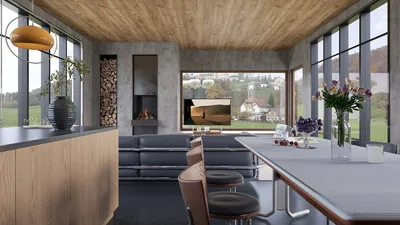


VMR Function Hall is designed to be a versatile space, featuring ample ceiling height, a well-structured layout, and a neutral design. However, its effectiveness relies on our ability to smartly configure the space, adjust lighting, and fine-tune acoustics for various events. I consider the hall a flexible canvas, where movable partitions, layered lighting, and diverse furniture arrangements serve as tools to create optimal sightlines, efficient movement, and a vibrant atmosphere. In multi-functional environments, lighting can enhance the perceived space by as much as 30% through techniques like ceiling washing and vertical light placement. When paired with adaptable seating, the venue can seamlessly adjust to changing needs. The WELL v2 Lighting standards suggest keeping lighting levels at 200–300 lux for audience seating and 500 lux for task areas to lessen visual fatigue and facilitate navigation, particularly during quick transitions (source: v2.wellcertified.com). Furthermore, research from Steelcase highlights that spaces attuned to specific tasks can significantly boost perceived productivity, emphasizing the importance of tailored environments for conferencing versus dining (source: steelcase.com/research).
In planning layouts, I prioritize comfort and capacity over mere headcount. The International WELL Building Institute underlines the importance of minimizing glare and ensuring even light distribution to promote effective facial recognition and comfort—this is essential for networking functions. Additionally, insights from Gensler reveal that offering choice and diversity correlates with improved performance; in event settings, this translates to creating distinct zones within the hall: tranquil areas for sponsors, collaborative lounges, and clear routes to facilities and exits (gensler.com/research). In practice, I designate 35–40% of the floor area for circulation and activity zones during large receptions, adjusting to 25–30% for formats like theater or classroom, where density and sightlines are paramount.
Adaptive Layout Strategies for Different Event Types
I categorize the use of VMR hall into five prevalent configurations: banquet, theater, classroom, expo, and hybrid. Each of these modes requires different spatial dynamics and ergonomic considerations.
- For table sizes, I favor 60-inch rounds to enhance proximity and conversation, while 72-inch rounds, although accommodating more guests, can detract from intimacy and service efficiency.
- Aisle dimensions should maintain a minimum of 1.5 m for main service aisles and 1.2 m for secondary routes; for plated service, main aisles should be expanded to 1.8 m.
- The distance from the front table edge to the stage should not be less than 1.5 times the stage height to facilitate clear vertical sightlines.
- Lighting should be set between 150–200 lux for general ambiance, utilizing 2700–3000K warm whites, complemented by 300–500 lux on centerpieces to create visual focus without glare.
- Maintain sightlines that follow a vertical viewing angle of 12–14° towards screens or stages, with riser heights set at 150–180 mm to keep views unobstructed in deeper spaces.
- Seat spacing should be 900–1000 mm from front to back to facilitate comfort and egress during sessions lasting over 60 minutes.
- For lighting, aim for 100–150 lux house light and 500–700 lux on stage; manage glare with wall grazing and shielded downlights according to IES guidelines (ies.org/standards).
- Acoustically, strive for a reverberation time (RT60) of 0.6–0.8 seconds for speech clarity, utilizing portable sound-absorbing drapery and wall panels.
- For desk widths, allow 600–750 mm per person, with aisles of 1,800 mm every 6–8 rows for easy access.
- Target approximately 500 lux of task lighting on surfaces in line with WELL v2 guidelines, employing indirect uplighting and glare-free task lighting at instructors’ stations.
- Ergonomically, select chairs with lumbar support and a 100–110° recline to minimize fatigue during longer sessions.
- Create a booth layout of 3 m modules for clean organization, ensuring 2.4–3 m aisles for two-way traffic that accommodates strollers or wheelchairs.
- Provide power/data access through floor boxes on a 6 m grid while allowing extra capacity for pop-up demonstrations.
- Enhance wayfinding with high-contrast graphics and 300–400 lux vertical lighting to make signs stand out.
- Designate a 2 m wide technical corridor for AV equipment, cable routing, and camera placement.
- Implement soft partitions and staggered seating clusters to create acoustic privacy. Utilizing heavy drapes (500–700 g/m²) along with movable sound absorbers reduces noise bleed between areas.
- Design lounge areas with rugs, plants, and 3000K floor lamps to soften sound reflections and offer visual comfort.
Circulation, Zoning, and Crowd Comfort
Successful events are characterized by effortless movement. I design primary pathways with generous curves to naturally guide attendees among key areas—registration, bar, stage—avoiding disruptions to AV control lines. During receptions, I position food on the outer edges and drinks nearer to the center to create a balanced flow. For rapid layout adjustments, utilizing a room layout tool enables testing of aisle widths, escape routes, and sightlines before finalizing rentals: room layout tool.
Lighting Design: Layers, Color, and Visual Comfort
The lighting design consists of three essential layers: ambient, task, and accent. I maintain ambient light levels between 100–300 lux, varying according to the event's nature, and adjust the color temperature to match the mood—2700–3000K for social gatherings, 3500–4000K for educational settings, and 4000–4500K for exhibitions where color fidelity is crucial. Glare can significantly detract from attention, so I utilize shielded optics, wall washing to enhance brightness perception, and dimmable, flicker-free lighting solutions. The WELL v2 guidelines underscore the importance of considering melanopic light effects for daytime events; even in windowless halls, balanced vertical lighting and periods of cool-to-neutral color ranges are vital to help maintain alertness without harshness.
Acoustics: Clarity Without Deadness
Function halls often struggle with hard surfaces that reflect sound poorly. I employ a strategy of a 'soft perimeter, smart ceiling': utilizing perimeter drapes or felt panels to minimize flutter echoes, and strategically placed ceiling clouds over audience areas to enhance speech clarity. For speech-oriented events, I aim for an RT60 of 0.6–0.8 seconds, while a slightly longer duration is acceptable for amplified music to maintain energy levels. Placement of carpet or large rugs within seating clusters provides a noticeable improvement in consonant clarity for attendees seated at the back.
Color Psychology and Atmosphere
Color has a powerful influence on behavior. For networking settings, employing warmer neutrals and muted reds encourages conversation; for educational contexts, cooler neutrals with teal or green accents foster focus. An overview by Verywell Mind on color psychology indicates that blue is associated with tranquility and concentration, while red invokes arousal and urgency—valuable insights for stage backdrops or sponsor lounges (verywellmind.com/color-psychology). It's important to keep saturation in check; vibrant colors should act as accents rather than dominate the space.
Furniture, Ergonomics, and Human Factors
I compile three distinct furniture sets: lounge (soft seating plus side tables), task (ergonomic chairs in combination with narrow tables), and high-top (standing rounds and leaners). Seat heights range from 430–460 mm, while table heights sit at 710–740 mm for seated activities, and 1040–1080 mm for standing tasks, ensuring ergonomic comfort. For sessions lasting over 60 minutes, choosing chairs with lumbar support and breathable materials helps reduce fatigue. ADA-compliant seating should be positioned at varied sightlines to ensure accessibility, accompanied by stage ramps that have a slope of 1:12.
Material Selection and Sustainability
Choosing durable, low-VOC finishes is essential for quick turnarounds and maintaining good air quality. I emphasize the use of modular carpet tiles with high recycled content as well as vinyl-free wall coverings. For back-of-house areas, rubber flooring effectively absorbs impacts and minimizes noise. Reusable design components, such as aluminum frames with tension fabrics, significantly reduce waste across various events.
AV and Technology Integration
It is vital to integrate AV as a foundational element rather than an afterthought. I position power access along the designated technical corridor, ensure sufficient headroom for programmed lighting, and maintain Wi-Fi coverage that corresponds to the expected number of attendees (2.4/5 GHz with unique SSIDs for production). Conducting sightline assessments for screens at a minimum of 1.5 times the image height guarantees content remains clear and free of pixelation.
Staging, Back-of-House, and Turnover Speed
Effective turnover can determine profitability. I design corridors wide enough for carts, position chair storage nearby, and implement quick-release drapery systems. Modular stage sections of 1.2 x 2.4 m offer flexible shapes and expedited setups. Clear signage and taped floor plans backstage reduce confusion when transitioning from a classroom setting to a banquet-style configuration in under an hour.
Testing Layouts Before You Book Rentals
Refining seating arrangements, egress routes, and decorative elements with an interior layout planner allows for the avoidance of expensive mistakes. I simulate events of various scales, from VIP dinners to plenaries accommodating 400 guests, ensuring that we can lock down logistics and provide accurate quotes: interior layout planner.
FAQ
Q1. How many guests can VMR Function Hall accommodate in banquet vs. theater layouts?
A1. Based on 60-inch round tables and adequate service aisles, I estimate approximately 1.4–1.6 m² per guest. In a theater setting, expect around 0.7–0.9 m² per seat, with expansions possible for AV pathways and risers.
Q2. What lighting levels work best for conferences?
A2. It's advisable to maintain around 500 lux at presenting and registration tasks, while audience areas should be lit to 200–300 lux, integrating glare management and dimming options. These specifications align with the WELL v2 guidance for visual comfort.
Q3. How do you prevent echo and improve speech clarity?
A3. Incorporating perimeter drapes or sound-absorbing walls, strategic placement of ceiling clouds above seating, and using carpets or rugs in high-traffic zones can significantly enhance sound clarity. Targeting an RT60 of 0.6–0.8 seconds is crucial for speech-focused events.
Q4. What color palette suits networking events?
A4. Utilize warm whites at 2700–3000K in conjunction with warm neutrals and low-saturation reds to foster sociability. Limit vibrant hues to accent points on bars or stage backgrounds.
Q5. How wide should aisles be for accessibility?
A5. Ensure main aisles measure 1.5–1.8 m for service areas, with accessible widths of at least 900 mm to seating, and accommodate turning radii near the stage and bars.
Q6. Can the hall handle hybrid events with cameras and streaming?
A6. Absolutely. It’s key to reserve a 2 m technical corridor, allocate dedicated power for AV setups, and ensure camera locations are off major pathways. Provide reliable hardwired internet for stable broadcasts.
Q7. What’s the fastest way to switch from classroom to banquet?
A7. Use modular staging solutions, stackable chairs, and clearly labeled storage zones located close to the event area. Pre-set table linens and implement grid-based plans for efficient zoning and simultaneous workflows.
Q8. How do you size the stage for different programs?
A8. For panel discussions, I prefer a stage depth of 1.8 m with width of 0.8–1.0 m for each speaker. For keynote presentations featuring screens, allow for a stage depth of 2.4 m, plus additional space for lecterns and confidence monitors.
Q9. What materials hold up best under heavy turnover?
A9. I typically recommend modular carpet tiles made from high recycled content, durable low-VOC coatings, and tension-fabric scenic frames. These materials not only look sophisticated but also facilitate quick replacements while maximizing environmental sustainability.
Q10. How do you ensure comfortable seating for long sessions?
A10. Choose chairs equipped with lumbar support and breathable materials, maintaining a 100–110° recline. Offer occasional high-top tables to promote changes in posture during breaks.
Q11. How do you manage sponsor booths without crowding?
A11. Implement a 3 m booth grid combined with 2.4–3 m aisles, positioning anchor sponsors at strategic corners to draw traffic, and enhancing signage visibility through 300–400 lux vertical lighting.
Q12. What’s the recommended screen viewing distance?
A12. The minimum viewing distance should be approximately 1.5 times the height of the screen to ensure clarity and readability, with a maximum distance of 6 times the height to prevent legibility issues with small text.
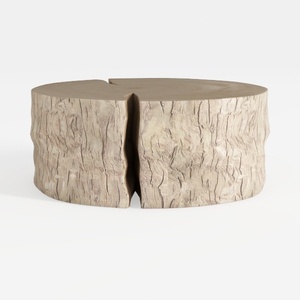
Rustic Solid Wood Split Log Coffee Table 3D Model
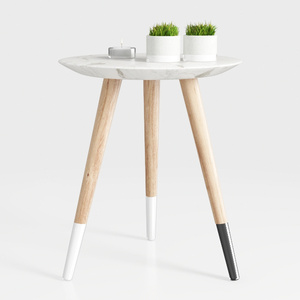
Modern Marble Top Solid Wood Legs Side End Table 3D Model
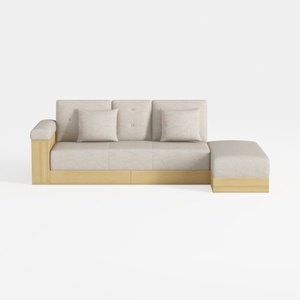
Minimalist Linen Solid Wood Sectional Sofa 3D Model
Homestyler is your go-to online home design platform that makes redesigning effortless! With its easy-to-use design tool, stunning 3D rendering, diverse design projects, and helpful DIY video tutorials, you can unleash your creativity and transform your space with confidence.
Дизайн сейчас бесплатно
































