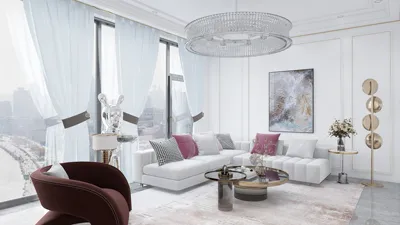


The lifestyles of tomorrow require spaces that are adaptable and routines that are seamless, yet current challenges include chaotic storage, disrupted flow, and a lack of views. Industry insights consistently emphasize that flexible multi-purpose rooms and access to natural light are crucial considerations in post-pandemic design. This trend is influencing every 3BHK design I encounter. In this context, the Lake Lucerne Powai 3BHK floor plan 5 6 functions as an efficient framework for daily life—a toolkit for spatial reasoning that is already anticipating future living patterns.
Layout Example 1: Spine Design with Scenic Views and Private Areas
Design Logic: A centralized living and dining spine draws in sunlight and breezes from the lake, with bedrooms divided into primary and secondary clusters to enhance separate work and rest environments.
Flow: Entryway → transitional foyer → living spine → dining area → kitchen access; secluded paths lead directly to bedrooms, avoiding any overlap with service routes.
Sightlines: Extended views towards the water serve like a user interface banner; side corridors minimize noise within the central living space.
Storage: An entry wall system combined with a tall pantry in the kitchen provides a hidden cache; additional linen storage near bathrooms and under-bed drawers for efficient storage.
Furniture Fit: A 3-seat sofa that measures 900-950 mm in depth, a dining table for 6-8 guests, and queen beds for children’s rooms; the master suite accommodates an 1800 mm bed along with a 2400 mm wardrobe system.
Verdict: This arrangement harmonizes openness with privacy; in five years, it will maintain a serene atmosphere supporting hybrid work, with daylight as a central organizer.
save pin
Layout Example 2: Adaptive Space as a Multifunctional Node
Design Logic: The third bedroom can transform into a versatile studio—functioning as a workspace during the day and a guest area at night—highlighting the shift towards multi-functional living in urban environments.
Flow: Entryway → living area → flexible space with sliding partitions → proximity to bath; the kitchen operates independently without hindering movement.
Sightlines: Semi-transparent partitions maintain the readability of the living space; the layout frames views like browser tabs for easy access.
Storage: Floor-to-ceiling wardrobes with shallow modules ensure quick retrieval; a wall bed storage area allows for additional accommodation during guest visits.
Furniture Fit: A 1400 mm desk paired with a modular sofa that can be rearranged to accommodate sleepers; compact media storage ensures a clear pathway of 900 mm.
Verdict: The multifunctional node enhances adaptability; over time, it accommodates shifting needs without requiring a complete redesign.
save pin
Layout Example 3: Efficient Wet-Core with Breezy Walkways
Design Logic: Combining baths and utility areas into a compact wet-core reduces plumbing runs and increases light access, a model for future utility requirements.
Flow: Service route: kitchen → utility → wet-core → back to dining; family flow remains straightforward: living → bedrooms → shared bathroom.
Sightlines: Cross-ventilation windows establish breezeways; the wet-core is discreetly placed for reduced visibility, keeping the space organized and efficient.
Storage: Vertical utility design, pull-out pantry systems, and towel storage near the core maintain order like a well-organized database.
Furniture Fit: A dining table measuring 1800-2000 mm, wardrobes with a depth of 600 mm, and children's desks at 1200 mm ensure there are no obstacles in movement pathways.
Verdict: Consolidated services make maintenance unobtrusive; after five years, this design remains an effective engine for smooth living.
save pin
## Concluding Insights
The Lake Lucerne Powai 3BHK floor plan 5 6 demonstrates how a home can function as an intuitive interface—areas as modules, movement as programming, and storage as memory. Variations like three-bedroom layouts and modular configurations illustrate that flexibility and light are essential assets. Long-term requirements such as designated work-from-home spaces and efficient wet-cores are inherently designed into these plans. From my perspective, the most intelligent homes of the future will not necessarily be larger, but will instead be more thoughtfully designed, similar to the versatility offered by tools like Homestyler.
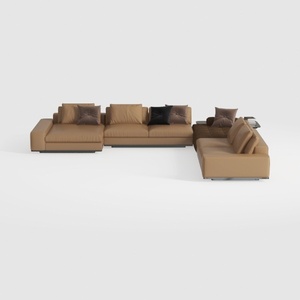

Modern Brown Leather U Shaped Sectional Sofa with Throw Pillows 3D Model
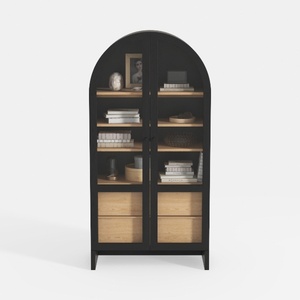
Modern Black Oak Arched Glass Display Cabinet 3D Model
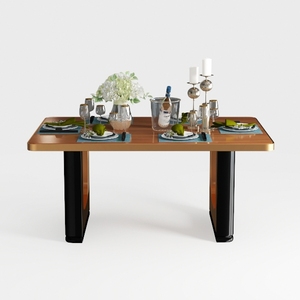
Large Luxury Office Desk, Live Edge Color River
Homestyler is an outstanding online home design platform that empowers you to create stunning interiors with its easy-to-use design tool. Enjoy realistic 3D renderings, explore diverse design projects, and enhance your skills through engaging video tutorials. Transform your vision into reality effortlessly!
立即免费设计
































