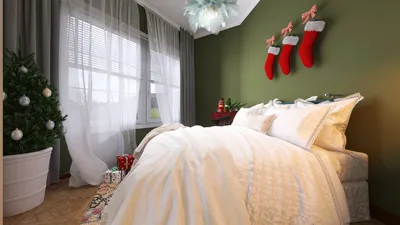


A girl's bedroom undergoes rapid transformations—from whimsical daytime slumbers to serious late-night study marathons—making it essential for the bed to embody comfort, functionality, and individual style throughout different life stages. My approach to bedroom design prioritizes adaptability, incorporating versatile bed frames, layered textiles, and healthy lighting strategies to ensure restful sleep and enduring aesthetics, with tools like Homestyler facilitating dynamic layouts.
Designing for Healthy Sleep and Development
Quality sleep begins with optimal lighting and ergonomic arrangements. The WELL Building Standard emphasizes circadian-friendly lighting, advocating for suitable daytime illumination and diminished nighttime glare, which is vital for maintaining melatonin production. I often utilize guidelines from the Illuminating Engineering Society (IES): ambient lighting should be dimmable, and task lighting can range between 300 to 500 lux, promoting smooth transitions from playtime to winding down. Research by Steelcase on learning spaces indicates that comfort and lighting have a direct impact on concentration and mood, which I frequently observe in rooms tailored for teens, where late-night study sessions thrive under well-considered lighting and supporting mattress structures.
Age-Responsive Bed Concepts
Bed options evolve from toddler years to high school, reflecting safety, development, and independence. For toddlers, I recommend low-profile beds with rounded edges and cushioned headboards to ensure secure transitions. Children in elementary school benefit from daybeds featuring trundles for sleepovers without occupying too much floor area. As children approach middle school, lofted or elevated beds create additional desk space beneath, maximizing room for hobbies. Teenagers typically prefer platform beds with built-in storage drawers, comfortable upholstered headboards ideal for reading, and larger queen-size beds which support healthy sleep.
Toddler to Early Years: Soft Forms and Safe Heights
Bed designs close to the floor reduce fall risks while fostering independence. I lean towards slat bases that enhance airflow and recommend medium-firm mattresses to support spinal health. Rounded shapes, performance fabrics, and stain-resistant materials simplify upkeep, while machine-washable cotton duvets and hypoallergenic bedding reduce allergens. Utilizing a warm-neutral color palette; insights from Verywell Mind indicate that calming shades like light blues and subdued greens can effectively enhance relaxation, complementing soothing bedtime rituals.
Elementary School: Daybeds, Trundles, and Storage
Daybeds facilitate a multifunctional space for lounging, studying, and sleeping; including a trundle can accommodate guests or growth spurts. Incorporate storage drawers underneath for seasonal items. Reading pillows paired with a supportive upholstered headboard promote better posture during evening reading. Consistency in ambient lighting with a dimmable ceiling fixture and two task lamps—one beside the bed and one at the desk—should align with IES guidelines to maintain approximately 300–500 lux.
Pre-Teen: Loft Beds and Hobby-Friendly Layouts
Loft beds optimize use of space, particularly in compact areas. A small desk installed beneath, with proper cable management, keeps the area tidy. Using a layout simulation tool, like Homestyler, allows for effective visualization of clearance and ladder placement before buying. Acoustic panels or soft furnishings under the loft can help lessen noise from music practice or gaming.
Teen Rooms: Elevated Comfort and Study Support
Teenagers often adjust their sleep routines to later hours, rendering layered lighting crucial: bedside lamps should emit warm light (2700–3000K) for pre-sleep relaxation, while cooler task lights (3500–4000K) aid focus during study sessions, complemented by blackout curtains to prevent disruptive morning light. Ensure the mattress remains high-quality and breathable; an upholstered headboard with lumbar support pillows enhances reading experiences. Provide accessible power outlets near the bed, but encourage designated phone parking spots away from the sleeping area to limit late-night screen exposure. Steelcase's studies emphasize the importance of ergonomic seating, hinting that a well-configured bed can prevent neck and shoulder discomfort during late-night reading or laptop use.
Color Psychology and Bed Styling
Color significantly influences mood, but it's the thoughtful application of layers that personalizes a space. Soft pastels and muted colors create a peaceful environment; brighter tones, such as coral or sunflower, work best as removable accessories like throw pillows or artwork. According to Verywell Mind's research, incorporating blue and green hues fosters tranquility and focus. I suggest using more vibrant shades for decor items to maintain restful areas free from overstimulation. Additionally, tactile variety is essential; fabrics like bouclé, washed linen, and quilted cotton add comfort without overwhelming visual styles.
Materials: Durability, Maintenance, and Health
Selecting robust performance textiles for bed frames and duvets ensures longevity against spills and makeup. Solid wood or powder-coated metal structures provide reliable support throughout growth stages. For allergy sufferers, I recommend using encased hypoallergenic bedding, which should be laundered weekly. Opt for natural fibers such as cotton or linen blends to balance comfort and durability. To promote sustainability, consider frames made from FSC-certified wood and textiles that are OEKO-TEX certified.
Storage-Integrated Beds
Platform beds equipped with drawers or lift-up bases help maintain tidy floors and orderly closets. I strategize storage ratios at around 60% concealed (like bins or drawers) to 40% open (for displaying personal items). In limited spaces, a captain's bed with deeper drawers and a slender nightstand can aid in circulation.
Headboards: Comfort, Scale, and Personality
The height of headboards should seem proportional—usually 36-54 inches for twin/full beds and 48-60 inches for queen sizes, depending on the ceiling height and pillow placement. Channel-tufted or panel-upholstered designs provide extra support while remaining streamlined. For a minimalist aesthetic, wooden slat headboards offer rhythm and warmth; arched options bring softness and a welcoming touch to playful spaces.
Canopies and Four-Poster Beds
For a dramatic effect, lightweight canopies or modern four-poster beds serve as fashionable focal points. Choose sheer canopy fabrics to prevent overheating and minimize dust accumulation. In tighter spaces, select a low-profile metal frame to keep a light visual presence, finishing off with a low bench at the base to provide balance.
Lighting Around the Bed
Installing wall sconces near the bed frees up nightstand space and mitigates glare with proper angling. Dimmers are essential—they allow children to regulate the ambient energy levels between tasks and rest. I aim for an eco-friendly layered lighting scheme: combining ambient light, task illumination of approximately 300–500 lux, and softer accents; a plug-in wall sconce that features articulating arms adapts easily as reading habits evolve.
Acoustics and Quiet Zones
Incorporating soft rugs, padded headboards, and drapery can dampen reverberation, enhancing the peaceful atmosphere. For teens who play musical instruments, adhesive acoustic panels or fabric-covered boards help absorb high-frequency sounds while ensuring the room remains functional and inviting.
Space Planning Essentials
For a seamless flow, it is crucial to maintain at least 24-30 inches around the bed edges for unhindered movement. Nightstands should align with mattress height to promote ergonomic reach. When faced with spatial constraints, positioning a daybed against a long wall can create additional floor space for activities or studying. Leveraging an interior layout planner allows for testing furniture arrangements suited to changing needs, especially when transitioning from a twin to full-size bed or incorporating a desk under a loft.
Styling the Bed: Layers That Grow
Begin with breathable sheets, layering on a lightweight quilt and a duvet for seasonal comfort. Utilize two sets of pillows: sleeping pillows for optimal support and decorative shams that can be stored away during the night. A throw blanket at the foot of the bed can introduce texture and a quick pop of color as preferences evolve.
Safety and Wellness Details
For younger children, secure tall furniture and install cordless window coverings. Choose dimmable LED bulbs in the 2700-3000K range to create a warm evening atmosphere. Manage electrical cords to keep them clear of ladder paths in lofted setups. A compact air purifier can enhance sleep quality for allergy-prone youngsters, especially in textural fabrics that may trap pet dander.
Budget and Longevity
Prioritize investments in bed frames and mattresses—they establish a strong foundation. Headboards, bedding, and decorative items can change as style preferences shift. Considering anticipated growth spurts, opting for a full or queen-sized bed sooner may strike a balance between function and aesthetics, letting accessories reflect distinct personalities.
FAQ
For early childhood and compact spaces, twin beds are ideal; full beds cater best to pre-teens and teenagers who value space for reading or relaxing; opt for queen beds for taller teens or multifunctional rooms.
Yes, with sturdy guardrails, reliable ladders, and unobstructed floor areas. Proper management of cords, combined with ensuring the bed is positioned away from ceiling fans, is crucial. Utilize design visualization tools like Homestyler before finalizing any layouts.
Implement layered lighting: ambient light along with task-oriented illumination at approximately 300-500 lux in reading zones per IES guidelines, complemented by warm accent lights to guide users toward restful moments.
Calming colors like soft blues, muted greens, and neutral tones lower arousal levels, while bolder accents should be reserved for decor items to prevent disrupting peaceful rest areas.
Choose performance-oriented and stain-resistant materials or durable cotton-linen blends. For allergy sufferers, opt for tightly woven, easy-to-clean fabrics and maintain regular vacuuming.
Certainly! Daybeds serve dual functions as seating and sleeping arrangements, and trundles can provide extra guest accommodations without sacrificing floor space.
Provide a task light that is adjustable and set at 3500–4000K for effective focus, along with an upholstered headboard to support lumbar health, and create a designated study space to discourage laptop use in bed.
Aim for roughly 60% closed storage and 40% open display. Options like under-bed drawers or lift-up platforms can help manage everyday clutter.
Yes—select a lightweight frame coupled with sheer fabric, ensuring additional furniture remains low-profile to achieve a sense of openness with at least 24-30 inches clearance around beds.
Maintain washable duvets, hypoallergenic inserts, and routinely change sheets weekly. Opt for durable textiles that allow breathability like cotton percale or linen blends.
Utilize a simulation tool to evaluate potential furniture configurations—from twin to full beds, adding desks, or reassessing storage—before committing to heavy movements.

Anmytek 3 Drawer Dresser for Bedroom, Rattan Dress
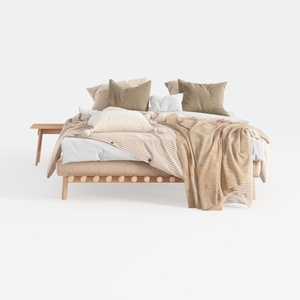

Meridian Furniture GenesisTan-T Genesis Collection
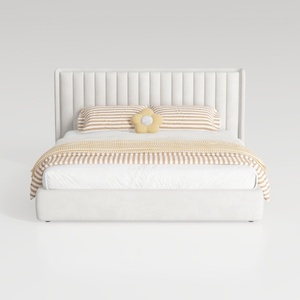
VELOCAVA King Size Lift-Up Storage Bed, Linen Ligh
Homestyler is your go-to online home design platform! Its user-friendly design tool allows you to create stunning layouts, while its vast collection of 3D renderings and DIY video tutorials inspires and guides you. Transform your space with ease and creativity—perfect for both beginners and seasoned designers!
Design Now for FREE
































