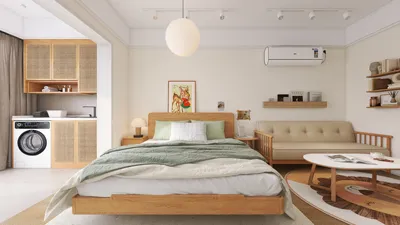


As we look towards the future, renters face various challenges such as noise, storage debts, and disjointed routines. I see a 750 square foot, two-bedroom floor plan as the initial framework for creating a more serene living environment. Reports from the AIA indicate that smaller living spaces are seeing increased demand for renovations, and this trend is one I choose to embrace. I envision this space as a realm of spatial reasoning—as an adaptable planner for daily habits—where dimensions translate into purpose and inconveniences are resolved right at the entrance.
Split-Edge Suite + Central Core
The design concept features two bedrooms positioned at each end, with a living space and kitchen at the center, allowing for privacy while maintaining a communal atmosphere—important for future roommates, those working from home, and families with flexible schedules.
Flow: Entry → coat area → kitchen island → main living area → left bedroom → right bedroom → bathroom loop; there are no dead ends, just clear instruction sequences.
Sightlines are designed so that the front door immediately opens to the island and window wall; the bedrooms provide layers of secondary space, maintaining a clear hierarchy between public brightness and private tranquility.
Storage solutions include perimeter cabinetry, shallow hall closets for quick access, and under-bed drawers offering deeper storage—structured like levels of memory.
Furniture can be arranged with a 72–78" sofa, a 36" island, a queen bed in the primary room, and a full bed in the second; the tolerances are tight like an API, ensuring no interference with doors or pathways.
The conclusion is that this core-centered design is durable: workspaces can adapt, guests can settle in without a fuss, and the upcoming five years feel pre-planned rather than improvised, reminiscent of an efficient system like Homestyler.
save pin
Diagonal Sightline Living + Pocket Bedrooms
When it comes to design logic, an angled living wall creates an expansive diagonal view, making a 750 sf area feel larger; pocket bedrooms are discreetly placed behind soundproof barriers, enhancing future multi-purpose usage.
Flow: Entry → diagonal living axis → balcony/large window → pocket bedroom clusters → bathroom at the end; this movement is based on vectors, ensuring efficiency.
The primary sightline extends from the door to the natural light source; secondary views skim the kitchen while maintaining a clean space beneath the visible horizon.
Storage features diagonal built-ins, a tall pantry, and recesses in the headboard—organized for quick access like a well-indexed filing system.
The ideal furniture arrangement includes a compact sectional (90" max) following the angle, a round table measuring 36–40", and sliding door wardrobes to allow for smooth movement through the space.
The overall assessment is that this diagonal approach provides visual clarity; future devices and screens can integrate seamlessly without consuming space.
save pin
Rail-Style Layout with Multipurpose Thresholds
This design logic aligns rooms similarly to train tracks—entryway, kitchen, living area, and two bedrooms—where each threshold serves multiple purposes: work nook, storage area, stroller space.
Flow: A linear sequence with overtaking lanes: passageways hug one side while functions cluster on the other, preventing any overlap or delays.
Sightlines provide a long view to the brightest window; cross-sight lines break at transitions to create navigable layers, much like browser tabs.
The storage system is continuous—upper cabinets for quick access, bench bases for bulk storage, and a central closet serving as a repository for shared items.
A compact furniture setup includes a sleek console, wall-mounted media, and 30" desk niches at the transitions, ensuring beds are centered to maintain walkways of 30–36".
This rail-style layout adapts well to shifting routines—be it school mornings, remote meetings, or late-night gatherings—without causing unnecessary delays.
save pin
## Final Takeaway
A two-bedroom space of 750 square feet can function like an operating system, where flow, sightlines, and storage are treated as integral components rather than mere aesthetics. Options such as compact two-bedroom units, strategic small apartment floor planning, and narrow living room layouts all emphasize intentionality over sheer size. From my perspective, the homes of tomorrow won’t be defined by their size but by their thoughtful designs; through my work, I've observed that even small spatial choices can significantly influence how clients experience daily life. Leveraging tools like Homestyler can help visualize and optimize these design decisions.

Minimalist Solid Wood Freestanding Coat Rack 3D Model
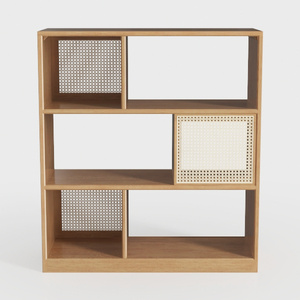
Minimalist Japandi Solid Wood Rattan Bookshelf 3D Model

Rustic Solid Wood Free Standing Wall Shelf Decorative Display 3D Model
Homestyler is an outstanding tool for anyone looking to elevate their home design experience. With its user-friendly online design platform, stunning 3D renderings, an abundance of design projects, and helpful DIY video tutorials, you can effortlessly create your dream space, regardless of your skill level!
立即免费设计
































