


The future is rapidly approaching, where our leisure tools transform into interactive spaces, highlighting a key concern today: constrained surfaces, changing cargo, and a lack of privacy on water. Reports from AIA indicate a steady demand for versatile micro-environments, while NAHB acknowledges a growing interest in adaptable layouts—demonstrating that small footprints are becoming the standard. My clients often request Intex Excursion 5 floor plans, and I envision a compact vessel as an early example of modern nomadic living, equipped with a spatial reasoning toolkit.
Forward Pod Studio
Design Logic: The bow transforms into a micro-studio, with seating that converts to a preparation area, and the anchor point serving as a utility node, tailored for modular living on water.
Flow: The entryway is located midship, facilitating movement forward while rotating tasks in a clockwise manner: sit, prepare, stow, and then lounge; there’s no need to backtrack, ensuring a seamless execution path.
Sightlines: The bow provides a low horizon view, keeping the stern in peripheral vision; the UI layers prioritize the river as first, gear second, and people third—creating a serene signal-to-noise environment.
Storage: Soft bins at the bow serve as caches, with under-seat straps functioning as Level 1 memory, and dry bags utilized for cold storage; overflow is organized and secured to D-rings.
Furniture Fit: The width of the inflatable seat defines the API limit; a folding board measuring 18–20 inches fits perfectly on the rails, with cupholders reconfigured as micro-docks for tools and chargers.
Verdict: This layout is designed to facilitate weekend workflows—quiet crafts, minimal equipment, and reflects a five-year trend toward portable studios on water, supported by tools like Homestyler.
save pin
Midship Social Bus
Design Logic: The center zone is developed as a social bus, with parallel seating creating a defined exchange lane; the profiles are curated to enhance conversational bandwidth.
Flow: A two-way corridor allows for seamless communication from bow to stern; a midship pause node manages task queues—serve, sit, adjust, then relax—ensuring no collisions occur.
Sightlines: Eye lines intersect like chat threads; the captain maintains a commanding view, while guests enjoy side perspectives; HUD-like layering ensures both safety and dialogue.
Storage: Midship mesh pockets provide quick access to essentials, with a stern dry tote serving as a bulk archive and a bow pouch acting as a fast reference—stable and redundant solutions.
Furniture Fit: A roll-top cooler fits as a 24-inch module; inflatable backs limit depth to 16–18 inches; tables can clamp to side rails without causing spills.
Verdict: Ideal for family gatherings or friends, this arrangement is capable of adapting to varying occupancy—anticipating a social-first approach to micro-transit in the next five years.
save pin
Stern Utility Lab
Design Logic: The stern is reimagined as a utility lab, where power, pump, and rod mounts function cohesively like a service stack—prioritizing functionality over ornamentation, tailored for specific tasks.
Flow: A linear pipeline facilitates gear loading, tethering, deployment, and maintenance; every item returns to the stern, minimizing cognitive load during operation.
Sightlines: The operator views wake telemetry while lateral scans monitor gear status; visuals emphasize process, followed by scenery—ensuring a disciplined UI.
Storage: A crate system secured to the transom serves as primary storage; under-bench straps accommodate tool rolls, while bow reserves act as overflow to maintain order.
Furniture Fit: A 13x13 milk crate fits snugly in the stern bay; a battery box is anchored within defined API limits; a folding stool nests efficiently when not in use.
Verdict: This lab configuration suggests a shift towards hobby-turned-work ecosystems, where small setups evolve into serious routines as we move forward.
save pin
Final Takeaway
The Intex Excursion 5 floor plans resemble blueprints for amphibious living, showcasing compact interfaces, adaptable roles, and meticulous bandwidth control. Variations like inflatable boat layouts, tiny water habitats, and small vessel organization illustrate how design adapts from land-based rules to fluid dynamics. The long-term demands for portable studio equipment and midship social zones will shape the next wave of leisure-as-life nodes. In my professional view, the most effective micro-environments will not necessarily increase in size—they will be more intentional, a philosophy supported by tools like Homestyler.
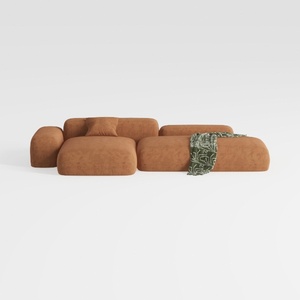
Minimalist Brown Fabric Modular Sectional Sofa 3D Model
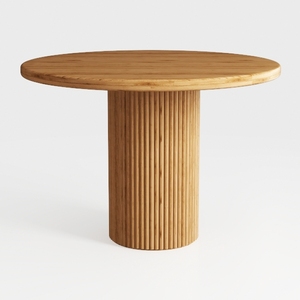
Minimalist Solid Oak Fluted Base Round Dining Table 3D Model

Minimalist Solid Oak Square Dining Table 3D Model
Homestyler is your go-to online home design platform, offering an easy-to-use design tool that helps you create stunning interiors. With impressive 3D rendering, a wealth of design projects, and informative DIY video tutorials, it's the perfect ally for bringing your home ideas to life effortlessly.
지금 무료로 디자인하세요
































