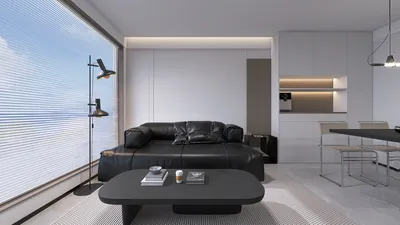


For a long time, I've utilized wall paneling to establish a strong foundation in living rooms. This design choice not only introduces proportion and warmth but also enhances the acoustic quality of the space without overwhelming it. When implemented effectively, panels serve as the backbone of a room—helping to align furniture, directing light, and offering a tactile richness that standard paint cannot achieve, especially when paired with tools like Homestyler for layout adjustments.
The importance of acoustic comfort in residential areas is often underestimated. According to findings from Steelcase, a striking 70% of workers identify noise as a leading distraction; applying this to our home environments explains the necessity of cushioning hard surfaces. Additionally, the WELL v2 standard highlights that controlling sound and ensuring material health are pivotal aspects of indoor environmental quality, which can be strategically addressed through the choice of wall paneling and their supportive materials. Intelligent panel designs, absorbent backings, and precise joint detailing contribute not only to aesthetic appeal but also to minimizing noise and reverberation in open-concept spaces.
Light plays a crucial role as well. The Illuminating Engineering Society (IES) recommends a diversified approach to lighting and careful management of glare; wall panels can significantly assist in this regard by shaping shadows, diminishing sharp reflections, and elegantly framing sconces or decorative lighting. In my own designs, I often utilize vertical ribbing combined with 2700–3000K ambient lighting to soften night-time contrasts while maintaining a fresh appearance during the day. Additionally, color psychology is vital: an overview by Verywell Mind indicates that blues and greens promote tranquility, while warmer tones provide energy—strategically selecting panel colors and finishes can set the desired mood without needing to repaint entire spaces.
Classic Proportions: Raised Panels With Balance
Incorporating raised panel wainscoting instantly adds structure to a room. For spaces with standard 8 to 9-foot ceilings, a chair rail should typically be positioned between 32 to 36 inches high. It's effective to design panels that mirror window mullion spacing to create visual rhythm throughout the room. Using a satin finish on the panels while opting for eggshell on the field wall not only introduces subtle depth but also guarantees a cohesive look; high-gloss finishes should be avoided unless a more pronounced reflection is desired. Enhancing a paneled gallery wall with slim picture lights can elevate artwork while minimizing glare.
Contemporary Minimalism: Flat Panels and Shadow Reveals
Opting for flat, large-format panels with shadow gaps ranging from 6 to 12 mm results in a sophisticated and modern aesthetic. These panels can effectively conceal minor wall imperfections and offer clean lines in contemporary living areas. Often, I align these reveals horizontally at the height of the seating area to harmonize with the accompanying furniture. For layout considerations—particularly in compact apartments—utilizing a room layout tool like Homestyler can be invaluable for visualizing sightlines and the spatial relationship between furniture and paneling.
Texture That Calms: Slatted and Ribbed Profiles
Timber slats, whether oak, ash, or walnut, placed on acoustic backing provide not just warmth but also measurable sound absorption. It’s essential to maintain uniform spacing—generally between 15 to 30 mm—that is terminated with either metal or wooden trim for sharp detailing. I prefer to align slats vertically in narrower rooms to accentuate height, while horizontal placements in wider rooms create an illusion of expanse.
Statement Walls: Geometric Panelling for Focus
Geometric patterns such as diagonal, chevron, or grid paneling can act as a focal point within a room. Ideally positioned behind a sofa or media unit, this technique lessens visual clutter. For walls with mounted screens, selecting mid-sheen finishes is advisable to mitigate hotspots. Incorporating LED backlighting within shallow recesses not only adds depth but also ensures a cozy 2700–3000K ambience for evening relaxation, especially when dimmed to 10-20% for movie nights.
Natural Materials: Wood Species and Finishes
The choice of wood species is pivotal. For a classic appeal, oak is timeless and robust; ash lends a lighter, modern feel; and walnut introduces a dramatic contrast. Employing hardwax oils results in a matte, reparable finish, while waterborne varnishes provide added durability while maintaining lower VOC levels. It’s critical to match the undertones of panels with the flooring to avoid clashing—pairing cool-toned woods with cool floors and warm tones with warm finishes enhances cohesion.
Painted Elegance: Color-Blocked Panelling
The right paint can redefine the character of your panels. Rich greens, slate blues, or warm taupes create an enveloping sense without diminishing room size, provided that trim and ceilings are kept lighter. For harmonious color schemes, align panel colors with textiles: implement a 60–30–10 ratio (base, secondary, and accent) across walls, upholstery, and decor items to ensure visual unity.
Integrated Storage: Panel Systems With Hidden Function
Paneling can effectively conceal shallow cabinets, audio-visual conduits, and storage niches. The use of push-latch doors with tight reveals, aligning panel joints with door seams, enhances the overall aesthetic. Additionally, incorporating ventilation grills within lower panels allows concealed equipment to function optimally without disrupting the design flow. Felt-backed panels behind open shelving can dampen noise, contributing to a quieter living space.
Acoustic Strategy: Quiet Without Heavy Drapes
For those favoring airy window designs, wall panels can help manage acoustic properties. By combining ribbed timber with mineral wool backing or using perforated MDF with acoustical fleece, one can achieve a balanced absorption to diffusion, where slats and shallow battens disperse mid-high frequencies effectively, enhancing conversation clarity without creating a lifeless atmosphere.
Lighting Integration: Sconces, Grazing, and Cove
Panels beautifully frame light within a room. Vertical slats are particularly favorable for grazing light applications, while flat panels work well with wall-washer effects. By placing sconces within the stiles, you can effectively hide wiring while guaranteeing uniform spacing. Maintaining gentle luminance ratios reduces glare, and using dim-to-warm drivers ensures comfort in evening settings.
Sustainable Choices: Finish With Responsibility
Prioritize sustainable materials such as FSC-certified wood, low-VOC glues, and waterborne finishes. Choosing health-conscious materials aligns with WELL v2 recommendations focusing on emissions and overall well-being. Consider using reconstituted veneers for consistent grain patterns with less waste, and investigate recycled PET backings that enhance acoustic quality while contributing to sustainability.
Proportion and Rhythm: Getting the Grids Right
Incorporate 1:1 or 2:3 panel ratios for a serene aesthetic balance. In elongated rooms, group panels into repeating bays with subtle hierarchy—using thicker primary stiles contrasted with thinner secondary ones to guide movement and establish sightlines. Aligning panel seams with door frames and window mullions reduces visual distractions, creating a cohesive look.
Fireplaces and Media Walls: Heat, Cables, and Clean Lines
Ensure that clearances around fireplaces comply with manufacturer specifications, utilizing heat-resistant finishes where required. Strategically plan cable paths with removable access panels and vented plinths for safety and accessibility. Opting for matte or satin finishes behind TVs prevents mirror-like reflections, enhancing the viewing experience.
Small Living Rooms: Slim Profiles, Light Tones
In smaller living areas, selecting slender battens or thin slats can help maintain an open feel. Lighter stains or soft greiges can give the illusion of increased width, while vertical detailing enhances perceived height. Furthermore, integrating mirrors with paneled frames can add depth without the appearance of overcrowding.
Heritage Homes: Respecting Character
When undertaking restoration projects, ensure that stile widths, rail heights, and molding profiles match the existing elements. Painting new panels in complementary neutrals can rejuvenate the space, while using lighting to shape mood rather than drastic color changes can retain the historical integrity of the home. New paneling should complement the original features, creating a layered yet cohesive narrative.
Installation Notes: Joints, Sequence, and Care
Begin installations with a level datum line. Use biscuits or loose tenons to join the panels for precise alignment, and minimize caulk so that clean shadow gaps are effectively highlighted. Protect the back sides of panels against moisture, and ensure that timber is conditioned before installation. For maintenance, clean with gentle cloths, and remember to periodically re-oil oiled finishes to maintain their quality.
Design Workflow: Visualizing and Testing
Create mock-ups of panel dimensions using painter’s tape to evaluate their proportions in the actual space. For more significant alterations—especially concerning built-ins and seating arrangements—a quick interior layout planner tool like Homestyler can help confirm the functionality of traffic flow and sightlines.
For further insights on acoustic, lighting, and wellness standards, refer to the guidelines provided by WELL v2 and IES lighting principles, along with color psychology materials from Verywell Mind. These frameworks ensure that the design remains not only beautiful but also comfortable over time.
FAQ
Q1: Do wall panels really improve acoustics in a living room?
A: Definitely. Using slatted timber with acoustic backing, perforated MDF with fleece, or fabric-wrapped panels can notably reduce reverberation and enhance speech clarity, particularly in open-plan areas with hard surfaces.
Q2: What panel height works best for standard ceilings?
A: For wainscoting, a height of 32 to 36 inches usually provides balance in rooms with 8 to 9-foot ceilings. In contrast, full-height panels are ideal for taller spaces or when aiming for a unified design approach.
Q3: Which lighting pairs well with panelling?
A: It's best to use 2700–3000K ambient lighting, adding sconces for both task and accent lighting, and considering the grazing effect on ribbed surfaces. Having dimmers can also ensure flexible lighting comfort in the evenings.
Q4: Are dark panel colors going to make my room feel smaller?
A: While darker tones can create an intimate atmosphere, they won't necessarily diminish the spatial perception if the ceilings and trims remain light while furniture fabrics complement the overall palette.
Q5: How do I choose wood species for panels?
A: For timeless durability, choose oak; for a lighter, contemporary grain, opt for ash; and for a rich contrast, walnut is an excellent choice. Ensure that the undertones match with flooring and primary furniture pieces.
Q6: Can panels hide cables and storage?
A: Certainly. Panels can incorporate push-latch doors, cable chases, and vented plinths seamlessly. Aligning panel seams with hidden access points helps in achieving a clean overall appearance.
Q7: What finish is most practical for families?
A: Hardwax oils offer a reparable, matte finish; waterborne varnishes provide durability with reduced VOC emissions. For cleanliness, a satin sheen can perfectly balance maintainability with minimal glare.
Q8: How do I maintain consistent panel proportions?
A: Utilize modular grids (1:1 or 2:3), ensure alignment with window mullions and door frames, and maintain uniform shadow gaps (6–12mm) to achieve crisp detailing.
Q9: Will panelling work in small living rooms?
A: Yes, indeed—selecting slim profiles, lighter finishes, and a vertical orientation can enhance height perception. Moreover, mirrors set within paneled frames conveniently add depth without causing clutter.
Q10: Is panelling compatible with fireplaces and TVs?
A: Yes, as long as heat clearances and cable pathways are managed properly. Selecting matte or satin finishes behind TVs can significantly reduce reflections, creating a better viewing experience.

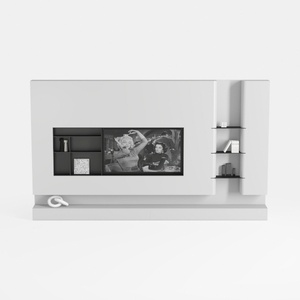
Black/White Wall Cabinet Suitable for Kitchens and
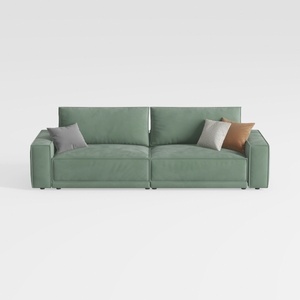
HIFIT 112" Sectional Couches for Living Room- Pull
Homestyler is a fantastic online home design platform that makes creating your dream spaces a breeze. With its user-friendly design tool, stunning 3D renderings, diverse design projects, and helpful DIY video tutorials, you’ll find everything you need to bring your interior ideas to life effortlessly!
Design Now for FREE
































