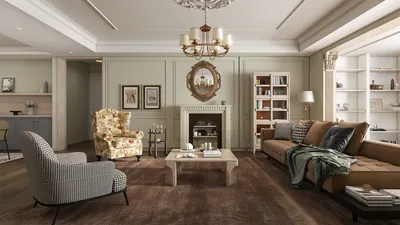


The Significance of Furniture Layout: More Important Than You Realize
Upon moving into my new apartment, I presumed that arranging furniture would be straightforward. However, I quickly discovered how simple it is for a cozy area to become cluttered, unbalanced, or even uncomfortable.
An effective furniture layout is not merely about fitting items into a space. It’s about crafting an environment that flows seamlessly, accommodates your daily activities, and invites you to enjoy your home.
Step 1: Begin with the Actual Room, Not Just the Floor Plan
The measurements might indicate your living area is 15 x 12 feet, but do they take into consideration door swings, outlets, or fixed installations like radiators?
Here’s the lesson I learned through experience:
You can draw this out on graph paper or utilize a floor planner such as Homestyler for a clearer visual representation of your layout.
save pin
Step 2: Establish Functional Zones Before Arranging Your Furniture
Instead of asking, 'Where should the couch go?', it's better to start with 'What activities will take place in this area?'
For instance, in my previous apartment, I recognized three primary zones within one open layout:
Once I delineated these zones, selecting and arranging furniture became more purposeful and straightforward.
Tip: Utilize painter’s tape on the floor or drag-and-drop software like Homestyler to define these zones before finalizing your furniture arrangement.
save pin
Step 3: Achieving Balance is Crucial
In my initial attempt, I placed all the hefty furniture on one side of the room, making the area appear visually off-balance and hard to navigate.
What proved to be more effective:
An ideal furniture layout should feel centered and proportional—without appearing overly symmetrical.
save pin
Step 4: Consider Traffic Flow and Movement
One of the most frequently neglected factors in layout design is human traffic flow. How individuals traverse your space can either create an open atmosphere or make it feel confined.
Here’s what worked effectively for me:
Sufficient circulation space enhances not only the visual appeal of your home but also the overall living experience.
save pin
Step 5: Center the Layout Around a Focal Point
Most rooms have a natural focal point, be it a fireplace, an expansive window, a TV area, or a captivating piece of art.
In my living space, I designed the layout around a gallery wall, arranging all seating to draw attention toward it. In bedrooms, the bed typically serves as the central visual element.
If your area lacks a defined focal point, create one. A tall plant, a bold mirror, or a media console can act as a gravitational center for your layout.
Step 6: Acknowledge the Influence of Lighting
Lighting can shape the mood of your space as effectively as your furniture does. It directs the eye, enhances balance, and contributes to an overall cohesive layout.
What I implemented:
Many design tools, including Homestyler, provide nighttime simulation features that allow you to see how your layout appears under various lighting conditions.
An Ideal Furniture Layout Shouldn't Be an Afterthought
Your furniture layout should never be an afterthought. It’s not just about fitting in furniture; it’s about designing how you use, move through, and relax in your home.
By defining zones, balancing visual weight, honing in on movement paths, and applying light judiciously, I transformed my awkward apartment into a space that functions beautifully.
Even if you're not a professional designer, the right methods and tools can assist you in creating a home that feels both stylish and personal.

If you're looking to transform your home effortlessly, Homestyler is your go-to online design platform. With a user-friendly design tool, stunning 3D renderings, and a wealth of DIY video tutorials, you can create and visualize your dream space without any prior experience.
تصميم الآن مجانا
































