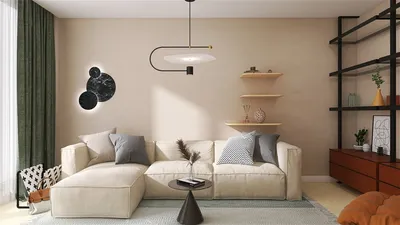


I have designed and constructed numerous homes where the dimensions and proportions of rooms contribute either to a serene atmosphere or disrupt it in subtle ways. While Vastu Shastra focuses on directional harmony and balanced measurements, I incorporate elements such as ergonomics, lighting, acoustics, and human behavior, ensuring that spaces intuitively support your everyday activities. The goal is not to impose strict guidelines but to appropriately size rooms based on your lifestyle, enhancing comfort and balance with thoughtful arrangements of light and materials. One effective way to visualize and implement these concepts is through the use of the Homestyler tool.
The concept of right-sizing starts with considering human needs and measurable comfort. According to WELL v2 standards, general ambient lighting should be between 300 to 500 lux, while for comfortable evening tasks in residential settings, a warm light color temperature around 2700 to 3000K is recommended. Misjudging these metrics could result in a bedroom feeling overly bright or restless. Research by Steelcase indicates that environments designed to foster focus and recuperation enhance overall wellbeing and productivity; these insights can easily adapt to home settings, where rooms designed for their intended purpose and lit accordingly feel more rejuvenating. I adjust room dimensions along with lighting and spatial flow so the scale aligns with the intended activities, often utilizing resources like Homestyler during this process.
Proportion is as critical as the square footage when designing spaces. Research from Gensler emphasizes that thoughtful space planning significantly boosts satisfaction levels in built environments. Within a home, respecting proportions concerning movement, furniture arrangement, and sightlines takes precedence over merely opting for the largest possible area available. For practical guidance, living rooms typically work best within a range of 180 to 300 square feet if seating and pathways are prioritized in the layout; in bedrooms, a balanced space generally spans 120 to 200 square feet, ensuring adequate space for the bed, wardrobe, and swing clearances while accounting for light and privacy. These references serve as starting points, and personal habits can fine-tune these dimensions with the aid of design tools like Homestyler.
Defining proportions for harmonious spaces is vital in home design.
Vastu principles advocate for aligning functions with their corresponding orientations: for instance, positioning entryways and living areas toward the north or east to enhance vitality, while heavier items should be allocated toward the southwest to foster stability. To this, I integrate spatial ratios, suggesting widths that facilitate natural furniture configurations without forcing single-file movement. A good rule of thumb is to maintain proportions between 1:1.2 and 1:1.6 for most living rooms. For elongated spaces, consider segmenting them into functional zones using rugs, varying light levels, and sound-absorbing elements.
Bedrooms thrive on calm, uniform proportions. It's important to align bed centers with balanced wall segments, avoiding door placements that disrupt sleeping pathways. In narrower rooms, low-profile storage solutions such as wardrobes and sliding doors should be utilized to maintain circulation clearance of 30 to 36 inches. Implementing wardrobe designs on the southwest wall can offer weight and stability; pairing this with a window orientation toward the east or north ensures natural light enhances the space.
Circulation paths, clearances, and logical layouts can significantly impact the perception and functionality of a room.
The lines of movement define whether a space feels tranquil. Aim for a 36-inch width for primary passageways, and allow 24 to 30 inches around seating or beds for secondary routes. Dining areas require about 42 to 48 inches behind chairs for ease of movement; kitchens function best with similar clearances between counters to accommodate multiple users. If you are adjusting room sizes during your planning phase, sketch out circulation first and then incorporate furniture, rather than the other way around.
When considering alternative layouts, using a room design simulator can help you explore ratios and walking paths before construction begins. A layout simulation tool allows you to test out seating arrangements, validate bed positioning, and optimize daylight access effectively, such as the Homestyler platform.
Lighting plays a crucial role in achieving harmony within a room. Levels of 200 to 300 lux are suitable for living areas; this should be increased to 300 to 500 lux in kitchens and home offices. Bedrooms should typically maintain ambient lighting levels between 150 and 250 lux with additional task lighting available for activities like reading. Using warm lighting around 2700 to 3000K in evening settings and neutral tones of 3500 to 4000K in workspaces prevents glare and enhances comfort. For comprehensive lighting strategies, WELL v2's guidelines offer excellent references for maintaining visual comfort throughout your home, with insights available on their WELL Light concept page.
Acoustic comfort and material choices significantly impact how a space feels.
Room dimensions greatly affect sound and echo. Generous, hard-surfaced rooms can amplify noise, while smaller rooms adorned with soft materials absorb sound, sometimes making things feel muffled. Balancing elements such as area rugs, upholstered furniture, bookshelves, and acoustic curtains can help manage acoustics. In kitchens, selecting durable materials that also absorb sound, like mineral-based countertops with matte finishes and wood accents, can create a more pleasant environment, especially if the kitchen opens up to the living space.
Color psychology also plays a crucial role in establishing the atmosphere of a room.
Colors can alter your perception of room sizes. Light neutrals and cool colors enhance the feeling of spaciousness in narrower rooms; deeper shades help ground larger areas. In bedrooms, soft neutral tones mixed with muted greens or blues promote tranquility. Social spaces, on the other hand, can embrace warmer hues such as peach-beige or clay, provided lighting and textures are thoughtfully managed to avoid overwhelming the senses. For further understanding of how color impacts mood, a visit to Verywell Mind’s color psychology overview can provide valuable insights.
When it comes to room-by-room size recommendations according to Vastu principles, the following guidelines can be applied.
A target size range of 180 to 300 square feet works effectively for family seating and circulation. Position primary seating toward the east or north to maximize exposure to natural light; arrange seats to maintain sightlines toward the entry. Maintain a clearance of 18 inches between the coffee table and the sofa, and ensure a clear pathway of 36 inches from the entry door to the main circulation route. In longer living rooms, consider segmenting into conversation and reading areas with layered lighting and distinct rug placements.
For bedrooms, a range of 120 to 200 square feet is suitable to accommodate a queen bed, nightstands, and wardrobe. Ensure the bed is positioned with the headboard against a solid wall, preferably oriented towards the south or west for stability; windows should be placed to the east or north to benefit from soft morning light. Maintain 24 inches of clearance on each side of the bed for movement, and aim for 30 to 36 inches in front of wardrobes. Additionally, avoid placing mirrors directly facing the bed, as this can lead to visual distractions during the night.
Kitchens generally function best within a size range of 90 to 160 square feet for efficient family cooking. The layout—whether triangle or linear—will depend on the kitchen's shape; ensure a clearance of 42 to 48 inches between counters for comfortable use by two people. Stoves should ideally be positioned in the southeast area for fire alignment, while sinks should face either north or east for improved balance with water elements. Maintain task lighting around 300 to 500 lux, utilizing neutral LEDs within the 3500 to 4000K range.
For a dining area accommodating up to six people, a space of 120 to 180 square feet is recommended. Position the dining table closer to the east or north to leverage cheerful daylight for your meals. Ensure a clearance of 42 to 48 inches behind dining chairs. Dimmable pendant lighting set to around 200 to 300 lux is ideal for evening dining; selecting shades that control glare is essential for comfort.
Home offices should ideally range from 80 to 140 square feet, providing enough space for a desk, storage, and acoustic enhancements. Orient the desk towards the east or north for optimal alertness and natural light. Coupled with task lighting of 300 to 500 lux using neutral 3500 to 4000K bulbs, adding soft acoustic panels or rugs can further reduce echoing, creating a more focused work environment.
Entryways should benefit from a size range of 40 to 80 square feet, ensuring clear sightlines are maintained; heavy storage solutions should also be placed strategically in the southwest zone of the layout for stability. Additionally, using matte finishes and soft lighting in these areas will help reduce glare when transitioning from outside.
Visual harmony can be achieved through spatial rhythm, symmetry, and balanced aesthetics.
The principles of Vastu advocate for consistent mass centered in each room with coherent alignment. In practice, this means striving for symmetrical furniture arrangements and consistent reveal lines that draw attention to stable foundational elements like artwork, shelving, or balanced window designs. To minimize visual chaos, employing repetition of materials and rhythmic patterns—like aligned cabinet pulls and paneled doors—can create a sense of tranquility, enhancing the overall perception of calmness, regardless of the room's dimensions.
Sustainable choices positively contribute to both comfort and environmental impacts in home design.
Correctly sized rooms reduce operational energy consumption while increasing thermal comfort. Implementing cross-ventilation strategies in living areas and bedrooms can enhance comfort levels significantly; sealing and insulating windows—especially oriented towards the east or north in warmer climates—can help minimize heat gain. Additionally, selecting low-VOC paints, utilizing FSC-certified wood, and incorporating durable, repairable fixtures reflects a commitment to sustainability while ensuring high air quality and acoustic properties.
A structured planning workflow can enhance the design process.
I initiate my designs by focusing on how spaces will be used: sleeping, entertaining, dining, or studying. I map circulation routes and clearances beforehand, then define room sizes that best support these pathways. Subsequent steps involve orienting rooms for optimally harnessing daylight and privacy, achieving an acoustic balance, and adjusting lighting to the appropriate lux levels and color temperatures. Finally, I introduce color and texture that reinforce each room's purpose. If any proportions clash with the design goals, I utilize an interior layout planner like Homestyler to test arrangements before finalizing construction.
Key Recommendations for Achieving Harmony in Your Home.
- Ensure primary pathways maintain a 36-inch clearance; secondary routes should allow 24 to 30 inches.
- Maintain lighting levels around 200 to 300 lux in living rooms, 150 to 250 lux in bedrooms, and 300 to 500 lux in kitchens and studies.
- Use warm lighting (2700 to 3000K) for evening areas; stick to neutral tones (3500 to 4000K) for workspace lighting.
- Incorporate rugs and softer upholstery to help balance acoustics within larger rooms.
- Position heavy storage items towards the southwest; create open, social zones facing east or north.
- Segment elongated spaces using lighting variations and well-considered furniture layouts.
- Use calmer, less saturated color palettes in bedrooms and slightly warmer tones in social zones.
Frequently Asked Questions Regarding Room Design.
Q1: What size is generally considered balanced for a living room following Vastu principles?
A1: A size range from 180 to 300 square feet is typically adequate to accommodate a seating arrangement, pathways, and natural light considerations. It is essential to design the circulation first and then appropriately position seating elements.
Q2: What lighting levels do you recommend for a bedroom?
A2: Aiming for 150 to 250 lux of ambient lighting that incorporates warm lamps (2700 to 3000K) and designated reading lights aligns with WELL’s comfort standards in residences.
Q3: Does the orientation of a room have more significance than its size?
A3: Both aspects are important. Orienting rooms towards the east or north tends to enhance natural light availability, while the size must permit smooth circulation and functional furniture arrangement. Together, they create an optimal comfort experience.
Q4: What kind of clearances should be maintained around furniture?
A4: A primary path should maintain a 36-inch clearance, with 24 to 30 inches around beds and seating, and 42 to 48 inches for dining chairs. In kitchens, maintain a gap of 42 to 48 inches between counters for ease of access.
Q5: How does color choice affect the perception of room size?
A5: Light neutral tones and cool colors tend to make spaces feel more expansive, while darker colors can ground larger rooms and create intimacy. Opt for softer shades in bedrooms to foster a calming effect.
Q6: What strategies can I employ to enhance acoustics in a spacious living area?
A6: Incorporating area rugs, fabric-covered sofas, bookcases, and acoustic curtains can minimize echoes. Dividing the room into functional zones with soft finishes also contributes to a more pleasant auditory environment.
Q7: What’s the ideal size for a home office or study?
A7: A dimension of 80 to 140 square feet can comfortably fit a desk, storage, and acoustic treatment. Orient the desk towards the east or north for improved natural light, ensuring that task lighting is set at 300 to 500 lux with neutral tones around 3500 to 4000K.
Q8: Where should I position heavy storage items?
A8: Positioning heavy storage solutions in the southwest regions lends stability according to Vastu principles. Balance their weight with openings on the east or north to enhance daylight and airflow in the space.
Q9: Is it possible for long, narrow rooms to achieve harmony?
A9: Absolutely! Such rooms can be segmented into two or three functional areas, ensuring that 36-inch pathways are kept clear and utilizing lighting to establish distinct activity zones.
Q10: What sustainable elements can enhance harmony in design?
A10: Implementing low-VOC paint, utilizing sustainably sourced wood, choosing insulating window treatments, and fostering cross-ventilation can effectively reduce noise and improve air quality while optimizing thermal comfort.
Q11: How can I test different layouts prior to construction?
A11: Consider using an interior layout planner, like Homestyler, to simulate furniture arrangements, circulation paths, and natural light flow, allowing you to iterate on proportions until they feel cohesive and practical.
Q12: What color temperature is ideal for a dining area?
A12: Dimmable pendant lights offering warm light at 2700 to 3000K, set around 200 to 300 lux, create a welcoming environment for evening dining. Pair this with controlled shades to enhance visual comfort.
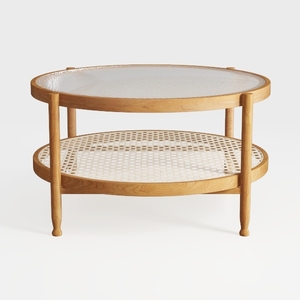
Minimalist Oak Rattan Glass Top Round Coffee Table 3D Model
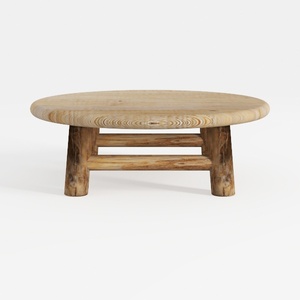

Rustic Solid Wood Round Coffee Table 3D Model

Minimalist Solid Wood Linen Fabric Three Seat Sofa 3D Model
Homestyler is your go-to online home design platform, perfect for transforming your space effortlessly. With its easy-to-use design tool, stunning 3D renderings, and a wealth of inspiring design projects and video tutorials, you’ll be crafting your dream home in no time!
Design jetzt kostenlos
































