

In my extensive experience evaluating various room heaters for residential projects, V Guard models consistently emerge as top performers. They are known for delivering reliable safety features, steady performance, and exceptional value for money. Achieving comfort goes beyond just warmth; it involves a careful balance of heat, air circulation, humidity, light, and sound. Selecting the right heater along with a thoughtful room layout can effectively turn a cold space into a cozy haven, utilizing tools like Homestyler to visualize the design.
It's essential to adhere to comfort and safety standards. According to WELL v2 Thermal Comfort guidelines, the recommended temperature for sedentary environments ranges from 20 to 24°C, with ideal humidity levels between 30 and 60% to minimize drafts (source: v2.wellcertified.com). Research from Gensler highlights that thermal comfort significantly influences workplace satisfaction, with temperature control cited as a primary factor affecting performance. Better thermal conditions are associated with improved focus and productivity (gensler.com/research). These parameters guide our approach to positioning and sizing V Guard room heaters, allowing us to manage their performance effectively without creating uncomfortable temperature fluctuations.
Selecting the Ideal V Guard Room Heater
Begin your selection process by considering the room's size, insulation quality, and how you intend to use the heater. For smaller spaces such as bedrooms or studies (ranging from 100 to 150 sq ft), compact ceramic or PTC heaters with built-in thermostats provide rapid warmth and consistent temperature control. For larger living areas (150 to 250 sq ft), oil-filled radiators (OFR) or superior convection heaters deliver gentle, quiet heat. Avoid over-sizing your heater; too much wattage can lead to uncomfortable temperature variations. Steelcase Research underscores the importance of occupant control, like adjustable thermostats, in enhancing perceived comfort and engagement (steelcase.com/research). Look for heater models incorporating precise thermostats, multiple heating options, and safety features such as tip-over and overheat protection.
Placement, Arrangement, and Zoning Considerations
Strategic placement of your heater is crucial to prevent cold spots and optimize energy efficiency. Position the heater near the coldest exterior wall or window area while maintaining a clearance of at least three feet from furniture and curtains for fire safety. Angling the unit can aid in promoting better air flow throughout the room instead of directing heat too harshly at seating areas. For multi-purpose areas, consider micro-zoning: a ceramic heater could warm a reading nook effectively while the broader living area benefits from the consistent heating of an oil-filled radiator. If you're planning the locations of furniture and heaters together, utilizing a room layout tool like Homestyler can assist in visualizing sightlines, clearances, and airflow dynamics.
Thermal Comfort, Lighting, and Sound Considerations
Creating a comfortable environment engages multiple senses. Ensure lighting remains in the warm-white spectrum (2700–3000K) to enhance the perception of warmth in the space, as cooler lighting can detract from cosiness. Additionally, minimize glare from the heater; indicators should not be visible from seating areas. Acoustic comfort is equally important; typically, oil-filled radiators operate more quietly compared to fan-driven heaters, making them suitable for bedrooms or home offices. Utilizing soft furnishings like rugs, curtains, and upholstered items can help absorb sound, further enhancing the cozy experience.
Ergonomics and Safety During Regular Use
Place controls within easy reach to avoid straining or twisting; ensure that portable heaters are not positioned in areas with heavy foot traffic to mitigate tip-over risks. Keep cables clear and utilize grounded outlets—avoid daisy-chaining cords. Adjust thermostats for predictable cycling; abrupt changes in temperature can lead to draftiness. The WELL v2 guidelines emphasize the importance of stable temperatures with minimal fluctuations; aim for gradual temperature adjustments instead of drastic changes that overshoot the target.
Energy Saving: Effective Settings and Practices
Utilize lower heat settings with extended operating times to maintain comfort levels steadily. Preheat spaces 20 to 30 minutes before they are occupied and pair your heater with ceiling fans set to winter mode (reverse) to circulate warm air effectively without draughts. Close any gaps beneath doors and windows, as even minor leaks can force the heater to work harder. If your V Guard model includes an eco mode, it’s wise to prioritize it, as consistent modulation generally offers better comfort and energy savings compared to sporadic high-output operation.
Material Selection and Surface Temperatures
Oil-filled radiators provide safer surface temperatures than exposed-coil fan heaters, which is especially important in homes with children or pets. Opt for heat-tolerant materials like wool rugs and cotton curtains that maintain adequate clearance from heaters, as well as solid wood furnishings that won’t emit harmful gases at typical heating temperatures. Avoid placing low-melting plastics and vinyl items close to the heater. Ensure a clearance of at least three feet, and refrain from positioning heaters beneath shelving containing delicate finishes.
Design Scenarios for Bedrooms, Living Rooms, and Home Offices
In a bedroom, an oil-filled radiator positioned by the window wall establishes a quiet thermal baseline, complemented by a warm-white bedside lamp at 2700K to reinforce the sense of warmth. Maintain humidity levels around 40-50% to avoid dry air discomfort. In a living room, angle a ceramic heater to distribute warmth across seating areas swiftly, aided by heavy curtains to minimize heat loss. For a home office, selecting low-noise heating options is crucial to sustain focus—both Steelcase and Herman Miller have found that environmental consistency significantly boosts task performance and decreases fatigue (hermanmiller.com/research).
Control, Scheduling, and Safety Audits
If your V Guard heater features a programmable timer, schedule brief pre-heat periods for peak usage times. Utilize thermostatic controls to prevent overheating. Regularly check filters or air intakes to ensure they are clean; dust accumulation can hinder performance and create unpleasant odors. Occasionally test the tip-over protection feature by gently tilting the device (always follow manufacturer guidelines). Never obscure a heater and confirm that smoke detectors are operational in spaces equipped with heating devices.
Color Psychology and Its Effect on Warmth Perception
Colors can significantly impact the perception of warmth in a room. Insights from Verywell Mind point out that shades of red, orange, and warm neutrals evoke feelings of coziness and warmth (verywellmind.com/color-psychology). Even subtle changes—like beige walls, terracotta details, or honey-hued wood—can help make a space feel more inviting at the same temperature. Combining warm colors with varied textures can enhance the overall sensory experience of warmth.
Heating Trends for 2024–2025
Homeowners are increasingly gravitating towards quiet, low-glare heating solutions that come equipped with better controls. Current favorites include oil-filled radiators with smart thermostats, ceramic heaters boasting eco modes, and small units optimized for compact living. The integration of smart plugs or voice assistants enables users to manage schedules and remote shut-offs effortlessly. Additionally, there is a growing trend towards sustainability, focusing on efficient sealing, layered textiles, and strategically targeted heating to lower energy demands while maintaining comfort levels.
Maintenance and Enhancing Longevity
To keep your heater functioning optimally, regularly clean vents and fins, inspect power cables for signs of wear, and store portable models upright when not in use during warmer seasons. Conducting an annual check—which includes wiping surfaces, confirming thermostat accuracy, and ensuring tip-over protection—is essential for prolonging the unit’s service life. Often, a decrease in performance over time is due to blocked air intake or malfunctioning thermostats; addressing these issues promptly can extend the lifespan of your heater without requiring a replacement.
Frequently Asked Questions
Look for oil-filled radiators or low-noise ceramic heaters with thermostatic controls, as these provide stable heating without distracting fan noise, making them ideal for sleeping environments.
To match wattage with room dimensions and insulation quality, ceramic or PTC models are sufficient for approximately 100 to 150 sq ft; for 150 to 250 sq ft, oil-filled or higher-capacity convection units are generally more suitable. Avoid oversized units to prevent temperature stratification.
According to WELL v2's Thermal Comfort guidelines, aim for a temperature range of 20 to 24°C alongside 30 to 60% relative humidity to ensure consistent comfort levels. Reducing drafts is also vital for maintaining warmth.
Position the heater near the coldest wall area—commonly under or next to windows—while ensuring it remains at least three feet away from fabrics and furniture. The output should be directed across the room to ensure consistent heat distribution.
Typically, oil-filled radiators deliver consistent, gradual heat with lower noise levels and moderate energy consumption. Their thermal mass helps to stabilize temperature fluctuations, avoiding high peaks that some fan heaters experience.
Absolutely. Warm-white lighting (2700–3000K) can significantly enhance the perception of coziness, while cool-white lighting may create a more brisk atmosphere. Managing glare from lighting sources is also key to preventing visual fatigue and discomfort.
It is advisable to seal any drafts and utilize eco or lower settings for prolonged heating times, followed by scheduling pre-heating intervals. Pairing with ceiling fans set to reverse can aid in gently distributing warm air downwards.
Select heaters that feature safety measures like tip-over and overheat protection, maintain appropriate clearances around units, and consider oil-filled radiators that exhibit lower surface temperatures for added safety. Keep cables safely routed away from high-traffic areas to prevent tripping hazards.
Utilizing warm color tones and textured materials can enhance the perception of warmth in a space, thereby reinforcing comfort at the same measured temperature—this principle is supported by color psychology research.
Regular dusting of vents and fins, routine cleaning of air intakes, inspection of power cords, and annual safety checks of thermostat functions contribute to effective maintenance. Store heaters in an upright position and ensure they are dry during off-seasons.
Many portable heating devices are compatible with smart plugs, enabling scheduling and remote shut-off features. Always ensure that the electrical ratings align and avoid bypassing any built-in safety mechanisms.
Oil-filled radiators and quality ceramic heaters that operate with minimal fan noise are optimal for promoting focus, while stable temperatures help to reduce feelings of fatigue.

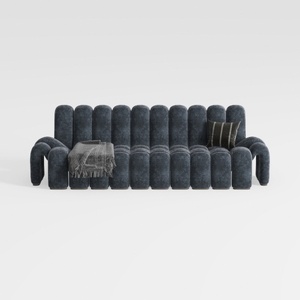

Modern Dark Blue Fabric Channel Tufted Oversized Sofa 3D Model

Modern Dark Green Velvet Tufted L-shaped Sectional Sofa 3D Model
Homestyler is your go-to online home design platform! With its user-friendly design tool, stunning 3D renderings, and a plethora of inspiring design projects and DIY video tutorials, it empowers you to effortlessly create and visualize your dream spaces. Start your design journey today!
Zaprojektuj teraz za darmo
































