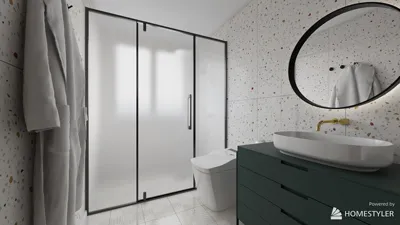


Wooden floor tiles combine the coziness of natural wood with the resilience of porcelain or ceramic, making them a fantastic choice for living rooms that regularly experience foot traffic, pets, and potential spills. I frequently recommend wood-look tiles for apartments and family residences where clients desire the elegance of oak or walnut without the bothersome upkeep associated with scratches and moisture.
Durability is a tangible quality, not just a marketing claim. The Porcelain Enamel Institute (PEI) provides a wear rating for glazed tiles that typically guides residential applications; living rooms usually perform best with PEI Class 3–4 surfaces. Research by Steelcase indicates that high-activity areas benefit from materials with excellent abrasion resistance. At home, this translates to selecting tiles with verified wear ratings and slip-resistant finishes (look for a minimum of ≥0.42 DCOF for dry conditions). For improved indoor air quality, WELL v2 (Flooring section) prioritizes low-VOC materials; many porcelain tiles satisfy this standard when installed with compliant adhesives, promoting healthier living environments.
Understanding Wood-Look Tiles vs. Solid Wood
While solid wood provides unparalleled authenticity, it is prone to scratches, seasonal shifts, and moisture damage. Contrarily, porcelain wood-look tiles present dense, non-porous durability, stable colors, and low maintenance requirements. I often advise using these tiles in living areas that open onto balconies or entryways, as they handle grit and humidity more effectively. If you're fond of the natural inconsistency seen in wood, opt for tiles featuring multiple print faces (ideally more than 10), which help to minimize the visibility of plank repetitions.
Style Preferences: Species, Tone, and Grain Direction
The design intent begins with the character of the wood species. Oak offers a well-balanced grain; walnut has deeper, luxurious hues; whereas ash or maple provides a more Scandinavian and bright appearance. Color psychology plays a crucial role in living rooms—Verywell Mind suggests that warm neutrals can enhance comfort and relaxation. Light-colored, desaturated woods create the illusion of more space, while medium honey tones bring a welcoming warmth. Dark espresso should be reserved for areas abundant in natural light to prevent a heaviness in the visual experience.
Long planks (8"×48" or 9"×60") establish rhythm and continuity, particularly when laid parallel to the longest wall. Herringbone or chevron patterns can enrich classic interiors, adding movement without overwhelming the color scheme. In tighter spaces, narrower planks (6" width) can help avoid issues with scale. If your layout is furniture-heavy or involves a combined living-dining area, utilizing a room layout tool can assist in simulating circulation and sight lines prior to finalizing your pattern.
Functionality: Wear, Slip Resistance, and Acoustic Comfort
Living rooms require surfaces that can withstand wear from chair legs, foot traffic from toys, and occasional dirt. Glazed tiles rated at PEI Class 3–4 are usually adequate for residential living spaces. For slip resistance, aim for a Dynamic Coefficient of Friction of around 0.42 or greater under dry conditions—many matte or textured porcelain options meet this standard. Unlike wood, tiles provide a harder surface, so consider utilizing thick area rugs and felt pads underneath furniture to help minimize echo and footfall noise. In open-plan designs, I employ a layered acoustic approach: combining a rug, soft upholstery, and wall art or bookshelves to reduce sound reflections, ensuring comfort during conversations.
Light, Color, and Glare Management
Lighting significantly influences our perception of color and texture. Under cooler 3500–4000K lighting, gray-washed planks appear sharp and modern; conversely, under warmer 2700–3000K lighting, honey and walnut shades become richer. The Illuminating Engineering Society (IES) recommends achieving 100–300 lux levels in living rooms; I typically target around 150–250 lux for general lighting, with specific task lighting to reach 300 lux near seating areas. Opting for low-sheen or matte tile finishes can minimize glare from large windows, particularly in south-facing rooms.
Layout Patterns That Enhance the Room
In addition to a straightforward layout, consider herringbone or chevron patterns to inject energy or refined symmetry into your space. A framed border around the periphery can delineate zones in open floor plans. I always start with furniture planning, then incorporate the pattern: orient planks along primary circulation routes to elongate sightlines. If you’re experimenting with various arrangements—like sectionals versus dual sofas—using an interior layout planner can help you switch setups quickly, all while keeping design scale and pattern direction intact.
Joint Features: Grout Width, Color, and Alignment
Grout is a crucial aspect in wood-look installations. Keep joints tight (generally 2–3 mm for rectified edges) and select a grout color that harmonizes with the predominant plank tone. A mid-tone grout often conceals joints better, preventing that unattractive 'striped' effect. For herringbone designs, ensure precise alignment at the keystone points; minor color mismatches can be more easily hidden when the grout matches the tile’s base color.
Subfloor, Underlayment, and Comfort Belowfoot
Porcelain tiles are unforgiving when installed over uneven subfloors. I recommend utilizing a leveling compound for minor irregularities and a decoupling membrane in homes with potential movement to minimize the risk of cracking. For enhanced comfort, consider adding plush rugs in seating areas or even implementing a radiant heating system beneath the tiles; this not only transforms winter living but also ensures a comfortable surface without sacrificing durability.
Maintenance: Daily Upkeep and Long-Term Care
Most wood-look porcelain only needs regular sweeping and damp mopping with a pH-neutral cleaner. Steer clear of waxes and oil soaps that can cause build-up and attract dust. Protective pads beneath furniture and rotating rugs can help manage UV exposure and wear patterns. For households with pets, textured matte finishes disguise micro-scratches and pet fur more effectively than shiny planks.
Sustainability and Health Factors
Choose tiles that come with environmental product declarations and low-VOC installation systems to align with the WELL v2 guidelines for materials and indoor air quality. The longevity of porcelain significantly diminishes the need for replacements, and many manufacturers produce lines with recycled materials. Combining these tiles with area rugs made from natural fibers such as wool or jute creates a balanced and tactile experience.
Cost and Value: Smart Investment Areas
Prioritize rectified edges for seamless grout lines and invest in a skilled installation team—superior designs can falter due to improper setting, lippage, or misaligned patterns. Allocate your budget for multiple print faces and realistic embossing since these details will capture the attention of guests. You can economize on less visible areas like utility spaces where simpler plank designs may be adequate.
Recommended Design Scenarios
- Family living areas experiencing heavy traffic, where performance is prioritized over maintenance concerns.
- Open-concept layouts that seek visual cohesion between living and dining spaces.
- Homes situated in humid climates, or areas adjacent to outdoor patios or mudrooms.
- Pet-friendly environments requiring scratch resistance and streamlined cleaning processes.
Frequently Asked Questions
Q1: Are wooden floor tiles suitable for high-traffic living rooms?
A1: Absolutely. Opt for porcelain tiles rated at PEI Class 3–4 to ensure they withstand abrasion and aim for a DCOF of around 0.42 or higher for dry slip performance. Their density and resilience against stains generally outperform most traditionally finished wood surfaces in busy environments.
Q2: What tile finish convincingly mimics real wood?
A2: Matte or low-sheen finishes that feature synchronized embossing (texture aligning with the grain pattern) deliver the most authentic appearance while minimizing glare. Utilizing multiple print faces (10+) is essential to prevent noticeable pattern repetition.
Q3: Which grout color works best with wood-look tiles?
A3: It's best to choose a mid-tone grout that matches the tile’s base color; these hues will generally conceal joints and maintain the visual illusion of planks. Keep joints at 2–3 mm for rectified tiles to achieve a natural wood-like finish.
Q4: Do wood-look tiles tend to feel cold compared to hardwood?
A4: Yes, due to their thermal conductivity, they can feel cooler. To maintain warmth, layer area rugs and consider installing radiant heating beneath the tiles for a consistently comfortable experience in seating areas during the winter months.
Q5: What’s the ideal plank direction to choose?
A5: Orient planks parallel to the longest wall or along the primary flow path to elongate the view. In open spaces, align them with the main axis connecting the living and dining areas to create a unified aesthetic.
Q6: Are tiles noisy by nature?
A6: Tiles do tend to reflect sound more than wood. To enhance acoustics, complement the design with thick rugs, soft upholstery, curtains, and bookshelves to disrupt reflections, ensuring conversations remain comfortable.
Q7: Which lighting works best with wood tones?
A7: Aim for ambient illumination of around 150–250 lux combined with warm 2700–3000K lighting for inviting living spaces. Utilize matte tiles to minimize glare in proximity to large windows, bearing in mind that the IES recommends 100–300 lux for living rooms, so supplement task lighting as needed.
Q8: Is it possible to use herringbone or chevron patterns in smaller spaces?
A8: Yes, indeed—just select narrower planks and maintain a restrained palette. While patterns add vibrancy, attention to scale and tight grout lines is crucial in preventing visual clutter.
Q9: Are wood-look tiles compliant with healthy indoor air quality standards?
A9: Many porcelain tiles boast low-VOC properties; pair them with suitable adhesives and grouts that align with WELL v2 guidance for healthy indoor environments.
Q10: What cleaning methods are best for maintaining them?
A10: Regular sweeping and damp mopping with a pH-neutral cleaner is ideal. Avoid waxes or oil-based products that could leave residues. Use felt pads under furniture to minimize surface scratches.
Q11: Can dark wood-look tiles make a room appear smaller?
A11: They might give that effect when natural light is scarce. To counter this, ensure ample daylight, lighter wall colors, and diverse lighting at 2700–3000K to maintain an inviting atmosphere.
Q12: What’s the most sensible way to allocate my budget?
A12: Prioritize investing in rectified edges, multiple print faces, and hiring a qualified installer. You can cut expenditures on secondary spaces where exacting visuals are less critical.
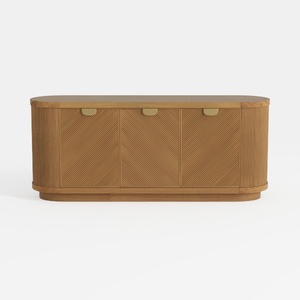
Meridian Furniture 77054Natural Everson Collection
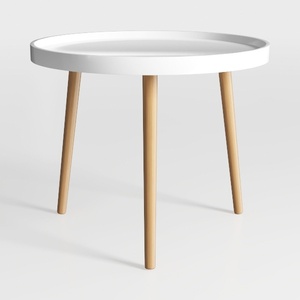
danpinera Round Side Table, Metal Legged Accent
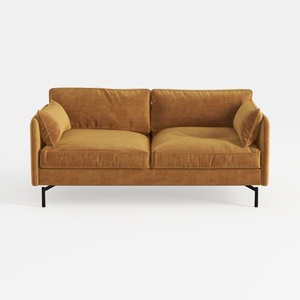
Corduroy High Resilience Sofa with 2 Pillows,57.9
Discover the magic of home design with Homestyler! This user-friendly platform features an intuitive online design tool, stunning 3D rendering options, inspiring design projects, and helpful DIY video tutorials. Unleash your creativity and transform your space effortlessly, whether you’re a novice or a pro!
立即免费设计
































