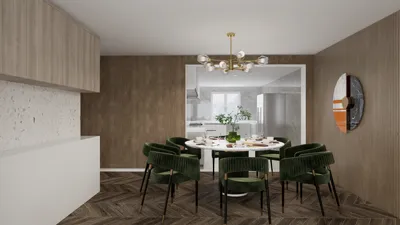


Wooden TV cabinets provide a cozy, textured warmth and quiet assurance to any living space. My design philosophy integrates sleek lines with ergonomic considerations and clever storage solutions—aiming to balance the visibility of the screen with the room's social dynamics. When executed properly, wood adds a tactile quality and visual rhythm that not only softens the impact of technology but also enhances the overall atmosphere. Utilizing Homestyler can aid in visualizing these elements in your design.
Prioritizing scale and viewing ergonomics is essential. Recommendations from WELL v2 suggest minimizing glare and encouraging comfortable neck positioning. Practically, this means positioning the center of the screen approximately 40–48 inches from the ground, with the TV placed 1.5 to 2.5 times its diagonal size away from seating areas, while typically situating the cabinet height around 18–24 inches. Steelcase studies indicate a correlation between posture comfort and overall wellbeing, which translates into living spaces advocating for low-profile console designs that mitigate neck strain and incorporate effective cable management to reduce visual clutter.
Lighting plays a crucial role in enhancing the living room experience. According to the IES, a target of 150–300 lux is recommended for these areas, advocating for layered lighting sources to reduce harsh contrasts. Wood finishes, especially those that are matte, can help scatter reflections, while features like louvered doors or textured slats work to minimize glares. Incorporating dimmable sconces or a strategically placed lamp behind the television can soften intense brightness changes and lessen eye fatigue during evening hours, following the IES's residential lighting guidelines.
Timeless Minimal: Low, Long, and Light
An understated wooden cabinet that is low and continuous preserves sightlines in the room. I prefer materials like white oak or ash finished with natural oils for a light, modern aesthetic. Push-to-open drawers eliminate any noise related to hardware, and a recessed plinth design creates an illusion of floating. Additionally, ventilation slots at the back alongside breathable panels ensure heat dissipation while keeping the technology discreet and unobtrusive.
Warm Mid-Century: Slatted Doors and Tapered Legs
Mid-century designs offer a forgiving and familiar aesthetic: walnut veneer and solid wood edge treatments paired with tapered legs provide a light visual weight to the cabinet. Slatted doors allow for remote functionality while keeping devices hidden away. Maintain balance by ensuring the footprint is roughly two-thirds the width of your wall or the area rug, thereby enhancing visual coherence.
Integrated Wall System: Wood + Storage Grid
For spaces that require additional storage, a custom-built wood wall system can elegantly frame your TV while managing clutter. Opt for closed base cabinets for substantial items and open shelving above for books and decorative pieces. A regular pattern of vertical stiles at intervals of 12 to 18 inches creates a calming composition and prevents the ‘screen-alone’ effect. To experiment with various furniture arrangements and clearances effectively, employing a room layout tool like Homestyler can help simulate sightlines and circulation.
Floating Console: Clean Floor, Light Presence
Mounting a wooden console on the wall clears up floor space and visually broadens compact rooms. Ensure to reinforce the wall properly and align the console with stud locations, incorporating a slim wire chase for unvisible cable management. Continuous underlighting within a range of 2700 to 3000K generates a gentle glow and eases contrast levels when the television is turned on.
Two-Tone Wood: Subtle Contrast for Depth
Combining lighter oak for the carcass with darker walnut panels creates depth without excessive ornamentation. This contrast emphasizes the cabinet's shape and defines its edges, which is especially helpful in softly lit environments. Aim for a lower sheen (matte to eggshell) to minimize reflections from the screen.
Vertical Rhythm: Fluted Panels and Acoustic Calm
Incorporating fluted or ribbed wood panels adds an engaging texture while offering mild sound diffusion. Although it doesn't provide comprehensive acoustic treatment, this design aspect helps mitigate echoing in spaces with hard surfaces. Pairing these features with a wool rug and upholstered seating can achieve a comfortable reverberation time (RT60) between 0.4 and 0.6 seconds for residential living areas.
Hidden Tech: Venting, Access, and Cable Discipline
Designing for accessibility is crucial: consider removable back panels, side cable ports, and breathable compartments for devices like streaming boxes and routers. Aim for 20 to 30 percent open space behind electronics to facilitate passive airflow. Keep power lines separated from low-voltage cables to avoid interference and prepare for future upgrades. Incorporating a central power grommet helps maintain a clean surface on top.
Ergonomic Height and Proportions
Most furniture designs position the eye level around 40 to 44 inches while seated; aligning the screen center closely to this height minimizes neck strain. A cabinet depth of 16 to 20 inches accommodates most living spaces and allows easy movement. If incorporating a soundbar, set aside a dedicated slot of 3 to 4 inches in height, covered with acoustic fabric, to avoid any sound muffling issues.
Color Psychology: Warmth, Calm, and Contrast
The tones of wood have a significant impact on mood and atmosphere. Light woods like oak and ash impart a sense of airiness, while darker options such as walnut and stained cherry can invoke feelings of intimacy. Keep the contrast between walls and cabinets moderate to prevent the television from overwhelming the space. Complement these elements with muted, low-saturation textiles to draw focus back to the content itself rather than the furnishings. Insights on color and emotional responses can be accessed through resources such as Verywell Mind.
Sustainable Choices: Veneer Strategy and Finishes
Opting for high-quality veneers on stable substrates ensures a smooth surface and resource efficiency. Sourcing from FSC-certified suppliers and choosing waterborne finishes minimize VOC emissions and enhance indoor air quality. Rounded edges (with a radius of 2-3 mm) not only protect finishes but also wear gracefully over time; oil-rubbed surfaces can be touched up rather than requiring full refinishing.
Small Living Rooms: Compact, Vertical Storage
In space-limited environments, it is beneficial to minimize width while maximizing height. A console measuring 48 to 60 inches in width paired with stacked, shallow upper cabinets maintains a lightweight footprint. Avoid swinging doors that intrude into walkways and instead consider sliding wooden fronts or lift-up mechanisms. Accurately testing the distance from the seat to the screen as well as the cabinet clearance with an interior layout planner can help identify potential issues early on.
Corners and Niche Solutions
Corner cabinets can effectively reduce glare from windows while reclaiming otherwise unusable space. Opt for a pie-shaped design with a radiused back that aligns with the room's architecture. For niches, construct a flush cabinet using scribed side panels to eliminate any gaps; continuous tops and sides will ensure the TV appears seamlessly integrated rather than an afterthought.
Material Pairings: Wood with Stone or Metal
Utilizing a stone slab top not only enhances durability but also provides a solid visual anchor—honed finishes are recommended to avoid glare. Blackened steel frames or slender metal outlines can offer sharpness and protection to corners. For consistent aesthetics, ensure the wood grain matches across cabinet doors by sequencing veneers; inconsistent grain patterns can create a chaotic feel.
Handling Glare and Windows
When possible, position cabinets perpendicular to main windows. If the screen must directly face light, layering sheer materials can help diminish harsh beams and specs. A slight tilt of the TV (around 2-3 degrees) can redirect reflections away from viewers, and matte finishes are generally preferable in rooms with high-gloss elements to reduce glares.
Cable Management and Power Planning
Plan for two duplex outlets: one located behind the TV and another within the cabinet for the components. Install a conduit running from the cabinet to the display mount and leave a pull string within for future cable additions. Clearly label power adapters and store them in a well-ventilated, isolated area. Magnetic panels or user-friendly pulls on cabinet backs can expedite maintenance tasks.
2024–2025 Design Notes
Recent client inquiries reveal a preference for slimmer profiles, less visible technology, and warmer wood finishes. Smoked oak, natural walnut, and oils with low sheen are trending. The combination of materials—such as wood with fabric grills—continues to be favored, while floating consoles gain traction in apartment designs that emphasize lightness. Features like integrated soundbars in wooden slots, cable-free surfaces, and softly-lit undersides enable technology to recede into the background, allowing social interactions to take center stage.
Authority and Research
Guidelines regarding comfort and viewing angles derive from WELL v2’s principles on visual comfort, including glare management and balanced luminance. Residential lighting objectives align with recommendations from the IES. For comprehensive insights into human comfort and behavioral patterns, Steelcase provides research affirming the relationship between posture, focus, and overall wellbeing—knowledge I apply to home media environments.
FAQ
Typically, for most sofas, a console height between 18 and 24 inches ensures the screen center aligns with the seated eye level (approximately 40 to 44 inches), reducing neck strain while adhering to comfort principles outlined in WELL v2.
When determining cabinet width, it should at least match the television's width and is often ideally 1.2 to 1.5 times wider for aesthetic balance. A wider base stabilizes the visual composition and provides additional space for speakers or decorative elements.
Reliable choices for materials include white oak, ash, and walnut. Light woods like oak and ash lend a Scandinavian lightness, while woods like walnut introduce warmth and depth. Ensure you select stable substrates complemented by high-quality veneers for optimal appearance and sustainability.
Incorporate a rear cable chase, establish grommets extending from the top of the cabinet, and create distinct compartments for power and low-voltage cables. Leaving a pull string in conduits facilitates future upgrades easily.
Selecting matte or satin finishes, alongside textured panels such as slats or flutes, is advisable. Position the cabinet to face away from windows, and layer sheer blinds to help manage daylight. Target ambient lighting levels of 150-300 lux in accordance with IES advice.
Well-placed slats allow IR signals to pass through while concealing components. Alternatively, IR repeaters or doors made from mesh/acoustic fabric can serve to maintain remote control access.
Yes, provided you mount it into studs or a reinforced drywall, along with adequate brackets rated for the weight of the TV. Keep the components situated within a ventilated cabinet and confirm load ratings prior to installation.
Using low-sheen oil or a waterborne polyurethane finish helps resist fingerprints and simplifies cleaning. Rounded edges and durable veneers are more resilient against everyday bumps than sharp, high-gloss lacquers.
Aim for 20 to 30 percent of the rear panel and side vents to remain open to encourage passive airflow. Avoid fully enclosed compartments as excessive heat can diminish the lifespan of electronics.
For an optimal viewing experience, maintain a distance of 1.5 to 2.5 times the diagonal size of the TV from seating for comfortable viewing while preventing eye strain.
Yes, ribbed or fluted wooden surfaces can assist slightly in reducing reflections. Pairing these with softer materials such as rugs and drapery contributes to achieving a pleasant reverberation time around 0.4 to 0.6 seconds in living spaces.
Build a dedicated opening centered beneath the display, ensuring it has acoustic fabric, or an open front at 3 to 4 inches in height. Ensure easy access to cables and maintain air circulation around the enclosure.
Utilizing a layout simulation tool can effectively help you visualize clearances, sightlines, and lighting conditions before finalizing your design. Homestyler is a great option for visualizing the seating arrangements and cabinet proportions effectively.
Yes. Light carcasses combined with darker fronts create depth while reinforcing a bright ambiance, in alignment with the 2024-2025 design trends favoring warm minimalism.
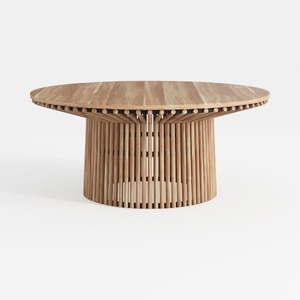

Merax Outdoor Dining Table 47.25" Round Extra

Accent Storage Sideboard with Drawers and Doors
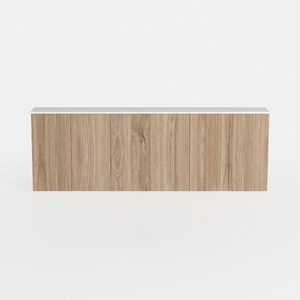
Fluted Sideboard Buffet Cabinet with Storage,
Homestyler is your go-to online home design platform! Enjoy its user-friendly design tool, stunning 3D renderings, a plethora of inspiring design projects, and helpful DIY video tutorials. Transform your space effortlessly and unleash your creativity—whether you're a novice or a pro!
Progetta ora GRATIS
































