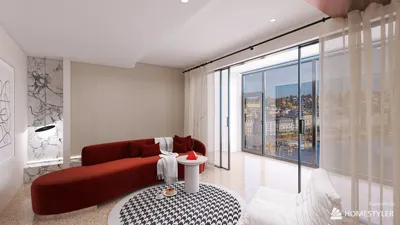


Wooden flooring introduces a sense of warmth, consistency, and durability to any space. In my projects, I often rely on the comfort and performance of wood—its natural grain creates visual harmony, while different finishes can enhance sound quality and light dynamics. More than just an aesthetic choice, wood fosters a serene environment when paired thoughtfully with balanced layouts and carefully selected materials. Utilizing tools like Homestyler helps visualize these combinations effectively.
Establishing a Strong Foundation: Performance, Comfort, and Proven Data
Durability and comfort are pivotal in every design decision. In both work and living spaces, managing glare and achieving a balance in lighting helps reduce strain—conforming to IES recommendations for task-plane illuminance that maintain spaces between approximately 300–500 lux for everyday activities. Wellness considerations, according to WELL v2, advocate for approaches that minimize volatile organic compounds and promote acoustic comfort; opting for low-emission wood finishes and incorporating soft materials (like rugs and upholstered furniture) can help achieve these goals. Furthermore, insights from color psychology suggest that using warm neutrals and wood tones can lower stress levels and enhance comfort when carefully applied. These criteria guide my methods of selecting wood species, finishes, and lighting, ensuring the floor serves as a steady backdrop instead of an overwhelming distraction.
Interpreting the Grain: Selecting Species, Finishes, and Lighting
The choice of wood species influences both mood and longevity in a room. Oak offers significant resistance to wear and possesses a balanced grain, making it adaptable for both contemporary and traditional designs. Ash adds brightness to compact spaces, while walnut introduces a luxurious depth through its rich contrasts. I vary the plank width strategically; narrow planks create rhythm and a traditional atmosphere, while wider boards visually expand smaller rooms. Utilizing satin or matte finishes minimizes glare and reduces the visibility of footprints, which is particularly beneficial in rooms with strong natural light. When lighting is cooler, a warmer wood finish can counteract any chromatic shift, ensuring that cool-toned woods retain their clarity without appearing yellow. On larger floor areas, I generally avoid high-gloss finishes, as they tend to exaggerate highlights and can disrupt acoustic comfort by intensifying sound reflections.
Designing Layout: Flow, Zoning, and Visual Harmony
Wood flooring flows seamlessly, creating a cohesive visual field, which means edge conditions play a crucial role. I arrange major pathways along the room's longest axis and align the planks to this direction to enhance movement and tranquility. In open layouts, strategically placed area rugs or stone pads beneath dining or entry areas can provide elegant navigation cues without breaking the continuity of the floor. When rearranging furniture, I simulate sightlines and clearance spaces using an interior layout planner, ensuring acoustic softening and spatial comfort; a tool like Homestyler can assist in visualizing rug sizes and traffic patterns while maintaining the integrity of the wooden flooring.
Understanding Light Dynamics: Daylight, Color Temperature, and Glare Management
Wood interacts significantly with light intensity and direction. In brightly lit spaces with expansive windows, I employ layered shading solutions (sheers combined with blackout curtains) alongside matte finishes to mitigate excessive reflections on the floor. Task areas should be illuminated consistently, adhering to the IES standards, aiming for 300–500 lux in most living and work zones, with a warmer ambiance around 2700–3000K to ensure the wood appears inviting. Accent lighting can enhance the grain's texture, and I strive for softer lighting (200–300 lux) in relaxation areas, increasing brightness around reading spaces. For areas affected by direct sunlight, seating should be positioned perpendicular to illuminate paths to prevent glare from reflecting off the floor. Balancing vertical and horizontal light levels is crucial for maintaining visual clarity and minimizing fatigue.
Achieving Acoustic Comfort: A Quiet Yet Lively Experience
Wood provides a vibrant acoustic profile. To mitigate unwanted sound reflections, I incorporate resilient underlayment beneath engineered planks, use drapes alongside upholstered seating, and anchor key seating spaces with medium-pile rugs. In home office scenarios, these elements help control mid-high frequencies, promoting better speech clarity without sacrificing ambiance. Softly backed doors and wall panels are also effective in managing reverberation times, resulting in a floor that feels lively yet not disruptive.
Exploring Color Psychology: Warmth, Contrast, and Emotional Impact
Wood inherently embodies warmth, requiring careful balancing with surrounding colors. Cooler textile choices—like charcoal or muted blues—can temper the overall intensity in smaller spaces. In areas where a more vibrant atmosphere is desirable, warm neutrals blended with subtle accents of terracotta or rust can harmonize beautifully with honey oak. Thoughtful contrasts maintain focus: for instance, deep walnut against cream walls achieves a comfortable luminance contrast ratio of approximately 3:1 to 5:1 at focal points. Small pops of high-chroma colors should uplift the space instead of competing for attention; a single accent piece is often sufficient in tranquil living environments.
Considering Human Factors: Space Management, Ergonomics, and Everyday Function
Well-designed wooden floor spaces enhance daily living. I maintain clear pathways of approximately 900–1000 mm in main areas, leave about 400–500 mm behind dining chairs for easy accessibility, and ensure coffee tables are positioned 400–450 mm away from sofas for comfort. To protect the floor, furniture legs should be fitted with felt pads, and swivel bases can help avoid point loads. In terms of maintenance, I recommend a weekly dry mop followed by damp cleaning using pH-neutral products to uphold the finish and prevent slipping. Lighter floors particularly benefit from matting and shoe trays at entrances to keep abrasive dirt in check.
Evaluating Spatial Ratios: Plank Placement and Visual Rhythm
In long, narrow areas, orienting planks along the longer sides helps diminish the feeling of tunnel vision. Incorporating herringbone or chevron patterns adds a rhythmic quality and can balance visually intricate walls by establishing a consistent directional flow. I refrain from combining more than two wood tones in one sightline; a diverse palette can fragment the visual experience and disrupt tranquility. When employing borders, I ensure they are slender and align with major architectural features, reinforcing a sense of order.
Choosing Materials Wisely: Performance and Sustainability
Opting for engineered wood with a high-quality wear layer enhances stability across different climates, particularly over radiant heating. I prioritize low-VOC adhesives and finishes to comply with wellness guidelines (WELL v2), and consider using underlayment made from recycled materials when possible. In kitchen spaces, it's advisable to pair wood with stone or porcelain in areas prone to moisture exposure. For entryways, selecting dense species or darker finishes can effectively mask minor scratches caused by dirt.
Design Trends for Wooden Floors in 2024–2025
My current design projects emphasize two main themes: grounded minimalism and crafted heritage. Matte oak flooring with wide planks works harmoniously under soft, inviting lighting in living areas, while tailored herringbone patterns introduce character to dining spaces without being overbearing. In hybrid open plans, zones are distinctively defined through various rugs, sculptural lighting fixtures, and a cohesive color scheme that preserves the integrity of the wooden flooring. In work zones, ergonomically designed desks alongside softer task lighting and acoustic elements ensure that functionality complements the serene presence of the wood.
Essential Tips for Wooden Floor Design
- Align plank direction with the longest axis of the room for visual coherence.
- Opt for satin or matte finishes to reduce glare and footprint visibility.
- Implement layered window treatments to regulate daylight across the flooring solution.
- Combine warm woods with cooler textiles to foster a balanced atmosphere.
- Maintain generous clearances to ensure unobstructed movement.
- Incorporate resilient underlayment and rugs to enhance sound quality.
- Limit the variety of wood tones present in a single view to uphold visual cohesion.
- Adjust species and stain choices according to natural light conditions—darker woods benefit from warmer light sources.
FAQ
Q1: Which wood species are recommended for settings with high foot traffic?
A1: Oak and maple are dependable choices due to their wear resistance, with oak also providing a balanced grain that camouflages minor scratches. Engineered wood options with robust wear layers offer enhanced stability in varying humidity conditions.
Q2: How should planks be oriented in a long, narrow living room space?
A2: Position planks along the longest wall to help mitigate the tunnel effect and promote easy circulation. In exceptionally narrow areas, wider boards or subtle herringbone patterns can visually enhance breadth.
Q3: What color temperatures work best in harmony with medium-tone oak floors?
A3: Warm ambient lighting at 2700–3000K enhances eye comfort and maintains color accuracy, while task lighting should aim for approximately 300–500 lux for effective reading or focused tasks according to IES guidelines.
Q4: How can I minimize noise on wooden floors without resorting to excessive carpeting?
A4: Incorporate resilient underlayment beneath flooring, add medium-pile rugs to seating areas, and include upholstered furniture as well as drapes to soften sound reflections while preserving the presence of the wood.
Q5: Are high-gloss finishes practical for wooden floors?
A5: High-gloss surfaces tend to exacerbate glare and prominently display footprints. Satin or matte finishes are preferred, particularly in brightly lit spaces, as they balance reflections and maintain a timeless appearance.
Q6: What is an effective method for zoning in open-concept areas?
A6: Define different areas through rug sizing and textures, layered lighting, and furniture arrangements rather than altering flooring material. This approach maintains the continuity of wood flooring and preserves the spatial layout; tools such as Homestyler can assist in testing clearances.
Q7: What's the best way to coordinate wall colors with dark walnut flooring?
A7: Lighter neutral tones, such as cream or warm gray, will provide an appealing luminance contrast (aiming for about 3:1 to 5:1 at focal areas). Introduce small color accents rather than large saturated blocks for a balanced aesthetic.
Q8: What maintenance practices ensure the long-term protection of the floor's finish?
A8: Regularly dry mop, damp clean with pH-neutral products, and utilize felt pads beneath furniture. Entrance mats minimize abrasive dirt exposure, especially beneficial for lighter-toned woods.
Q9: Is engineered wood a suitable option for use over radiant heating?
A9: Absolutely, engineered wood construction accommodates thermal expansion better than solid planks. It's essential to check manufacturer specifications regarding temperature and humidity to ensure warranty requirements are met.
Q10: How can I effectively manage intense daylight on the floor?
A10: Use a combination of sheer and blackout shades, select matte finishes, and arrange seating to minimize direct glare paths. Keeping ambient light warm helps prevent undesired color shifts.
Q11: Can different wood tones be mixed within one room?
A11: It’s best to limit the combination to two tones within the same view and align with structural features. An excess of variation can disrupt the visual tranquility of the space.
Q12: What rug size is appropriate for a standard sofa setup?
A12: Ideally, rugs should extend to at least cover the front legs of the seating, measuring around 1600–2000 mm deep depending on the sofa's dimensions; this stabilizes the space and protects the wooden flooring.


Looking to transform your space effortlessly? Homestyler is your go-to online home design platform! Enjoy its user-friendly design tool, stunning 3D renderings, and an array of inspiring design projects and DIY tutorials. Bring your creative vision to life with ease!
Progetta ora GRATIS
































