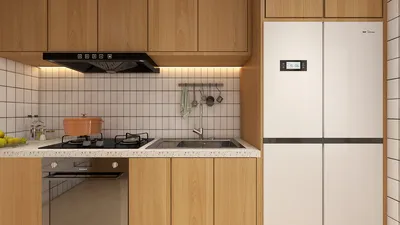


Over the years, I have successfully integrated wine storage solutions into apartments, compact kitchens, and narrow dining areas—situations where traditional wine cellars aren't realistic. The goal here is to maintain the ritual and quality of wine while ensuring a minimal footprint and a serene visual experience. In limited spaces, a well-designed rack transforms from mere furniture into a cohesive system: customized to fit the available space, calibrated for light and temperature control, and aligned with daily activities. A powerful tool for visualizing such designs is Homestyler, allowing you to see how your concepts will fit within your unique environment.
Constraints of space require meticulous planning. Studies in both workplace and residential ergonomics establish that essential items should be stored within an easy reach zone of approximately 20–50 cm to minimize strain, whereas less frequently accessed items can be placed higher or lower. Research by Steelcase advocates for a comfort and efficiency standard based on a 5th to 95th percentile range. The WELL v2 certification emphasizes the importance of thermal and humidity regulation; for wine, optimal storage conditions are around 50–70°F (10–21°C) with steady humidity to prevent cork damage and flavor deterioration. In terms of aesthetics, color psychology insights from Verywell Mind reveal that warm, muted neutrals can foster relaxation—an appealing aspect when a wine rack also serves as a visual focal point in a living space.
When combining storage solutions with layout planning, I frequently create prototypes to prevent conflicts with door movements and pathways. In troubleshooting scenarios in smaller studios or galley kitchens, utilizing a room layout tool is invaluable for quickly validating clearance and visual lines. To ensure proper lighting, especially in areas close to task illumination, I refer to IES recommendations that suggest maintaining ambient residential lighting levels between 100–300 lux; this helps mitigate glare and any heat buildup that might affect labels and cork integrity, all of which can be effectively illustrated using Homestyler.
Initial Assessments of the Space
Begin by measuring wall bays, niches, and any under-cabinet spaces available for your wine storage. In compact kitchens, I find that modules with a depth of 150–300 mm are ideal to prevent obstruction of circulation space. For easy access, vertical stacking is most effective when the height ranges from 1200–1500 mm, while reserve bottles can be stored either below 800 mm or above 1700 mm based upon the ceiling height. If the rack is positioned near a heat source, I recommend setting it back by at least 300 mm or installing a thermal break panel.
Selecting the Appropriate Rack Type
• Wall-mounted rails: These are visually lightweight and perfect for showcasing bottles, but be cautious not to place them facing windows to avoid direct sun exposure.
• Modular cubbies: Using grid systems like 3×4 or 4×4 maintains visibility of labels and allows for incremental expansion, ideal for collectors who prefer to purchase in smaller quantities.
• Under-shelf cradles: These clip-in units can be installed beneath existing shelves, thus maximizing counter space; maintaining a single row will provide a tidy appearance.
• Narrow vertical towers: Towers that are 200–250 mm wide can fit neatly into corner spaces; ensure their placement allows for a walking clearance of 900 mm.
Managing Light and Heat
Wine is sensitive to both temperature fluctuations and ultraviolet light. I target an ambient light level of 200–250 lux around the racks, making certain there is no direct spotlight on the bottles. I recommend using warm LED lights in the range of 2700–3000K to avoid harsh contrasts; high CRI (90+) ensures that labels remain legible without excessive brightness. When considering accent illumination, I find that indirect lighting solutions like toe-kick LEDs or cove lights pose less risk compared to spotlight fixtures. It's also critical to keep transformers and drivers well-ventilated and at least 150 mm away from the bottles to curb heat transmission.
Choosing Materials and Finishes
Powder-coated steel stands up admirably to scratches in high-traffic areas. If opting for wood, stable choices like white oak or walnut, finished with low-VOC products, are recommended. Avoid softwoods that may dent easily in close quarters. In humid kitchen environments, anodized aluminum or sealed composite materials are preferable to prevent warping. Including recycled cork pads within the cradles adds a tactile element and minimizes micro-vibrations during bottle retrieval.
Considerations for Ergonomics and Handling
It's important to arrange for a dominant hand grip zone: most right-handed individuals prefer bottle necks positioned to the left for effortless removal. Maintain a module width of 350–400 mm for single bottles; double-deep racks require 700–750 mm, supplemented by clear labeling to streamline bottle access. Additionally, place heavier magnums in the lower third of the rack to ensure a safe center of gravity.
Understanding Color Psychology and Visual Aesthetics
In confined spaces, high-contrast racks can seem cluttered. Adopting a subtle rack finish, such as warm gray, graphite, or soft black, allows the labels to stand out as the primary visual focus. If the rack serves as a statement piece on a wall, consider selecting a single accent color from your bottle collection—perhaps burgundy or olive—to use sparingly, promoting a sense of order rather than chaos. According to guidance from Verywell Mind, softer color palettes can help reduce tension and support leisurely wine enjoyment rituals.
Acoustic and Vibration Mitigation
In smaller areas where appliance structures may share space, I advise separating the wine rack from refrigerators, dishwashers, and laundry walls by at least one stud bay if feasible. Utilizing rubber grommets to decouple wall-mounted racks can reduce vibration significantly; adding cork liners to shelves can provide further stability. Even modest efforts at vibration reduction can be beneficial for the long-term preservation of aging bottles.
Strategic Layout Techniques for Micro Apartments
• Over-island cantilever: A shallow cantilever ledge (150–180 mm) on the island’s dining side can hold 6–8 bottles without encroaching on leg space.
• Concealed sliding panel: A slotted or fabric-covered sliding screen can effectively hide a wine rack in the living area, easing visual clutter.
• Under-stair storage: If a mezzanine exists, the triangular area beneath stairs can accommodate a layered rack, ensuring that the lower tread height exceeds the bottle length by at least 30 mm.
When planning for flow, it's crucial to simulate clearances and seating arrangements to prevent elbow conflicts; an interior layout planner can be useful in this regard.
Maintaining Safety and Label Integrity
Always store corked bottles horizontally to maintain cork moisture. Ensure rack modules are distanced from sunlight and heating vents. Apply UV-filter film to nearby windows if the rack is installed within 1 meter of a window. To safeguard labels, I recommend avoiding direct adhesives on premium paper; instead, archival tags attached to cradle ends minimize residue.
Sustainable Choices
Opt for wood that is FSC-certified and powder finishes that adhere to low-VOC processes. Modular options in steel and aluminum can be dissembled and recycled. Multi-functional items—like benches that incorporate racks—reduce overall material consumption while fulfilling seating needs in petite homes.
Considering Budget and Scalability
Initiate with a foundational grid that accommodates your average weekly consumption plus an additional 20–30% as a buffer. Implement clip-in modules as your collection expands to avoid overbuilding. In rental properties, systems that mount on walls with minimal penetrations help preserve deposits; conversely, built-ins around framing for owned properties can optimize storage capacity discreetly.
Frequently Asked Questions
Q1: How many wine bottles should I plan for in a studio apartment?
A: Base your setup on your average monthly consumption, adding an extra 20–30% for entertaining guests and special occasions. Generally, having 12–24 bottles can meet routine requirements without overwhelming space.
Q2: What are safe lighting levels for a wine rack?
A: Aim for ambient lighting levels around 200–250 lux, steering clear of direct beams. Warm LEDs (2700–3000K) with high CRI contribute to label readability while reducing heat and UV exposure.
Q3: Is there a risk of damage to walls from a wall-mounted rack?
A: Utilize appropriate anchors into studs and incorporate rubber grommets to minimize vibrations. Maintain an even load across the rails and adhere to the manufacturer’s load limits per module.
Q4: Is horizontal storage imperative?
A: For corked bottles, it's necessary—horizontal storage keeps corks moist. Bottles with screw caps are less strict and can be stored at slight angles where permissible.
Q5: What strategies can protect bottles located near a window?
A: Employ UV-filter film, implement light-diffusing shades, and situate the rack out of direct sunlight. Additionally, aim for stable temperatures within the range of 50–70°F (10–21°C).
Q6: Which materials are best suited for humid kitchens?
A: Powder-coated steel, anodized aluminum, and adequately sealed hardwoods, such as oak or walnut, resist warping and degradation. Do not use unsealed MDF in areas prone to splashes.
Q7: How can I increase storage without creating a cluttered appearance?
A: Favor modular grids with consistent cell sizes and uniform finishes. Limit additions to the same system for a cohesive look, rather than a patchwork effect.
Q8: Are there ergonomic considerations for placement?
A: Place commonly used bottles within a primary reach zone—ideally between 800–1500 mm in height—to avoid bending or using step stools. Store heavier magnums below 800 mm to maintain stability.
Q9: Can I incorporate a rack within seating arrangements?
A: Absolutely. Benches or banquettes can accommodate shallow cubbies on side panels. Ensure a knee clearance of 300–350 mm and maintain bottle accessibility from aisles rather than underneath the seats.
Q10: What approaches can improve acoustics in a compact kitchen?
A: Separate the rack from adjacent appliance walls, insert cork or felt shelf liners, and opt for soft-close features on nearby cabinets to minimize noise and vibration impact.


Coffee Table Sofa End Tables Solid Wood Mobile

Bohemian Rattan Woven Storage Baskets Set 3D Model

Mid Century Solid Wood Fabric Dining Chair 3D Model
Looking to transform your home? Homestyler is the ultimate online design platform, offering an intuitive design tool, stunning 3D renderings, and inspirational design projects. With helpful DIY video tutorials, it's never been easier to bring your vision to life, regardless of your experience level!
Progetta ora GRATIS
































