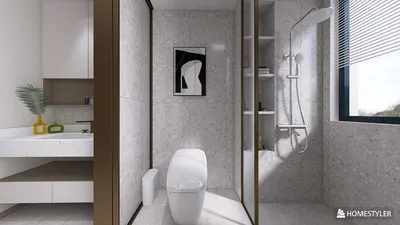


One weekend, I found myself painting a small studio after the tenant urgently requested a quick refresh. Due to my oversight in skipping the primer, the new color bled unevenly over an existing stain, leading to an unsatisfactory finish. This experience reinforced the lesson that taking shortcuts during prep can lead to significant issues, especially in small spaces where every flaw is magnified. For inspiration on how technology can help visualize fixes, I often refer to AI design examples showcasing how changing just a wall can dramatically alter a room's look. Tools like Homestyler can be very helpful in this regard.
1. Always apply primer when the substrate is either new or repaired
I regularly ensure that new drywall or plaster and any repaired sections are primed before I start painting. Using primer effectively balances the porosity, allowing for a more uniform topcoat application. While this might require some extra time and cost at the beginning, the payoff comes from improved finish quality and fewer coats needed later on.
save pin
2. Stains and odors necessitate a primer
When confronted with coffee stains, water rings, or nicotine marks, a stain-blocking primer becomes essential. This product seals the stain, preventing it from bleeding through the new paint. Though specialty primers can be more expensive, they effectively eliminate the need for a quick repaint shortly thereafter.
save pin
3. When changing paint types or making dramatic color shifts
Switching from oil-based to latex paints or making a leap from a dark color to a significantly lighter one requires the use of a bonding or tinted primer. This approach enhances adhesion and can lessen the number of topcoats necessary. If you prefer to visualize the transformation before diving in, utilizing some 3D design tools, like those offered by Homestyler, can assist in deciding whether to tint a primer toward the final desired shade.
save pin
4. Strategies for small spaces: opt for thin coats, light primer, and smart sheen
In compact rooms, I often choose to use a lightweight, fast-drying primer, along with a satin or eggshell finish that enhances light reflection while minimizing visibility of every blemish. This strategy contributes to a brighter and more refreshing atmosphere; however, the satin finish can accentuate imperfections, which is why thorough sanding and a quality primer remain crucial.
save pin
5. Considerations for budget and timing: areas where you can economize
If you're working with a wall that already has a decent paint job in a similar color, spot-priming instead of full priming could be a viable option. I often inform clients that this method can save money, but it comes with an increased risk of uneven coverage. To plan confidently and explore layout options, I sometimes refer to design case studies that illustrate how an accent wall can perform before fully committing to a repaint.
save pin
FAQ
Q1: Is it always necessary to prime walls before painting?
Not necessarily. If the existing paint is in excellent condition and you're using a similar color and finish, you might be able to skip priming. However, priming is highly recommended for new drywall, repaired areas, stains, or drastic color shifts.
Q2: Can I use paint that already contains primer instead of applying a separate primer?
Products that combine paint and primer work well for minor color changes and satisfactory surfaces, saving time. For tough stains, dramatic color changes, or uncoated drywall, it's generally more effective to use a dedicated primer.
Q3: How long should one wait before painting after applying primer?
Drying times vary according to the product used, but typically, most water-based primers are ready for topcoating in about 1-4 hours, while oil-based ones may require a longer wait. Always adhere to the instructions provided by the primer manufacturer.
Q4: Which primer should I choose for water stains or smoke damage?
For tough stains and smoke issues, it’s advisable to use a stain-blocking or shellac-based primer; these types effectively seal in discoloration and odors. Although they come at a higher price, they help prevent the necessity of repainting soon.
Q5: Is priming necessary for new drywall?
Absolutely — new drywall is highly porous, and using a primer (often referred to as drywall primer or PVA primer) ensures even absorption, allowing the paint to cover more uniformly and reduce the number of necessary topcoats.
Q6: Can primer enhance paint adhesion on glossy surfaces?
Glossy paints tend to resist new coatings; utilizing a bonding primer or performing light sanding prior to application can improve adhesion and mitigate peeling risks. Neglecting this step might lead to future flaking.
Q7: What is the expected cost of primer?
The cost of primer varies depending on quality and coverage, but you should budget for primer to add approximately 10-20% to your total paint material costs; investing in primer often lowers labor and paint expenses later by improving coverage.
Q8: Where can I find a reliable guide on when to apply primer?
Manufacturers like Benjamin Moore offer dependable insights; their website provides recommendations on suitable primer types for various jobs, which can be incredibly useful in guiding your choice: https://www.benjaminmoore.com (manufacturers’ advisories help match the right primer to the task).
save pin
Homestyler is your go-to online home design platform! With its user-friendly design tool, stunning 3D renderings, and a wealth of DIY video tutorials, you can effortlessly create and visualize your dream spaces. Elevate your home design journey today!
Diseño ahora GRATIS
































