

Establishing a well-defined budget for wedding hall decoration begins by identifying the key factors that impact costs: venue dimensions, number of guests, ceiling height, floral intricacy, lighting complexity, and customized installations. Based on my experience, comprehensive decoration packages for mid-sized venues accommodating 200 to 300 attendees generally fall within the range of $3,000 to $12,000. However, bespoke designs with extensive floral arrangements, large displays, and elaborate lighting can exceed $20,000. A pertinent finding from Steelcase emphasizes the role of effective lighting and thoughtful spatial design in enhancing guest satisfaction significantly (steelcase.com/research). The WELL v2 framework also underscores glare management and sufficient illumination—usually between 200 and 300 lux for social spaces and rising to 300 to 500 lux for intricate tasks—as essential for ensuring visual comfort. These elements help in aligning décor lighting choices with tangible outcomes (wellcertified.com).
When it comes to color and ambiance, I rely on established insights from color psychology: According to Verywell Mind, warmer shades like reds and ambers boost energy and foster warmth, while blues and greens offer a calming effect. In the context of weddings, I create an atmosphere by balancing warm ambient lighting with cooler accent colors to manage the energy flow throughout the ceremony, dining, and dancing segments. I recommend keeping the correlated color temperature at around 2700 to 3000K for a romantic feel, adjusting to 3200 to 3500K during speeches and photography sessions. In terms of acoustics, findings from Steelcase correlate noise levels and speech clarity with comfort; for banquet halls, I suggest achieving reverberation times of 0.8 to 1.2 seconds using soft finishes and drapery to minimize sound reflections, particularly in areas beneath chandeliers and hard ceilings. This single adjustment often lessens perceived loudness and enhances clarity for toasts, all without unsightly tech clutter.
Essential Pricing Factors
Decoration budgets typically categorize expenses into four main areas: floral arrangements, lighting, drapery and backdrops, and furniture/styling. When fresh floral designs dominate, florals can comprise 35 to 55% of total costs; selecting seasonal blooms and a variety of greenery can help manage fluctuations. The lighting budget (15 to 30%) varies based on whether advanced systems like DMX-programmed moving heads, pin spots for centerpieces, gobo projections, or simple uplighting are required. Drapery and backdrops (10 to 25%) encompass stage fronts, aisle structures, and ceiling decorations. Lastly, furniture and styling (10 to 20%) include items such as chairs, linens, chargers, and lounge furniture. Additionally, costs for delivery, setup, dismantling, and design services typically add another 10 to 20%.
Floral Budgeting Strategies
I approach floral planning by assessing the scale and visual impact. If the couple envisions abundant floral displays, I concentrate the volume in high-impact areas—such as the entrance, stage, photo backdrop, and cake table—while scaling back centerpieces to include mixed greenery with focal stems for cost efficiency. Utilizing silk or preserved florals can significantly reduce long-term costs for venues hosting multiple events; however, for singular weddings, combining fresh focal flowers with faux fillers in ceiling designs can achieve a lush appearance without the expense of entirely fresh arrangements. Opting for locally sourced, in-season selections can decrease costs by 15 to 30% compared to imported flowers.
Managing Lighting Design Costs
Lighting can shape the atmosphere more affordably than extensive floral arrangements. I advocate for a layered lighting approach: utilizing ambient washes for overall mood, pin spots for tables, accent lights for floral arrangements, and dynamic cues for entrances. According to WELL v2, controlling glare is vital—avoid direct views of bare beams, and adjust angles to limit reflective glare from glassware. Basic lighting packages featuring uplights and simple pin spots typically range from $800 to $2,500 for mid-sized halls. Incorporating DMX controls, intelligent fixtures, and custom gobos can elevate budgets to about $3,000 to $6,000. Smart dimming options allow for temporary increases in lighting during photography moments before gently returning to the romantic ambiance throughout the event.
Backdrop, Drapery, and Ceiling Enhancements
Stage backdrops serve a crucial role in anchoring the event space and conveying the visual narrative. Fabric backdrops supported by modular frames are budget-friendly, while custom-designed elements featuring carved panels, floral accents, or mirrored surfaces come with higher labor and material costs. Ceiling height also significantly influences pricing; double-height spaces frequently necessitate taller frames and lift equipment, leading to additional rigging costs of 20 to 40%. I meticulously design sightlines to ensure the main focal point of the ceremony is elevated yet appropriately proportioned, maintaining balance so that the backdrop does not dominate the space for seated guests.
Furniture, Textiles, and Aesthetic Choices
The choice of chairs, table settings, and fabrics can subtly enhance perceptions of luxury. Opting for Chiavari or ghost chairs can increase per-seat expenses, whereas nicely pressed linens and charger plates deliver visual appeal without extensive costs. Color psychology suggests that earth-toned linens and muted palettes reduce visual distractions, allowing floral designs to stand out effectively. If enhancing acoustics is necessary, I add fabric density through table runners, pleated drapery, and plush lounge seating to absorb sound without altering the venue's architecture.
Planning Layout and Guest Flow
The organization of seating and movement significantly influences both the guest experience and budget. I create a flow plan mapping guest transitions from the entrance to the stage, dining, and photo areas, ensuring 1.2 to 1.5 meters of clearance for processional and service flow. Concentrating decorative elements in natural gathering spaces minimizes the need for dispersed styling expenses. During layout testing, I utilize a room design tool to simulate seating arrangements, stage visibility, and service paths, helping avoid late modifications and extra labor costs.
Utilizing Design Tools
Material Selection and Sustainable Practices
Employing reusable frames, rental florals (high-quality faux), and eco-friendly materials can mitigate both waste and expense. Opting for LED lighting fixtures with a high Color Rendering Index (CRI of 90 or above) guarantees true color representation in photographs, while also reducing energy consumption. Modular decor pieces designed for quick setup and takedown help decrease labor costs and facilitate back-to-back events.
Photography and Visual Cohesion
For ceremonies, I focus on creating clean and appealing backgrounds behind the couple, complemented by soft, directional lighting positioned at face level. Using pin spots from angles of 30 to 45 degrees minimizes harsh shadows; I aim to keep illuminance around 200 to 300 lux on dining surfaces, adhering to visual comfort guidelines, and briefly elevate this to 400 to 500 lux during cake cutting and speeches. Avoiding overly saturated lighting is crucial to maintain natural skin tones.
Budget Categories: Examples
Entry Tier ($2,000–$4,000): Seasonal floral arrangements at focal points, a fabric backdrop, warm uplighting, and essential linens.
Mid Tier ($5,000–$10,000): Enhanced floral designs, layered lighting with pin spots, customized signage, and an elegant stage setup using varied materials.
Premium Tier ($12,000–$25,000+): Extensive floral installations, sophisticated lighting with gobos, unique backdrop structures, luxury furniture collections, and ceiling enhancements.
Common Mistakes and My Avoidance Strategies
Scaling up stage elements excessively can limit guest seating and disrupt sightlines. I ensure backdrops remain proportional in width and height, while allowing adequate clearance for cameras and service needs. Insufficient lighting for centerpieces can flatten the overall feel of tables; incorporating pin spots is a minor expense that can add considerable depth. To prevent last-minute floral changes that can inflate expenses, I recommend locking in color palettes two weeks prior to the event. Lastly, avoiding glossy surfaces in key photo areas helps diminish reflections and potential trip hazards.
Frequently Asked Questions
Begin by considering the number of guests and ceiling height. For venues accommodating 200 to 300 guests with standard ceiling heights, full decoration typically costs between $3,000 and $12,000, varying based on floral density and lighting intricacies.
Maintain ambient lighting around 2700 to 3000K and 200 to 300 lux for dining spaces. Increase to 400 to 500 lux during speeches and photography moments, then revert to a lower intensity. Implement glare reduction using shielded fixtures and angled pin spots, adhering to the WELL v2 visual comfort standards.
Incorporate hybrid arrangements: fresh focal flowers for areas with close guest interaction and high-quality faux pieces for installations at a distance. This method helps maintain a lush aesthetic while managing costs and setup duration.
Consider intelligent fixtures, DMX programming, custom gobos, and intricate rigging for dynamic lighting. Basic uplighting and pin spots are budget-friendly options; however, features like dynamic cues and large-scale projections will likely increase labor and equipment costs.
Focus on creating visual impact at the entrance, stage, and photo backdrop areas. Maintain clear circulation pathways and proportional sightlines. Using an interior layout tool for testing arrangements minimizes last-minute adjustments and additional labor costs.
Utilize drapery, soft fabrics, lounge seating, carpets, and richly textured backdrops. Aim for moderate acoustic reverberation; employing soft finishes in areas with hard ceilings and chandeliers can enhance speech clarity.
Design fees, delivery, setup, breakdown, late-night labor charges, and any venue-required insurance or power distribution costs should be factored in. Anticipate an extra 10 to 20% beyond the primary décor expenditures.
Utilize LED fixtures with a high CRI (90+) for authentic color rendering, steer clear of overly saturated color gels, and balance warm ambient lighting with neutral accents. Avoid glossy surfaces in key photographic areas to reduce unwelcome reflections.
Certainly—implement modular frames for mandapas or altars, meaningful textiles, and thematic motifs on backdrops or signage. Focus on impactful touchpoints without the necessity for full-room elaboration.
Aim to finalize logistics and arrangements two to three weeks prior to the event, allowing ample time to explore alternatives if needed while ensuring that everything is readily available for the wedding day.

Loveseat Sofa, 70" Army Green Velvet Couch Small C
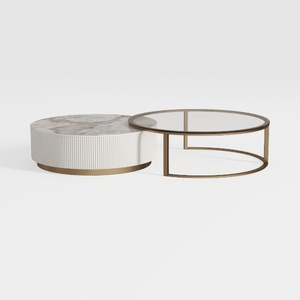

coffee table
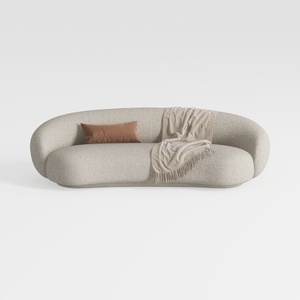
Meridian Furniture 693Cream-L Hyde Collection
Discover Homestyler, your ultimate online home design platform! With an easy-to-use design tool, stunning 3D renderings, and a treasure trove of DIY video tutorials, it's perfect for transforming your vision into reality—whether you're a seasoned designer or just starting out!
立即免费设计
































