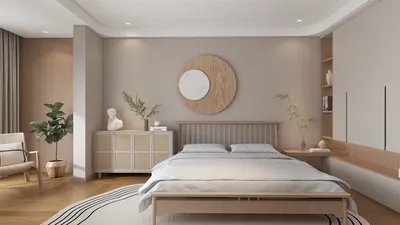


I will always remember the time when a client requested their basement to be transformed into a stylish café. However, I painted their cherished accent wall without addressing the underlying damp issue, leading to flaking paint within just a few months. This experience instilled in me the importance of prioritizing waterproofing before diving into design. When planning for a basement makeover, I frequently utilize sketches and free floor plan ideas to ensure that moisture control measures align effectively with the overall room design, and tools like Homestyler help visualize these concepts before implementation.
Choosing the Appropriate Waterproof Paint
It's essential to recognize that not all waterproof paints perform equally — epoxy and elastomeric masonry coatings have distinct characteristics. I personally prefer breathable masonry waterproofers for older concrete surfaces, as they allow any trapped moisture to escape. Conversely, epoxy paints are ideal for finished basements where a durable, washable finish is needed.
Advantage: both options effectively mitigate capillary moisture issues and conceal efflorescence. However, a notable drawback of epoxy is that it can trap moisture if the walls are not adequately dried beforehand, making it crucial to select the correct formula based on specific conditions.
save pin
Preparing Like a Professional: Clean, Repair, and Prime
My motto is that preparation accounts for 70% of successful outcomes. I use a wire brush, followed by a mild acid wash or trisodium phosphate to tackle stubborn salts, patching up cracks with hydraulic cement, and then applying a high-quality masonry primer to ensure better paint adhesion.
Though this process can be messy and time-consuming, skipping it leads to rapid paint failure — a lesson I learned from a budget project years ago.
save pin
Brighten Up Dark Basements with Color and Sheen
Basements typically lack natural light, so it’s beneficial to select light, warm neutral tones along with a satin or eggshell sheen to enhance reflection while minimizing the visibility of imperfections. I sometimes opt for a higher sheen on the lower half of the wall to create a washable band, which is particularly useful in high-traffic areas prone to scuffs.
Tip: If you want to visualize how color and brightness can transform your space, consider using AI design tools or mood boards, such as those available with Homestyler, to preview potential outcomes before making a decision. This approach can save both time and money by reducing the need for repainting.
save pin
Integrating Paint with Drainage and Sealants
Remember that waterproof paint acts as just one level of defense; it is not a remedy for every issue. If you encounter active leaks or hydrostatic pressure, be prepared to incorporate external drainage, interior drain channels, or targeted sealants along with your paint application.
Benefit: Combining paint with seals and a routed drainage channel can provide years of protection with minimal disruption. The challenge is that these more extensive measures may come with a higher cost, but they prevent continual cosmetic repairs in the long run.
save pin
Ongoing Maintenance, Ventilation, and Care Strategies
Once the painting is complete, it’s crucial to manage humidity by using a dehumidifier, ensuring proper ventilation, and conducting seasonal wall inspections to catch new stains or soft spots early. Addressing small cracks promptly is far easier than dealing with issues like mold or rot later on.
For effective layout and storage planning that protects painted surfaces, I frequently create 3D basement layouts using tools like Homestyler to prevent moisture accumulation against walls by ensuring that shelves and appliances are correctly positioned.
save pin
Frequently Asked Questions (FAQ)
Q1: Which types of paint are ideal for basement walls?
I recommend breathable masonry waterproof paints for older concrete substrates and epoxy paints for finished basements that are well-controlled for moisture, selecting based on whether the walls should expel or allow moisture to escape.
Q2: Can waterproof paint resolve active leaks?
Unfortunately, waterproof paint cannot entirely stop active leaks or hydrostatic pressure; it can help mitigate seepage and protect surfaces, but structural or drainage solutions must be addressed first.
Q3: What steps should I take to prepare a damp basement wall for painting?
Make sure to clean off salts and mildew, repair cracks using hydraulic cement, allow the walls to dry thoroughly, and apply a masonry primer. Proper preparation is vital to avoid peeling or paint failure.
Q4: Is there an economical route for waterproofing?
Absolutely—begin by cleaning, patching, using a quality masonry primer, and applying a breathable waterproof paint; this method can be effective against minor dampness but may not suffice for severe water intrusion scenarios.
Q5: How often should I repaint basement walls?
With adequate preparation and ventilation, you can expect a repaint interval of 5 to 10 years, depending on moisture exposure. Regular annual inspections and touch-ups can help prolong the lifespan of your work.
Q6: Will waterproof paint prevent mold?
While waterproof paint can help reduce surface moisture, mold prevention largely depends on managing humidity levels and rectifying any leaks. According to the U.S. EPA, effective moisture control remains the foremost strategy for preventing mold growth.
Q7: Is it feasible for me to apply waterproof paint myself?
Most homeowners can undertake this project, though success hinges on the preparation, selection of the right product, and application conditions. If uncertain, consulting a professional for advice and product testing is a wise choice.
Q8: Is special ventilation necessary in sealed basements post-painting?
Yes, sealed areas tend to trap humidity. It’s essential to run a dehumidifier and maintain adequate airflow to ensure paint cures properly and that walls remain dry over time.
save pin
Homestyler is your go-to online home design platform, perfect for anyone looking to transform their space. With its user-friendly design tool, stunning 3D renderings, and a wealth of design projects and DIY video tutorials, you can effortlessly create your dream home—no experience needed!
تصميم الآن مجانا
































