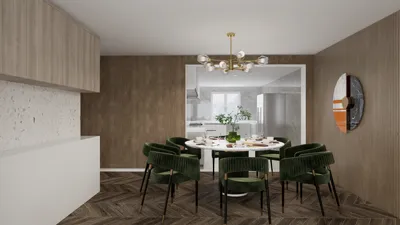


There was an instance when I persuaded a client that incorporating mustard yellow into their compact living room was essential. They trusted my judgment, but I mistakenly mixed the wrong finish. This led to a memorable midnight repaint session accompanied by pizza and heartfelt apologies. This experience illuminated the fact that achieving success with color is not solely dependent on the hue but also on the interplay of light, finish, and arrangement. When devising a warm and inviting design, I often utilize an interactive platform like Homestyler to visualize how various tones and shadows interact before applying paint to the walls.
1. Soft Terracotta + Cream Trim
Terracotta is a favorite of mine because it exudes warmth while remaining light. When coupled with cream trim, it enhances the room's airy quality. This combination instantly brings intimacy and pairs wonderfully with natural wood accents, but be cautious as it can feel overwhelming in north-facing spaces—counteract this by using lighter upholstery or shiny metallic touches.
save pin
2. Warm Greige with Almond Accent Wall
Greige stands out as an understated yet sophisticated choice. It’s warm, elegant, and accommodating. Introducing an almond accent wall infuses subtle depth without compromising brightness; this budget-friendly approach can revitalize an entire room with just one accent, but be mindful of the potential for clashing undertones with existing flooring.
save pin
3. Muted Olive + Soft Gold Accessories
Muted olive evokes a cozy, mature ambiance and pairs beautifully with soft gold details, like hardware and lamp shades. I once applied this color scheme in a rental living room to elevate less expensive furniture; it was successful as the olive tone concealed smudges, and the gold added a lift to the color scheme. When planning, I often refer to AI interior design examples, like those from Homestyler, to see real-world applications before finalizing any paint choices.
save pin
4. Dusty Rose with Warm Gray Ceilings
Dusty rose offers an unexpectedly soothing vibe and, when paired with a warm gray ceiling, creates a cocooning atmosphere. This color combination is ideal for fostering a soft, lived-in feel but can seem overly feminine in certain settings—achieve balance with leather or matte black accents for a bold touch.
save pin
5. Honey Beige + Deep Charcoal Trim
Honey beige brightens the room, while deep charcoal trim provides a framed effect around windows and doors. This pairing works well in smaller rooms needing contrast without darkening them; the key challenge lies in the precision required for painting trim, so prepare for additional effort or consider professional help. If reorganizing adjacent areas, I sometimes draw kitchen design inspirations from Homestyler to ensure smooth transitions between spaces.
save pin
FAQ
Q1: Which warm paint families work best for compact living rooms?
I typically suggest soft terracotta, greige, and honey beige shades, as they bring warmth without making spaces feel confined. Opt for colors that contrast minimally with trim to create a sense of openness.
Q2: How can I effectively test a paint color at home?
Always apply two large swatches on separate walls and observe them under both morning and evening light. The finish is crucial—different sheens, like eggshell versus matte, can alter the appearance significantly.
Q3: Do warm colors shrink the look of my room?
Not necessarily; warm neutral hues can create a cozy yet expansive feel if complemented with appropriate lighting and trim colors. Deep, warm shades can foster intimacy, which is often desirable in smaller spaces.
Q4: Which finishes are optimal for creating a cozy atmosphere in living rooms?
Matte and eggshell finishes are my top picks as they diffuse light and conceal imperfections, contributing to a soft, inviting look. While high gloss can add contrast to trims, it should be used sparingly.
Q5: What strategies can I employ to harmonize furniture with warm wall colors?
Incorporate a variety of textures—wood, woven materials, and a hint of metal— to create balance and contrast. If unsure, select one or two accent colors from a rug or artwork to repeat in cushions, enhancing cohesion.
Q6: Are there universally trusted warm paint colors?
Brands like Sherwin-Williams offer curated palettes which translate well under various lighting conditions (check Sherwin-Williams recommendations). I still conduct tests in the actual space as each room has its unique characteristics.
Q7: What can I expect the cost of repainting to be?
Costs differ, but for a small living room, expect budget-friendly DIY efforts to be significantly less expensive than hiring professionals; remember to allocate extra budget for primer and labor if shifting from dark to light colors. I advise clients to reserve 10–20% extra for any unforeseen needs.
Q8: Can a fresh coat of paint alone alter the room's ambiance, or do I need to change the furniture as well?
Paint is an effective and economical way to shift the mood of a space; a new accent wall, enhanced lighting, and a few fabric additions can significantly transform an area without the need for new furniture. I frequently advocate for rearranging existing pieces—adjustments in color plus layout can produce impressive results.
save pin
Discover the ease of home design with Homestyler! This user-friendly platform offers a powerful online design tool, stunning 3D renderings, and an array of inspiring design projects and video tutorials. Perfect for anyone looking to transform their space effortlessly!
Дизайн сейчас бесплатно
































