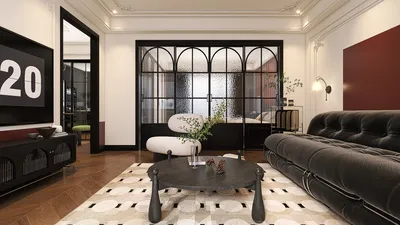


I once worked with a client who wanted their living room to evoke the feeling of "sun-warmed sand, but not beige-boring"—a unique and enjoyable challenge. After a weekend spent testing various swatches on three walls and observing how the light changed throughout the day, I discovered how accommodating warm beige can be when using tools like Homestyler to preview palettes in 3D.
1. Creamy Almond — the classic neutral
Creamy Almond is my go-to choice when clients desire warmth sans yellow saturation. In dim lighting, it appears soft and spacious, especially when coupled with ivory accents. The advantage is its versatility and calming nature; however, it can seem flat if texture is absent—incorporate soft throws or matte wood elements to counter this.
save pin
2. Greige Glow — modern warmth with character
Greige Glow, a fusion of gray and beige, delivers a contemporary vibe while maintaining warmth. I applied it in an urban apartment to ground metal fixtures and it made the artworks stand out beautifully. It pairs well with various furniture finishes, although pinpointing the right undertone often necessitates swatching on all four walls under natural light.
save pin
3. Sandy Taupe — infusing natural texture
Sandy Taupe mimics the essence of warm sand and pairs wonderfully with materials like rattan, jute rugs, and greenery. If you're looking to conceptualize your furniture layout before making a decision, I recommend using Homestyler to scale the room on-screen, allowing swatches and placements to seem realistic. A small challenge: darker tan tones can make a small space feel cozier—which is lovely unless you want to create an illusion of more space.
save pin
4. Honeyed Beige — warmth with golden undertones
Honeyed Beige provides a gentle glow at both dawn and dusk, making it ideal for a lived-in, welcoming atmosphere. I incorporated it into a cottage-style living room and it beautifully softened the contrasts between white moldings and reclaimed wood beams. Be cautious with incandescent bulbs as they may enhance the gold shades—consider using LED lights with a warm Kelvin rating for balance.
save pin
5. Soft Taupe with Accent — adaptable and contemporary
Soft Taupe functions like a neutral chameleon, altering its appearance based on accent colors. For a creative design twist, choose Soft Taupe and incorporate a deep charcoal or navy accent wall to ground your sofa. If time is limited, you can quickly explore color pairings using Homestyler’s AI suggestions, which streamline your choices, but remember to verify with physical swatches.
save pin
Tips 1:
Cost-saving tip: sample peel-and-stick swatches are budget-friendly and prevent major headaches. When uncertain, paint a 2x3 foot section on each wall and monitor it throughout the day; lighting and surrounding elements make a significant difference.
save pin
FAQ
Q1: How do I select the correct warm beige undertone?
Assess the room at various times of day and position swatches next to your largest fixed piece (like the floor or sofa). Warm beiges can lean toward yellow, pink, or gray, so find an undertone that complements your current finishes.
Q2: Will warm beige make a compact living room appear smaller?
Not necessarily—lighter warm beige can open up a space, while deeper beiges add a sense of coziness. Utilize lighter ceiling paints and reflective surfaces to maintain an airy feel if limited space is a concern.
Q3: What trim color pairs best with warm beige?
Crisp white trim offers a striking contrast and a fresh aesthetic; off-white or cream trims create a gentler, vintage ambiance. I typically ask clients whether they prefer a modern, crisp look or a warmer, more blended appearance before making selections.
Q4: How significantly does light influence beige paint?
Extensively—natural light can either soften or enhance a beige’s appearance. Rooms facing north often require warmer undertones, while south-facing areas can accommodate cooler greiges. Always evaluate swatches in the specific lighting of the room.
Q5: Can I combine warm beige with cool accents?
Absolutely—muted blues or slate grays can create an elegant contrast. The key is to maintain low saturation so that the cooler tones serve as accents without clashing.
Q6: Are there established guidelines regarding light and paint color?
Indeed—paint manufacturers like Sherwin-Williams provide insights on how light affects color perception. For detailed technical information, refer to Sherwin-Williams’ resources on color and light.
Q7: How many paint samples should I evaluate?
Aim to test at least three potential shades on different walls. I usually suggest a lighter, a mid-range, and a slightly warmer option to compare variations throughout the day.
Q8: Should I assess furniture against the paint or choose paint to complement furniture?
Either method is valid, but practically, I often select paint to align with the largest immovable element—usually the flooring—then adjust accessories accordingly. If you have a statement sofa, remember to bring along a fabric swatch when finalizing paint choices.
save pin
Homestyler is your go-to online home design platform! With its user-friendly design tool, stunning 3D renderings, and a wealth of design projects and video tutorials, you can effortlessly create and visualize your dream spaces. Start your home makeover journey today!
Diseño ahora GRATIS
































