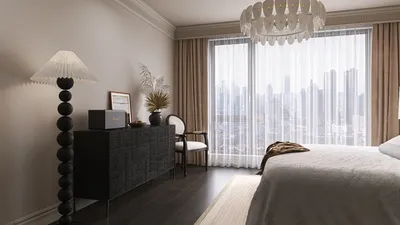


I've always appreciated the sleek and sophisticated appearance that a wall-mounted headboard lends to a bedroom. This design not only visually centers the bed but also safeguards the wall while enhancing lighting and sound quality, minus the bulkiness of traditional bed frames. A well-designed headboard can significantly enhance both the dimensions of the room and the overall comfort of sleep.
In addition to visual appeal, the design of sleep spaces should be deliberate. Research from Steelcase indicates that adjustments in the environment can lead to notable changes in comfort perception in workplace environments; similarly, principles of ergonomics, lighting, and sound management are essential for creating restful spaces at home. The WELL Building Standard (WELL v2) suggests maintaining low light levels at night and reducing glare to align with natural circadian rhythms, while warm color temperatures (2700–3000K) foster relaxation. The Illuminating Engineering Society advocates for controlling brightness ratios to alleviate eye strain, which means that indirect lighting around a headboard can effectively minimize harsh contrast and glare in the bedroom.
Color selection plays a crucial role as well. According to Verywell Mind's insights on color psychology, shades of blue and gentle greens are often associated with tranquility, while muted earth tones can instill a sense of security. I have noticed that upholstered or wooden headboards in soft hues achieve two outcomes: they elegantly frame the bed and reduce visual clutter. Coupled with warm, dimmable lighting, any bedroom immediately feels more organized and serene.
Designing Your Wall-Mounted Headboard
Start with proportions. For a queen-sized bed (60 in / 152 cm in width), I generally recommend a headboard width of 62-66 inches to create a balanced look. The height typically ranges from 24-36 inches, depending on ceiling height: lower heights (24-28 in) for ceilings under 8 feet, and taller heights (36-42 in) for high ceilings where a vertical accent is desired. To visualize your layout prior to installation, utilizing a room layout tool like Homestyler can help streamline the process and avoid unnecessary patchwork later on.
Mounting Techniques: Safe and Straightforward
The most straightforward and secure mounting method is using French cleats. Cut or purchase a 45° cleat, affix one section to wall studs (typically 16 inches apart in most homes), then attach the complementary cleat to the headboard. This system utilizes gravity to secure the headboard, distributes weight evenly, and allows easy removal for cleaning or lighting adjustments. For lighter headboards, a continuous z-clip system is also effective. As a last resort, drywall anchors can be used; if studs can't be reached, choose structural anchors rated to support at least 50% more than the total weight. Be mindful of the space needed for pillows and any sconce wiring before settling on your final setup.
Material Selections: Focus on Comfort, Sound, and Sustainability
Upholstery: A core of 1/2 inch plywood accompanied by 1-2 inches of high-resilience foam and breathable fabrics like cotton-linen blends or performance microfiber. Soft upholstery contributes to sound absorption, diminishing the echo often present in bedrooms—ideal for light sleepers.
Wood: Veneers of white oak, ash, or walnut over an MDF base provide warmth and durability. Finish with a low-VOC, waterborne polyurethane to reduce indoor air pollutants.
Cane or rattan: Offers texture and enhances airflow behind pillows; combine with a solid frame for enhanced stability.
Recycled felt panels: Lightweight and easy to pin notes to while also effective in sound dampening—perfect for shared living spaces.
Integrating Lighting without Glare
Incorporating headboard-mounted lighting can create an intentional feel in a small bedroom. Adhere to IES glare control guidelines by selecting indirect, shielded fixtures. I recommend using LED strips mounted within a recessed channel along the top edge to create an upward wash of light (2700-3000K). Include two stylish reading sconces with built-in dimmers positioned 24-28 inches above the mattress, aiming for a gentle task illuminance of around 150-300 lux while minimizing brightness contrast. Use a shallow raceway for cable management; if the headboard is detachable via the French cleat, it makes wiring accessible for any changes down the line.
Color Schemes and Emotional Impact
Select a muted color palette: shades such as slate blue, lichen green, clay taupe, or warm gray. Verywell Mind's exploration of color psychology indicates that cooler tones often promote calmness and focus, while warmer neutrals evoke feelings of warmth and safety. If painting wood, opt for a matte or eggshell finish to minimize shiny reflections. Texture also matters; consider subtle herringbone or bouclé patterns, which help diffuse light and soften the appearance around the bed, mitigating harsh contrasts.
Five DIY Concepts to Create
Construct a modular arrangement of 12 x 24-inch panels arranged in a grid, utilizing z-clips for mounting. The gaps will provide acoustic relief while maintaining a cohesive style. Choose three fabrics within a similar color family to create harmony without overwhelming the senses.
Install 1 x 2 or 1 x 3 slats on a plywood backing, finished in a warm stain. This vertical rhythm can help elongate shorter rooms. Conceal LED strips behind a shallow cap for soft uplighting.
Build a rectangular frame, attach cane webbing, and add a sturdy perimeter to prevent sagging. Cane contributes to airflow and infuses a serene, resort-like atmosphere. Combine this with warm white lighting and soft linen bedding.
Layer recycled PET felt over plywood and wrap the edge-banded sides. It's lightweight, forgiving, and excellent for pinning artwork or reminders. Select a deep, subdued color to anchor the bed.
Flat rails and stiles with inset panels yield clean lines. Integrate a 2-3 inch ledge at the top for books or a small plant; keep any added weight minimal and well-distributed along the studs.
Ergonomics and Human Considerations
Comfort hinges on pillow support and the leaning angle of the headboard. Upholstered designs benefit from a slight tilt—angle the top outward by 2-3 degrees using tapered spacers. For situations where reading is common, position sconces so their centerline aligns about 20-24 inches above the top of your pillow stack, thus keeping light from shining directly into your eyes. In shared beds, provide each side with independent controls and dimmers to accommodate varying circadian needs, as suggested by the WELL v2 standards.
Acoustic and Privacy Factors
Soft materials like upholstery help to mitigate the echo common in hard-walled bedrooms. If you live near a busy road or corridor, adding a felt or upholstered headboard can bring a notable sense of peace. Complement this with heavy curtains and a rug to create a well-rounded acoustic environment, preventing any overly silent corners that can feel lifeless.
Installation Checklist
- Identify wall studs and mark a straight line.
- Pre-drill holes for the cleat; use suitable lag screws into the studs.
- Perform a test fit of the headboard; ensure there's adequate space for sconces and proper cable routing.
- Add felt pads to the lower corners to protect the wall from scuffs.
- Adjust dimmer settings and confirm there are no glare issues with any lighting fixtures.
Budget and Timeline
Most projects can be completed over a weekend. Anticipate spending between $80–$250 on materials for upholstery or felt, and $150–$400 for solid wood or slatted designs according to the type of wood chosen. For lighting, budget around $40-$150 per side for quality dimmable fixtures and channels. If you're renting, consider lightweight, modular designs that allow minimal wall repairs when moving.
Maintenance and Durability
Regularly vacuum upholstered surfaces to keep them clean; use fabric-safe solutions for spot cleaning. Wooden headboards benefit from an annual wipe down and an occasional application of low-VOC finish for maintenance. Expect some compressing in foam over the years; replace the batting as necessary to maintain loft. Check all fasteners annually, as wood can shift and bedding wear can loosen hardware over time.
Reference Material
For guidance on optimal light exposure and behavior, consult the WELL v2 overview. For recommendations regarding lighting practices and glare mitigation, refer to standards set by IES. Further insights into color behavior can be found through Verywell Mind's resources on color psychology.
Frequently Asked Questions
Q1: What height should I aim for when mounting a wall headboard?
A: Aim for a height of 24-36 inches above the mattress, adjusting based on ceiling height and your preference for visual impact. Taller ceilings can accommodate headboards up to 42 inches.
Q2: What mounting method is the safest?
A: Utilizing French cleats secured into wall studs offers a solid, removable support system, evenly distributing weight efficiently.
Q3: How can I prevent glare from lights mounted on the headboard?
A: Employ indirect LED strips equipped with diffusers and warm correlating color temperatures (2700–3000K). Position fixtures away from direct sight lines, and incorporate dimmers.
Q4: Which colors are best for promoting a sense of calm?
A: Muted blues, greens, and warm neutral tones are all effective in creating a relaxing atmosphere, as reported by Verywell Mind's exploration of color psychology.
Q5: What types of materials enhance bedroom acoustics?
A: Materials such as upholstery, felt, and textured fabrics assist in sound absorption; combine these with rugs and curtains for a harmonious acoustic environment.
Q6: Is it possible to incorporate shelves into a headboard?
A: Yes, provided that the loads are kept light and the shelf fasteners can transfer weight into the studs or the cleat securely.
Q7: What width should my headboard have in relation to my bed?
A: Generally, it should be 2-6 inches wider than the mattress for a balanced appearance. For queen beds, widths of 62-66 inches work well.
Q8: What’s the best approach for renters?
A: Opt for lightweight panels fixed with z-clips, endeavor to hit studs when possible, and consider adjustable designs to minimize wall repairs later.
Q9: Are built-in reading lights worth adding?
A: Definitely—well-placed task lighting can vastly improve comfort and alleviate eye strain. Follow IES guidelines on luminance control and use individual dimmers for optimal effect.
Q10: How can I keep my headboard clean?
A: Perform monthly vacuuming on fabric, clean spills promptly with appropriate solutions, wipe wood with a damp cloth, and check hardware components every year for maintenance.
Homestyler is your go-to online home design platform, perfect for anyone looking to create stunning interiors. With its user-friendly design tool, immersive 3D renderings, and a wealth of inspiring design projects and video tutorials, transforming your space has never been easier or more enjoyable!
Design jetzt kostenlos
































