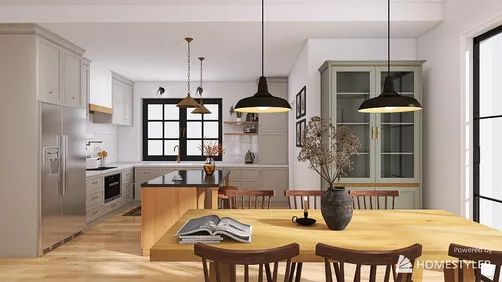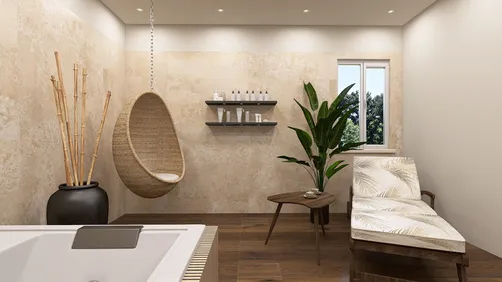



Wall decals are a fantastic way to instantly infuse your space with personality, all without the mess of traditional painting. I often use these decals to explore daring designs—whether it's playful graphic bands, elegant botanical silhouettes, or inspiring typographic quotes—before I decide on permanent finishes like paint or millwork. The beauty of removable vinyl is that it allows you to easily refresh a room according to seasonal trends or evolving design preferences. In compact spaces, a strategically placed decal can serve as a captivating focal point, effectively anchoring furniture and artwork while keeping surfaces spotless.
Beyond their decorative appeal, wall decals can also enhance comfort and wellbeing. The WELL v2 framework emphasizes the impact of visual elements on our moods and mental recovery. Thoughtful color choices and biophilic designs can create a calming atmosphere when applied correctly. According to Gensler’s research on workplaces, environments that are visually stimulating and adaptable often lead to increased employee satisfaction and performance. By incorporating flexible graphics, you can create a more dynamic space without a huge expense. For color selections that influence emotions, studies highlight how cooler tones reduce stress and warmer shades can invigorate; thus, incorporating soft greens and blues in tranquil spots like bedrooms, while opting for brighter tones like mustard or terracotta in creative areas, strikes a balance. For more insights on the intersection of design and health, check out wellcertified.com and delve into color psychology at verywellmind.com/color-psychology.
Design Principles for Wall Decals
I approach decals as if they were layered pieces of art. Begin with a clear objective: guide sightlines, define a cozy seating area, or establish rhythm in a corridor. Decals are most effective when they harmonize with the existing architectural features—make sure they align with door headers, window frames, and furniture height. This way, the design feels cohesive rather than simply tacked on.
Scale, Proportion, and Visual Balance
Select a scale that relates to the dimensions of the room. For instance, vertical designs elongate narrow hallways, whereas horizontal stripes can make low-ceiling areas feel wider while directing the eye at a constant level. A useful rule is to cover no more than 30-40% of a single wall with decals unless you're aiming for a mural effect. It’s essential to mirror existing proportions; for example, a sofa that measures 72 inches pairs nicely with a 60-70 inch graphic placed approximately 6-8 inches above the back cushion. Ensuring negative space around the decal prevents a cluttered look; this breathing room creates the illusion of a thoughtfully designed graphic rather than one simply added for decoration.
Color Psychology and Light
When choosing colors, consider the quality of light in the room. Spaces that face north can seem cooler, so incorporating warmer decal hues can help balance the palette. Conversely, south-facing rooms, which receive substantial natural light, can accommodate richer tones. Adjust color saturation based on the functionality of the space: soft neutrals and muted greens can foster concentration, while vibrant reds are suited for short bursts of creativity. Don't forget the importance of nighttime readability; glossy vinyl may cause glare under focused lights, so opt for matte or satin finishes for maintaining visibility in ambient lighting between 300-500 lux, ideal for living spaces. When adding decals near screens, be cautious with contrasting colors behind displays to minimize visual fatigue.
Placement Strategy: Walls, Corners, and Doors
Decals can bring visual interest to often-overlooked surfaces. Consider wrapping a motif around an inside corner to merge two walls into a cohesive design. Framing doors with sleek vertical bands can introduce a welcoming effect. For a gallery wall, start with a light geometric grid decal; this helps arrange frames neatly and maintain even spacing without the hassle of measuring every nail.
Layout Planning Made Simple
To effectively choreograph decals with your furniture arrangement, I recommend sketching a quick plan to visualize sightlines and scale before you start adhering. If you're aiming to create realistic layouts while avoiding repositioning challenges, utilizing a room design visualization tool like Homestyler can aid you in setting up furniture, wall elevations, and decal placements with precision. This foresight reduces material waste and aligns patterns with trim and electrical switches.
Materials, Adhesives, and Sustainability
Most decals consist of PVC vinyl with pressure-sensitive adhesive. For improved indoor air quality, seek out options that use low-VOC inks and are phthalate-free. Fabric-based decals made from polyester weave provide a softer matte appearance and adhere well to lightly textured surfaces. If sustainability is a key concern, select brands that openly share their material safety data and offer recyclable backing. Be mindful not to apply decals on fresh paint; allow a minimum of two weeks for curing, and always test a small area first to ensure proper adhesion and easy removal.
Preparation is paramount when applying decals, often more critical than even the fanciest designs. Start by cleaning the surfaces with mild soap, rinsing, and thoroughly drying; avoid strong cleaners that could hinder adherence. While adhesion is generally reliable on eggshell and satin finishes, flat matte paints may resist bonding. In kitchens and bathrooms, ensure you choose decals designed to handle humidity and wipeable inks, and keep them at least 6 inches away from high-heat sources.
Ergonomics and Behavioral Cues
Graphics can heavily influence movement and space utilization. A subtle chevron pattern can guide foot traffic in open studios, while a calming botanical design behind a bed can create a defined relaxation zone. In children’s areas, position installations lower (24–36 inches from the ground) to coincide with their eye levels, fostering engagement without overwhelming shared sightlines. In home offices, consider reducing the density of decals in direct sightlines from the computer screen to alleviate cognitive load; instead, move bold patterns to the backdrop or opposite walls to enhance depth without causing distractions.
Acoustics and Texture Considerations
Although decals themselves do not absorb sound like acoustic panels, they can disrupt expansive reflective wall surfaces, slightly diffusing treble frequencies. Combine decals with soft furnishings—like rugs and curtains—to achieve a comfortable reverberation time in compact areas. For stairways and entrance halls that tend to echo, consider adding subtly lined graphics alongside fabric runners and upholstered seating to visually and functionally control echoes.
Installation Techniques I Trust
Before installation, double-check your measurements. I recommend using painter's tape as a guide for leveling, followed by the hinge method: secure the decal with low-tack tape, peel back half of the liner, and use a squeegee from the center outward with a felt-edge tool to finalize the application. For textured surfaces, gently warming the surface with a hairdryer can improve conformity. When dealing with multi-part compositions, label the sections and map registration marks to keep your design uniform across the wall.
Styling Ideas for Different Rooms
Living Room: Large organic line art as a backdrop behind the sofa for a grounding effect. Bedroom: Soft arch designs that cradle the headboard and soften stark corners. Entryway: Tall typographic welcomes in alignment with door height for a striking first impression. Kitchen: Subtle geometric patterns as backsplash accents in non-splash areas. Nursery: Gentle animal silhouettes that create visual interest without overstimulation. Studio: Bold color blocks on a single wall to ignite creativity without overwhelming the work environment.
Maintenance and Refresh Cycles
Regularly dust your decals with a microfiber cloth. Steer clear of abrasive cleaning products. When it’s time to remove a decal, warm it gently and peel at a 45-degree angle to protect the underlying paint. Plan for seasonal updates—swap warm tones in autumn for cooler colors in spring to keep the ambiance fresh without undergoing a full furniture overhaul.
FAQ
Eggshell and satin finishes generally provide reliable adhesion and straightforward removal. Semi-gloss options are effective but may create more glare; flat matte may not bond well, so fabric decals are preferable or testing a sample is recommended.
High-quality removable vinyl should come off cleanly when you warm the decal and peel it at a shallow angle. Wait at least a fortnight after painting before applying decals to avoid lifting the fresh paint.
To achieve a tranquil atmosphere, use muted colors and keep contrasts modest. Cool greens and blues help maintain calm; reserve vibrant hues for smaller accent pieces instead of entire wall applications.
Yes, decals designed for moisture resistance and printed with wipeable inks work well in kitchens and bathrooms. Just keep them away from direct steam and significantly heat sources like stoves.
For a sofa, position the graphic approximately 6-8 inches above the cushion’s top. For headboards, allow the decal to overlap or frame the structure with a 2-4 inch margin for a polished finish.
Consider visualizing the layout on a wall elevation. Using a digital room design visualizer like the one offered by Homestyler, you can scale furniture, establish eye levels, and preview decal placements prior to making a purchase.
Decals do maintain visibility well. Matte or satin finishes minimize glare, keeping patterns easy to read under typical household lighting. Glossy finishes may appear sharp, but they can reflect downlights and distract.
Opt for low-VOC, phthalate-free materials and install designs at child-friendly heights (24-36 inches). Avoid small, peelable elements within reach of toddlers.
While they won’t function as sound-absorbing panels, strategically placed decals can break up large reflective surfaces and slightly diffuse high frequencies. Combine these with soft materials for enhanced comfort.
Use painter’s tape to mark a level line, apply using the hinge method, and smooth from the center outward. Work in sections for larger designs, and label parts of multi-part decals for precise alignment.
Built on technology originally developed at Autodesk, Homestyler empowers anyone to design beautiful, realistic spaces in minutes. Join over 20+ million registered users (platform data, 2026) who have already discovered a smarter way to plan, visualize, and bring their dream homes to life — all from the comfort of a browser.
Homestyler is your go-to online platform for home design! With its user-friendly design tool, stunning 3D renderings, and a wealth of creative design projects and video tutorials, you can effortlessly transform your decorating ideas into reality. Start designing your dream space today!
Design Now for FREE













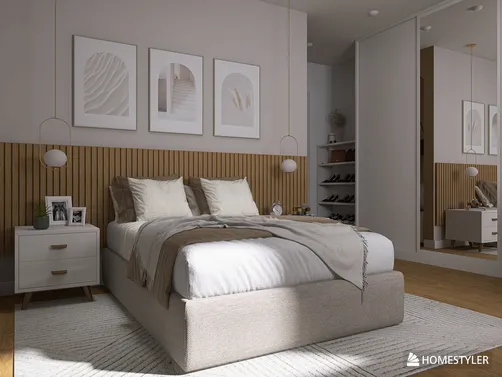




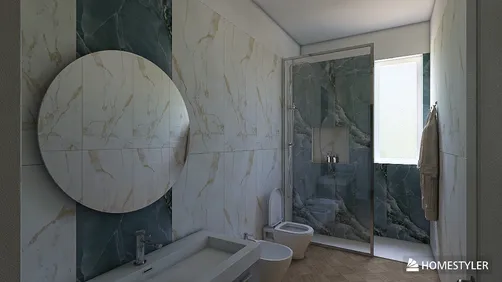



![[For my dearest Sabrinik 🧡]](https://hs-designs.homestyler.com/production/design/images/3f463715-5ed6-4c49-9346-16d464510aa6/1714085722568.jpg?x-oss-process=image/resize,w_502,m_mfit/format,webp)


![[14]](https://hs-designs.homestyler.com/production/design/images/2026-09-12/aa817543-bb43-4f3a-9583-2b2473af620f/1789226165872/10757139.jpg?x-oss-process=image/resize,w_502,m_mfit/format,webp)