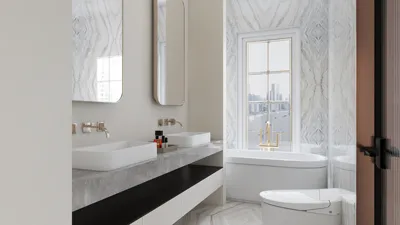


Wall decals are a favorite of mine due to their ability to create immediate impact with minimal hassle. When executed correctly, they serve as versatile elements for storytelling, featuring graphics, patterns, and typography that can rejuvenate a space without the need for repainting or extensive renovation. The secret lies in combining visual appeal with practical ergonomics, an understanding of lighting, and meticulous surface preparation to achieve a polished, lasting result. Incorporating tools like Homestyler can elevate the design process.
Decals can subtly enhance navigation and spatial clarity. According to research by Steelcase, strategically designed visual elements can alleviate cognitive load, aiding user navigation and focus; their findings from 2023 link environmental clarity to enhanced performance and well-being. Lighting plays a crucial role as well; the IES recommends that typical living areas should receive approximately 100–300 lux, while work zones often require more. Decals appear sharper under well-balanced ambient lighting and low-glare accent illumination. For workplace wellness, WELL v2 standards emphasize controlling glare and achieving comfortable luminance ratios to minimize visual fatigue—important aspects to consider when positioning high-contrast graphics near work areas.
Design Intent: Establish a Clear Narrative
Every effective decal is born from a narrative. I begin by defining the spatial intention—whether it’s calming, energizing, playful, or focused—and identifying the behaviors the room should facilitate. Understanding color psychology is essential: blues and muted greens foster calmness, while warm, vibrant shades like coral and sunflower stimulate activity in circulation areas. According to Verywell Mind, blue is often linked to stability and productivity, while yellow can enhance optimism when used sparingly. It’s important to balance colors with the existing palette of the room and the color temperature of the lighting; decals may appear less vibrant under warm light below 3000K, while neutral light around 4000K tends to reflect colors more accurately.
Scale, Proportion, and Rhythm
Scale is key to readability. Large-scale designs are ideal for feature walls, while smaller repeating patterns fit well in narrow corridors or alcoves. I uphold a visual rhythm through consistent modules (for instance, a 6–8 inch repeat) and maintain adequate spacing: 4–8 inches from corners, 2–3 inches around switches and outlets, and ensure a clear baseline alignment. For typographic decals, a cap height of 2.5–3 inches is legible from 6–8 feet away, while wayfinding elements or quotes may extend to 4–6 inches for emphasis. Human factors should also be considered: avoid placing high-contrast visuals at eye level within focus areas as they may distract from tasks.
Material Selection: Types of Vinyl and Adhesives
Most DIY decals are made from removable matte vinyl that features a low-tack adhesive. Matte vinyl is effective in minimizing glare; while glossy finishes can enhance metallic or glass surfaces, they could also lead to unwanted reflections. For textured walls, select vinyl suitable for 'low energy' surfaces. Water-resistant films are beneficial in kitchens and bathrooms, but they should be kept away from direct steam lines. Sustainability is progressing—some manufacturers are now producing PVC-free films and solvent-free inks. Always check for VOC disclosures and conduct a 48-hour adhesion test with a sample square on your wall finish to verify adherence and residual effect.
Surface Preparation and Longevity
Prepare the wall by cleaning it with mild soap and water, then rinse off and wipe down with isopropyl alcohol (70%) to eliminate any oils. Allow paint to cure for at least 14 days prior to applying the decals; freshly painted, low-VOC surfaces may release gases and compromise adhesion. Lightly sand heavy orange-peel textures, then apply primer to diminish micro-shadows that can disrupt decal edges. In busy areas, I often use a clear, removable protective laminate to guard against scuffing while sustaining a matte appearance.
Lighting and Glare Management
The visibility of decals can vary greatly with lighting conditions. Under direct spotlights, glossy films can produce a blooming effect, whereas matte finishes handle beam angles of 20–40° with greater ease. It’s beneficial to introduce diffused ambient light to mitigate harsh contrasts. When integrating reflective metallics, ensure they are positioned away from screens and workstations to maintain visual comfort. For your reference, WELL v2 guidelines focus on glare reduction and achieving balanced illumination across the work area—this principle is applicable to graphic designs near desks or reading areas. In living rooms, aim for around 100–300 lux ambient lighting as advised by IES, layering accent lights to enhance the decal without creating hotspots.
Planning Layout and Creating Mockups
I always sketch a scaled mockup for decal placement and consider sightlines from both seated and standing perspectives. If you're experimenting with arrangements around furniture or door swings, using a room layout tool such as Homestyler can facilitate iterations and enable you to visualize spacing with impressive accuracy down to the millimeter.
Application Technique: Ensuring a Neat Installation
A professional application distinguishes itself from an improvised one. Start by marking a level datum line, and use low-tack painter's tape to secure the decal. Gradually peel the liner, burnishing from the center outward with a felt squeegee to prevent micro-bubbles. When applying multi-part graphics, align elements using tape guides and a light pencil grid. If bubbles persist, a micro-pin puncture followed by careful smoothing can help. Maintain a room temperature of 65–75°F during installation for optimal adhesion.
Edge Conditions, Obstacles, and Layering Techniques
Take into account outlets, switches, baseboards, and trim. Instead of cutting around edges, aim for neat terminations of modules while sustaining visual rhythm. Layering can introduce depth—begin with a neutral base pattern, and then overlay accent shapes at a 20–30% scale difference. When mixing finishes, keep glossy accents below eye level to minimize glare effects.
Maintenance and Removal Techniques
For cleaning, utilize a damp microfiber cloth along with mild soap; avoid using abrasive materials. To remove decals, gently warm them with a hairdryer and peel them off at a 45° angle. If any residue remains, citrus-based adhesive removers can assist, followed by an alcohol wipe. You may need to repaint areas on older paint finishes; always conduct a small test first to assess the potential for pull strength.
Cost and Time Management: Smart Budgeting
DIY decals are a budget-friendly alternative to full room repainting. A modest feature wall may require between $30 and $120 worth of vinyl, along with tools (squeegee, level, tape) costing under $25. Consider the time required: planning and mockups typically take 1–2 hours; installation may range from 1 to 3 hours depending on complexity. When dealing with multi-colored layers, it’s best to cut and prepare each color separately to minimize errors.
Considerations for Safety, Ergonomics, and Accessibility
Be mindful of reach ranges and pathways. Position essential visuals between 28 and 80 inches for optimal readability, while ensuring clear floor space at doorways for circulation. In children's areas, utilize rounded shapes and avoid small, detachable elements that could be dangerous. For office setups, aim to minimize mid-field contrast near work zones to protect visual ergonomics.
Trending Designs for 2024-2025
The trend in decals is shifting towards softly layered geometric shapes, botanical themes featuring muted greens, and large typographic designs in condensed fonts. Color palettes comprising neutrals with a single vibrant accent render rooms versatile. Additionally, metallic inks and textured films are gaining popularity; when incorporating these, balance them with matte surroundings to avoid glare and visual distraction.
Design Checklist
- Define the narrative and intended behavioral outcomes of the space.
- Select between matte and gloss finishes according to the lighting.
- Assess color psychology against intended use (calm versus energizing).
- Create scale models, plan spacing, and sightlines effectively.
- Thoroughly prepare surfaces and conduct sample tests.
- Implement the hinge method during application and utilize a felt squeegee for smooth results.
- Strategize for maintenance and reversible removal when necessary.
FAQ
Calculate the visible wall field and maintain margins of 4–8 inches from corners and trim. Feature walls suit larger formats, while narrow corridors or niches are better for smaller repeats. Typography should vary from 2.5 to 6-inch cap heights based on viewing distances.
Removable vinyl most often leaves no residue if the paint is completely cured (at least 14 days). Gently warm the decal before peeling at a 45° angle. Testing a 2x2 inch sample first will help determine adhesion and potential residue issues.
Absolutely. Under the advised IES ambient levels (approximately 100–300 lux for living spaces), matte decals maintain an even appearance. Glossy materials may produce glare when subjected to focused downlights; diffusing ambient light can mitigate hotspot concerns.
Desaturated blues and greens provide a reliable calming effect. According to Verywell Mind, blue symbolizes stability and focus; combine with neutral lighting (around 4000K) to prevent warm tones from skewing perception.
Smooth surfaces like eggshell or satin are ideal. Light orange-peel textures can work with high-tack removable vinyl, but heavy textures may compromise the edges of the decals. Priming and sanding may also be necessary.
Certainly. Clear visual signals enhance spatial coherence; Steelcase's research connects spatial readability to better task focus. Implement consistent color coding and controlled contrast to achieve a harmonious environment.
Establish a pencil grid and use painter’s tape to create hinges. Register layers using small alignment markings, beginning with base shapes and following with accent components.
Indeed, these options help lessen environmental impact and typically feature solvent-free inks. Always verify removability and test adhesion, particularly on low-VOC surfaces.
Utilize the hinge application technique, burnishing from the center outward with a felt squeegee, and work with small sections. For unavoidable bubbles, use a micro-pin and smooth carefully.
Yes, with water-resistant films positioned away from direct steam or heat sources. Be sure to clean surfaces thoroughly and anticipate shorter lifespans in humid conditions.
What began as an Autodesk innovation has evolved into a design platform used by more than 18 million people around the globe. Homestyler combines powerful rendering, an intuitive editor, and a vast furniture library to help you turn inspiration into photorealistic designs — whether you're redesigning a single room or planning an entire home.
Discover the ease of home design with Homestyler! This user-friendly platform offers a robust online design tool, stunning 3D renderings, and an array of inspiring design projects. Plus, with helpful DIY video tutorials, transforming your space has never been more enjoyable or accessible!
Projete agora para LIVRE
































