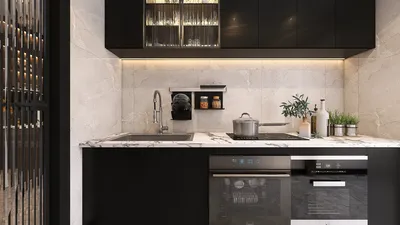


For the past ten years, I've been leading clients in creating vintage spaces that embody a sense of warmth and sophistication. The aim isn't merely to evoke nostalgia; it's about designing areas that resonate emotionally, utilizing durable materials while maintaining a soothing visual flow. A successful vintage interior harmonizes wear and history with practical uses, establishing a narrative that feels relevant and functional in everyday life.
Effective design can be evaluated with clear metrics. WELL v2 emphasizes the significance of well-adjusted lighting—particularly in managing glare and color accuracy—to enhance visual comfort and overall wellbeing. The Illuminating Engineering Society suggests maintaining 200-300 lux in living rooms, 300-500 lux at kitchen workspaces, and over 500 lux in areas dedicated to tasks (according to IES guidelines). Moreover, research by Steelcase reveals that customized and sensory-rich environments contribute to greater engagement and satisfaction, underscoring the importance of thoughtful texture and significant artifacts in vintage spaces, which can be effectively showcased using tools like Homestyler.
Colors carry substantial psychological implications. According to Verywell Mind, warm colors tend to generate feelings of closeness and dynamism, while shades of blue and green are linked to tranquility. This understanding of color is crucial when merging vintage collections with modern aesthetics. I carefully consider these psychological impacts when developing vintage designs: opting for muted foundational colors to create tranquility, enhanced by vibrant accents that offer energy and contrast.
Understanding Vintage: Moving Beyond Stereotypes
Vintage design is not confined to a certain timeframe; it embodies character through authentic materials, fine craftsmanship, and items with intriguing histories. My search includes solid woods, wool blends, cast metals, mouth-blown glass, and artisanal ceramics. The goal is to evoke sensory memory, encouraging engagement with textures that beckon to be touched. It's important to avoid themes that feel forced; creatively integrating mid-century seating with Arts & Crafts carpets and industrial lighting can create an engaging and distinctive environment.
The Role of Light in Vintage Spaces
Light acts as a subtle storyteller in vintage design. I incorporate three types of lighting: ambient (dimmed ceiling or cove lights), task (adjustable lamps at seating, desks, and counters), and accent (picture lights or strategic spotlights to highlight collections). For cozy reading areas, I aim for around 300 lux at the book level, and approximately 500 lux at writing desks to minimize eye strain (according to IES recommendations). Warmer light temperatures—around 2700-3000K—enhance a vintage feel without distorting the palette; high color rendering index (CRI) ratings (90+) ensure richness is preserved in wood tones and fabrics. When faced with glare from shiny metallic shades or glossy frames, I opt for linen diffusers or matte finishes to create a more comfortable atmosphere.
Color Composition: Harmonizing Calm Neutrals with Bold Accents
Vintage interiors thrive on well-balanced color schemes. I generally choose subdued greens, warm browns, soft whites, and deep blues as the foundation. Accents in hues like saffron, burgundy, or teal can uplift the mood without overwhelming the senses. The insights from Verywell Mind regarding color psychology resonate with the practical experiences of many: cooler shades stabilise heart rates and concentration levels, while warmer tones encourage social interactions. In multifunctional spaces, I select calming colors for the main surfaces and introduce warmth through fabrics and artworks, allowing the area to adapt in feel throughout the day without appearing chaotic.
Spatial Planning and User Dynamics
Flow within a space is crucial. I strive for clear paths of about 900-1000 mm in communal areas and at least 600 mm around low tables. Arranging seating to promote eye contact and comfortable conversation (ideally between 1.2 to 2.4 m) is a priority. To visualize different arrangements, a room layout software such as Homestyler allows for planning adjacencies, reach distances, and sight lines before committing to heavier vintage pieces. In limited spaces, I arrange furniture to reveal baseboards and create a sense of depth; the timeless shapes of vintage furniture flourish with adequate spacing.
Sourcing Materials: Embracing Patina and Sustainability
Choosing vintage is inherently an eco-conscious choice. I prioritize items made with sturdy wooden frames, spring-backed upholstery, and natural fibers for their durability and ease of repair. Material resources like the Material ConneXion catalog provide valuable data on wear patterns, finishes, and environmental impacts. During restoration, I use low-VOC coatings and breathable waxes to maintain the natural beauty of wood while avoiding synthetic sheens. Layering textures from nature—such as linen, mohair, jute, and vegetable-tanned leather—creates a grounded feel in the space, steering clear of excessive glossiness.
Textiles: The Gentle Framework of Vintage Spaces
Rugs and drapery serve as critical elements in spatial design. A Persian or Kilim rug establishes rhythm and scale, while carefully lined curtains can soften both sound and light. I combine more durable weaves in high-traffic areas with tactile throws and textured fabrics on accent seating to provide variety. If patterns clash, I achieve harmony through shared undertones like camel, olive, or navy, ensuring the overall aesthetic feels intentional and cohesive.
Achieving Acoustic Comfort and Tranquil Ambiance
Vintage spaces commonly feature hard surfaces such as wood, metal, and glass, which can amplify sound. I mitigate echoes with textured rugs, upholstered panels, and bookshelves filled with volumes, alongside soft window treatments. Arranging upholstered seating across parallel walls lessens echo effects; fabric wall hangings bring warmth without demanding additional furniture space.
Selecting Lighting Fixtures with Character
Brass library lamps, opaline glass fixtures, and adjustable sconces deliver both utility and a sense of history. I take care to rewire vintage pieces for modern safety standards, integrate dimmers for varied ambiance, and select bulbs with a warm color temperature of around 2700K for evening usage. For adequate task lighting, I provide 300-500 lux in work zones (as per IES standards), using spotlights to accent collections while protecting their vintage character.
Curating Collections to Avoid Clutter
The act of displaying becomes an artful composition. I favor asymmetric arrangements, clusters of odd numbers, and consistency in the heights of display stands to create visual rhythm. Objects such as books, records, heirloom ceramics, and framed artworks gain cohesion when they are linked by color or material. Negative space and shadow lines play vital roles; vintage accents shine when they aren’t crammed together.
Vintage Utility in Kitchen and Dining Areas
In dining areas, chairs with supportive backs, seat heights around 450 mm, and tables about 730 mm high reach the ideal ergonomic balance. I suspend lighting fixtures so that the bottom aligns approximately 750-850 mm above the dining surface to minimize glare while highlighting faces. In preparation zones, my goal is to provide 300-500 lux of task lighting and consider matte glazes on vintage tiles to mitigate reflective glare.
Creating Serene Spaces in the Bedroom
Bedrooms benefit from layered palettes with subtle contrasts. Vintage furniture with dovetail joints and brass handles pairs beautifully with textured linen and wool throws. I position bed lamps at seated eye level and ensure shades provide horizontal diffusion. Use blackout-lined curtains made from breathable materials to maintain quality air while controlling light necessary for sleep.
Maximizing Small Spaces: Importance of Scale
Scale plays a critical role in design. Slim spindle-back chairs, narrow console tables, and sleek floor lamps help maintain open pathways. Mirrors featuring antiqued glass enhance perception of depth while minimizing harsh reflections. Utilizing an interior layout planner can help assess clearances and sight lines before rearranging significant vintage pieces.
Trend Forecast 2024-2025 Through a Vintage Lens
The increasing popularity of bio-based materials, the culture of repair, and soft-tech living aligns seamlessly with vintage aesthetics. Clients desire environments that ease cognitive strain: fewer screens, warmer lighting, and tactile pleasure. Steelcase research indicates that enhancing personalization and sensory diversity leads to high-performing settings, qualities that vintage design naturally excels at through its use of patinas, layered textiles, and adaptive lighting.
Seek robust joinery, original tags, and authentic wear without compromising structural integrity. Reupholster using natural materials and durable fabrics. Update brittle wiring and add strain relief to sconces. For wooden items, oil-and-wax finishes maintain tactile grain; avoid applying heavy polyurethane that erases the material's past.
Employ repetition—like three brass elements scattered throughout a room or a consistent thread of indigo in fabrics—to connect different areas. Aligning the top edges of cabinets and artwork creates calming sight lines, while breaking symmetry with a sculptural lamp or ceramic piece prevents the design from veering into rigidity.
FAQs
Q1: What level of brightness is optimal for a vintage living room?
A1: Strive for an ambient light level of 200-300 lux and enhance with layered task lighting near seating areas. Maintain a color temperature between 2700-3000K and use high CRI bulbs to respect the tones in wood and textiles (per IES recommendations).
Q2: What colors are ideal for a vintage-inspired palette?
A2: A calming base can be formed with soft greens, whites, browns, and deep blues. Warmer accent colors such as saffron or burgundy can infuse warmth into the room. Cooler tones promote tranquility while warmer hues foster sociability, reflecting findings from color psychology.
Q3: How can I maintain a clean look while displaying collections?
A3: Opt for odd-number groups, vary heights, and ensure ample negative space. Unifying elements by material or color—such as brass, wood, or shared tones—creates a deliberate rather than haphazard display.
Q4: What are essential ergonomic measurements for dining with a vintage aesthetic?
A4: Standard seating height should be around 450 mm, table height approximately 730 mm, and pendant lights should hang about 750-850 mm above the dining surface for optimal comfort and visibility.
Q5: How do I manage sound in rooms that feature hard vintage materials?
A5: Incorporate rugs, lined curtains, upholstered furniture, and books. Position soft materials on opposing walls to minimize echo effects; textile wall hangings can add warmth without requiring additional furniture.
Q6: Is it feasible for vintage lighting fixtures to meet contemporary standards?
A6: Absolutely, by rewiring fixtures, adding dimmers, and choosing bulbs within the 2700-3000K range with a CRI of 90+. Ensure 300-500 lux at task surfaces while using shielding or diffusers to manage glare (as per IES guidelines).
Q7: What sustainability benefits does vintage decor offer?
A7: Vintage decor enhances product lifespans, reduces demand for new materials, and emphasizes repair over disposal. Natural finishes and materials decrease VOCs and promote healthier indoor environments.
Q8: How should I plan the layout for a small vintage room?
A8: Ensure clear paths of 900-1000 mm wherever feasible, select slim-profile furnishings, and float items to expose the baseboards. Using a room design visualization tool can assist in testing arrangements prior to moving heavy pieces.
Q9: How can I create a cohesive blend of various design eras?
A9: Focus on blending materials and the quality of lines over specific timeframes. For instance, mid-century seating can complement Arts & Crafts carpets and industrial light fixtures, provided the colors and forms work well together.
Q10: Which textiles convey a vintage feel without being overly dense?
A10: Fabrics like linen, wool, mohair, and bouclé provide both tactile depth and richness. Employ tighter weaves in high-traffic zones while reserving softer materials for accent furnishings to strike a balance between durability and comfort.
Q11: What are the best methods for illuminating vintage art and objects?
A11: Use low-glare picture lights or targeted narrow beams with dimmers to highlight artwork. Keep a color temperature around 2700K to maintain mood and protect the patina, avoiding UV-heavy lighting options.
Q12: How can I avoid common restoration pitfalls when working with vintage items?
A12: Steer clear of overly glossy finishes on wood with dense polyurethanes, neglecting structural joinery, or overlooking outdated wiring. Choose breathable finishes and properly address electrical needs to ensure safety and longevity.


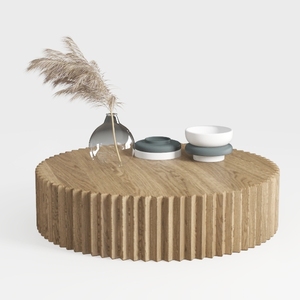
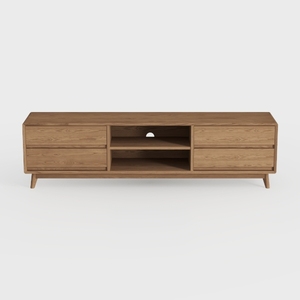
Discover Homestyler, the ultimate online home design platform! With its user-friendly design tool, stunning 3D renderings, and a wealth of DIY video tutorials, you can easily transform your home into a stylish haven. Perfect for both beginners and design enthusiasts alike!
Desain sekarang Gratis
































