

Essential Insights
Impact of Vibrant Colors
Mexican interior decor stands out by rejecting minimalist styles, opting instead for vivid and deep colors that infuse energy into any space. From rich terracotta walls to intricately designed Talavera tiles, these shades do more than provide a stunning visual—they connect your home with a deep cultural heritage. By incorporating handmade ceramics or lively throws from local markets, you create a narrative filled with tradition (discover the transformative power of cultural elements on modern interiors with innovative design tools like Homestyler). In my view, while many articles focus solely on color schemes, authentic Mexican decor begins with color but extends beyond—it celebrates color as a legacy rather than merely a mood enhancer.
Materials That Define Mexican Interiors
Consider materials like clay, wrought iron, reclaimed timber, and woven wool when envisioning Mexican decor. The key? Locally sourced items or those crafted by skilled artisans, avoiding generic imports. Authentic pieces beautifully age over time, collecting history and character, unlike the transient nature of fast furnishings. Mexican design champions sustainability and long-lasting appeal.
The Importance of Handcrafted Elements
Mass-produced items simply cannot replicate the unique charm of hand-painted pottery or custom-woven rugs. In Mexican interior design, every piece should manifest the touch of its creator, conveying stories from artisan to owner. This personal connection truly shapes a house into a cherished home.
Blending Vintage and Modern Styles
The secret lies in harmoniously pairing vintage treasures with contemporary comforts, creating an atmosphere that’s cohesive rather than kitschy. For instance, frame traditional Otomi textiles as striking wall art, or juxtapose antique furnishings with modern lighting solutions. Top designers excel at crafting these contrasts to create rich, dynamic environments.
Integrating Sustainability into Design
Sustainability is not a trend in Mexico; it's a practice rooted in generations of reuse, repair, and local trade. Utilizing reclaimed doors, salvaged tiles, or upcycled materials not only promotes eco-friendliness but also enriches your interiors with meaningful authenticity while minimizing waste. Embracing sustainable design offers enduring character rather than fleeting appearances.
What Sets Mexican Decor Apart?
Distinct from Mediterranean or Bohemian styles, Mexican interiors blend indigenous symbolism with colonial influences, resulting in a vibrant cultural tapestry. Each home is unique, often narrating a specific local story that highlights regional craftsmanship and folklore. This is where mass-market trends fall short—the profound heritage is what differentiates one space from another.
How to Begin Your Redesign Journey?
Start by pinpointing the story you want to unfold in your space. Choose one artisan-crafted centerpiece—perhaps a beautifully carved bench or an exquisite woven wall hanging—and build your design around it. Your next consideration should be how to manage spatial dynamics through bold colors (discover how to effectively balance room elements using creative design tools like Homestyler). The design process should feel organic, layering meaning rather than opting for a cookie-cutter appearance.
Key Considerations
Mexican interior decor shines by emphasizing meaningful artisan details, sustainable methods, and layered stories that go beyond mere aesthetics. Authenticity, rather than imitation, fosters homes that are rich in depth and soul.
Can Decor Adapt Over Time?
Unlike themed interiors, Mexican decor evolves with new discoveries and changing preferences, becoming richer as you gather art pieces, family heirlooms, or fresh textiles. This adaptable approach ensures your home consistently mirrors your evolving identity, rather than being anchored to a passing trend (learn how flexible design can correspond to your lifestyle requirements through innovative spatial strategies).
Common Questions
What colors are characteristic of Mexican interior decor?
Vibrant tones such as turquoise, terra cotta, and mustard yellow typify the style, creating lively atmospheres throughout your home.
Is Mexican decor exclusively rustic?
No, this style combines rustic, colonial, and contemporary elements, making it suitable for both urban apartments and rural homes.
How crucial are handmade items?
Handcrafted elements are essential, offering a level of authenticity that mass-produced decor lacks in Mexican interiors.
Can modern furniture be paired with Mexican decor?
Absolutely. The combination of bold Mexican fabrics with sleek modern designs results in striking visual harmony and depth.
Where can I find authentic Mexican decor items?
Seek out artisan markets, specialty shops, or reputable online retailers that focus on creators over factories.
How to incorporate tiles in Mexican interior design?
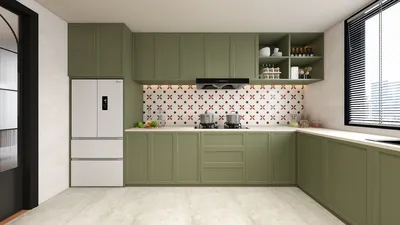
Hand-painted Talavera tiles can create stunning backsplashes, accent walls, or decorative staircase elements—use them thoughtfully for maximum impact.
Is Mexican decor suitable for small apartments?
Definitely. Thoughtful pops of color, compact artisan pieces, and multifunctional furniture work beautifully in smaller spaces.
Is Mexican interior decor sustainable?
Indeed—traditional Mexican design emphasizes upcycling, durable materials, and local craftsmanship, prioritizing sustainability.
Sources
Homestyler is an exceptional online home design platform that empowers you to unleash your creativity. With its easy-to-use design tool, stunning 3D renderings, and a wealth of DIY video tutorials, you can effortlessly transform your space and explore endless design possibilities.
Diseño ahora GRATIS
































