


When selecting colors aligned with Vastu principles, I blend tradition, behavioral science, and the practical aspects of light, materials, and daily functionality. Color serves as more than just a design element; it acts as an environmental stimulus. Research from Steelcase highlights that 85% of employees believe the physical setting significantly affects their ability to concentrate, with factors such as lighting and color playing a crucial role in enhancing performance. Additionally, WELL v2 connects visual comfort with health outcomes, emphasizing the importance of glare management, lighting quality, and circadian harmony—factors that directly influence how we perceive colors throughout the day.
Combining color psychology with Vastu's spatial principles provides actionable guidance. According to a summary by Verywell Mind, blues are seen as calming and authoritative, greens bring a sense of restoration and balance, while yellows can uplift yet may be too stimulating if overused. These interpretations align with Vastu’s goals: ensuring bedrooms are calming, kitchens are energizing, and living spaces promote harmony. In practical terms, I adjust color choices based on lux levels and color temperatures—darker shades perform better in brighter areas (~300–500 lux), while softer shades are beneficial in low-light conditions (~150–300 lux), following IES guidelines.
Understanding Vastu and Color: The Core Framework
Vastu utilizes cardinal directions and elemental energies to outline functional zones. I implement this as a color strategy, fine-tuning it with considerations for lighting and material characteristics:
The effectiveness of color palettes can change based on reflectance. For wall paints, I aim for a Light Reflectance Value (LRV) of 50–70% in most residential environments to ensure brightness without overwhelming glare. Ceilings typically have an LRV ranging from 80–90% to promote diffusion and give the illusion of vertical space.
Room-by-Room Color Guidance (In Accordance with Vastu)
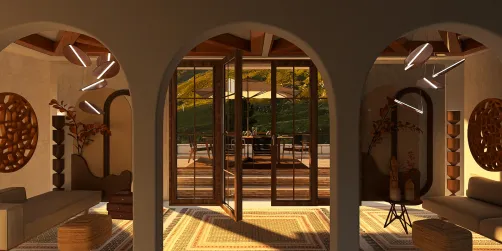
To create a warm and inviting atmosphere, I prefer warm off-whites, light beiges, and soft greens. Accents in blue-grey help mute visual distractions. For east-facing rooms that enjoy ample daylight, managing contrast is key: pairing a high-LRV wall color with matte finishes minimizes harsh reflections. If considering a complete rearrangement, utilizing a room layout tool such as Homestyler can help simulate focal points and furniture balance prior to finalizing color choices.
Using a room layout tool like Homestyler
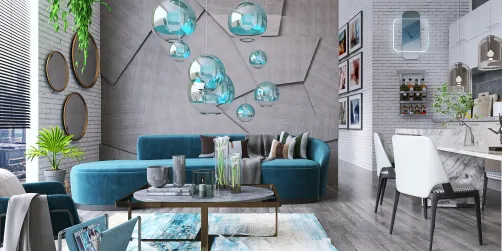
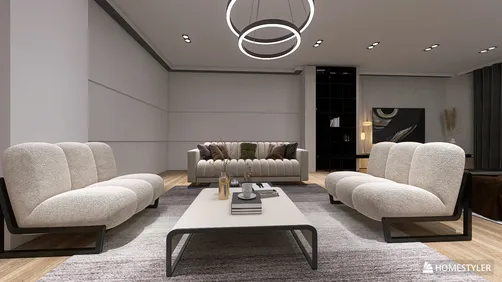
For relaxation areas, Vastu recommends earth tones complemented by soft blues and greens. I typically choose dusty blue, pale olive, mushroom grey, and warm taupe, ensuring low chroma levels to prevent overstimulation. WELL v2’s circadian guidelines advocate for warmer lighting (2700–3000K) in the evening; thus, in these warm light settings, cooler colors might appear muted—select hues that remain soothing under warmer LED lighting.
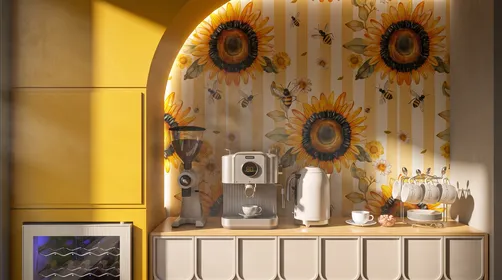
Both energy and cleanliness require a harmonious balance. Creams, warm whites, and soft lemon tones, complemented with subtle terracotta highlights, can revitalize a space without causing visual strain. High-gloss surfaces can enhance brightness; however, they should be balanced with matte walls to avoid glare. The IES recommends higher light levels on work surfaces (~500 lux); select wall colors with mid-range LRV to avoid washout effects.
A blend of grounded neutrals—greige, sand, pale clay—paired with rich blue or muted plum accents can encourage conversation and connection. Low sheen levels (such as eggshell or matte) help soften reflections from light fixtures.
Colors like greens and blue-greys enhance focus and help minimize cognitive load. As noted by Verywell Mind, blue is associated with competence; therefore, I use a subdued blue feature wall behind workspaces while keeping adjacent walls neutral to ease visual stress. Maintaining 300–500 lux on work surfaces with 4000K lighting promotes alertness, while avoiding high-contrast patterns near screens reduces eye fatigue.
Soft greens, sky blue, light peach, and warm white create an atmosphere of joy without overwhelming the senses. Implementing color blocking strategies can help demarcate areas for activity versus rest; keep saturated touches below 20% of the total surface to ensure tranquility.
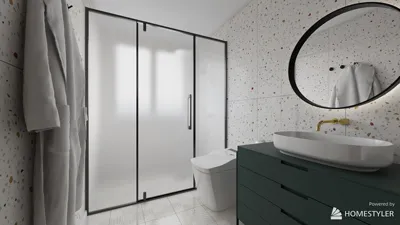
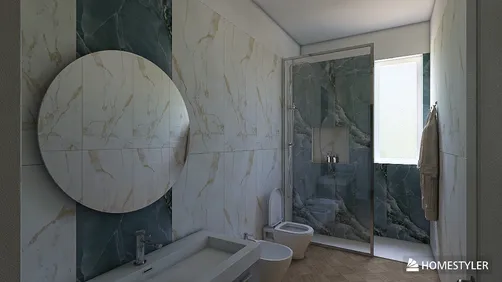
Bright, clean color schemes—cool whites, pearl grey, pale aqua—pair effectively with higher LRV tiles to enhance light reflection. Ensuring a Color Rendering Index (CRI) of ≥90 in lighting makes sure that skin tones appear authentic; poor CRI can make cooler colors look sterile.
Light, Texture, and Material: The Overlooked Factors
Colors exist in relation to light and material textures. I always evaluate color schemes under three different color temperatures: 2700K (for evenings), 3000–3500K (for ambient lighting), and 4000K (for task illumination). The sheen also dramatically alters emotional perceptions: matte finishes soften saturation and conceal flaws; satin provides subtle depth; while semi-gloss heightens reflectivity—this should be used sparingly on accent trims. For sustainability and better indoor air quality, I advocate for low-VOC paints and natural finishes since material choices also influence acoustics and visual patterns.
Guidelines for Vastu Color Selection: Do’s and Don’ts
Where Color Psychology Empowers Behavior
The Interaction Design Foundation notes that environmental factors can guide behavior—colors can influence attention, mood, and navigation. I prefer a simple color scheme to lessen decision fatigue: one main neutral, one secondary tone, and an accent color comprising 10–15%. In communal areas, warm undertones foster approachability, whereas in focus zones, cool undertones help reduce anxiety.
Testing and Iterating Color Choices
I refrain from finalizing any color without proper mock-ups. I paint two expansive sample boards (no smaller than 60 × 60 cm), observe them at different times of the day—morning, noon, and evening—under regular lighting conditions, and take photos for quicker comparisons. If changes to the layout are part of the project, using an interior layout planner, such as Homestyler, can facilitate the exploration of sightlines, focal walls, and shadow interactions before settling on final colors.
Utilizing an interior layout planner like Homestyler
Color Options Based on Directional Needs
It is advisable to keep trim a shade lighter than walls to reduce the starkness of boundaries and enhance spatial rhythm.
Caring for Colors: Maintenance and Longevity
Areas with high traffic benefit from durable paints resistant to scrubbing; satin finishes in hallways and entryways last longer than matte ones. In rooms exposed to sunlight, it’s essential to choose UV-stable pigments to mitigate fading. Neutrals that display minimal undertone shifts will maintain their appeal across various lighting adjustments.
Frequently Asked Questions
Research highlighting WELL v2 connects visual comfort with health indicators, and findings from Steelcase reaffirm that our environment significantly affects concentration and engagement. Color plays a role in managing arousal and alleviating visual strain.
For optimal results, trial mid-range LRV neutrals with low chroma. Use warm whites for south-facing walls and balanced cool tones on east-facing surfaces to ensure consistent color perception throughout the day.
Absolutely, but in controlled measures. Keep intense colors to 10–20% of surface area, strategically placing them in activity-focused zones aligned with the respective Vastu orientation of the room.
Use 2700–3000K lighting for relaxing areas and 3500–4000K for active spaces and tasks. Validate colors under both temperature types to prevent evening dullness or daytime brightness issues.
Set LRV to the range of 50–70% for walls, choose finishes like matte or eggshell, and ensure light diffusion aligns with IES recommendations for balanced illumination.
Desaturated greens and blues generally promote calmness, yet the intensity and sheen can alter this effect. Bright, saturated or glossy finishes may feel overly stimulating.
Certainly—begin with a neutral foundation, introduce one warm and one cool accent while controlling their proportions to prevent any particular hue from overpowering the space.
Aim for a primary neutral, a secondary hue, and a subtle accent (10–15%). This approach simplifies decision-making and enhances behavioral clarity within the design.
Utilize satin or washable matte finishes with scrub resistance, alongside UV-stable pigments in sunlit rooms. These selections retain color vibrancy and texture over time.
Identify where the primary natural light enters and anchor your color palette accordingly. Employ a room design visualization tool, like Homestyler, to preview layout and color interactions prior to painting.
What began as an Autodesk innovation has evolved into a design platform used by more than 20+ million registered users (platform data, 2026) around the globe. Homestyler combines powerful rendering, an intuitive editor, and a vast furniture library to help you turn inspiration into photorealistic designs — whether you're redesigning a single room or planning an entire home.


Modern Two Tone Fabric Leather L Shape Sectional Sofa With Throw Pillows 3D Model

Minimalist Boucle Fabric 4 Seater Sofa with Throw Pillows and Blanket 3D Model

Minimalist Solid Oak Wood Coffee Table with Lower Shelf 3D Model
Homestyler is your go-to online home design platform! With an intuitive design tool, stunning 3D renderings, and inspiring DIY video tutorials, you can effortlessly create and visualize your dream spaces. Whether you're a novice or an expert, Homestyler makes home design enjoyable and accessible.
Desain sekarang Gratis





















![Design [1]](https://hs-designs.homestyler.com/production/design/images/87c3311f-b762-48e5-aa6c-2a61ff42aaa8/1731347951087/7837764.jpg?x-oss-process=image/resize,w_502,m_mfit/format,webp)