

Key Points to Note
Overview
Benjamin Moore's Decorator White is often hailed as a quintessential white choice. However, as a designer and content strategist, I offer a different perspective: Many resources simplify Decorator White as a neutral option, neglecting the complex undertones and reflectance that can vastly influence a space's ambiance and functionality. While typical comparisons paint broad strokes, I will delve into the subtle factors—such as natural light, surrounding finishes, and patterns of use—that can significantly affect a room's overall appearance.
This article uncovers the often-overlooked trade-offs, market gaps, and design principles associated with Decorator White. From my real-world experience, I aim to guide you in achieving a timeless aesthetic while avoiding the sterile feel that can accompany all-white spaces. Interested in seeing how Decorator White complements your decor before you pick up the paintbrush? Utilize AI-driven visualization tools, like Homestyler, for a seamless preview of your design choices.
Why is Decorator White by Benjamin Moore Unique?
While many paint guides simply categorize Decorator White as a neutral staple, I have discovered that its cool undertones present both opportunities and challenges. Unlike stark whites, Decorator White harmonizes traditional and contemporary styles thanks to its subtle gray-blue hints. A Statista report from 2023 indicated that about 60% of designers favor whites with nuanced undertones for their versatility, yet this detail is frequently missed by DIY enthusiasts.
Is Decorator White Suitable for All Spaces?
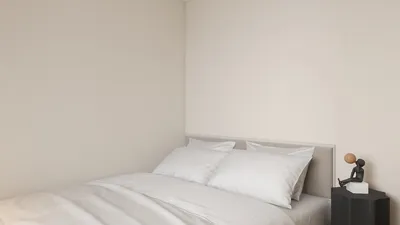
Contrary to guides that claim universal compatibility, my experience suggests that Decorator White does not suit every room or lighting condition. In spaces facing north, its cool undertones may become pronounced, resulting in a bluish effect, while south-facing rooms can soften its appearance. This variance highlights the importance of testing larger swatches throughout the day, particularly in areas like kitchens and bathrooms where lighting fluctuates, or using interactive design tools like Homestyler to gain immediate insights.
How Does Lighting Influence the Look of Decorator White?
Although many resources standardize white paint suggestions, evidence shows that the source of artificial light (LED versus incandescent) can greatly impact how Decorator White appears. Warm bulbs can mitigate its coolness, while daylight or cool LEDs might amplify bluish undertones. Design specialist Emily Carter advises on Houzz that layering different types of lighting—ambient, accent, and task—is crucial when working with Decorator White to prevent a clinical or overly washed-out appearance.
What Are the Hidden Challenges of All-White Decor?
While popular guides often tout all-white environments as perpetually stylish, I emphasize an important caveat: Decorator White can accentuate flaws, dust, and minor imperfections far more than warmer or muted colors. This can lead to increased maintenance and more frequent touch-ups, especially in heavily trafficked areas. Through years of experience, I have noted how the gloss level and primer selection can significantly influence long-term satisfaction with this paint.
How to Avoid a Sterile Impression with Decorator White?
Rather than simply picking flat paints, I advocate for a material-focused approach: incorporate warm textures (such as unstained wood and natural fibers) and layered textiles to balance out the cool undertones. Adding metallic accents or soft color pops can infuse warmth and personality into the space—insights gained from years of refining numerous neutral interiors.
Can Decorator White Be Applied to Trim and Ceilings?
While most references default to bright white for trim, my findings suggest that using Decorator White for both walls and trim creates an elegant, cohesive feel. However, it is essential to be cautious: pairing with adjacent whites might highlight subtle variations, leading to a clash rather than harmony. Research by the NAHB indicates that using a consistent undertone throughout a space enhances perceived cohesion and visual tranquility.
How Does Decorator White Accommodate Both Modern and Traditional Styles?
Decorator White serves as a bridge between modern minimalism and classic decor—a valuable niche often missed. While many designers fixate solely on trends, I encourage clients to utilize Decorator White as a versatile backdrop that can adapt easily with changing colors and themes. Its combination of timeless appeal and flexibility distinguishes it from the stark options typically chosen in ultra-modern designs.
What Tools Can Enhance Your Perfect Decorator White Palette?
From my recent design experiences, Tapping into digital modeling tools has closed the gap between expectations and reality. Visualizing how Decorator White will interact with specific lighting, finishes, and furniture helps mitigate costly surprises. If you're finalizing your palette, consider utilizing interactive Room Planner tools like Homestyler to test furniture arrangements and mood variations for a personalized preview.
Summary
Decorator White by Benjamin Moore provides a sophisticated neutral option with a cool undertone, but realizing its full potential requires attention to lighting, material choices, and placement strategies—insights that most guides do not typically convey.
FAQs
Conclusion: What Sets My Insights on Decorator White Apart
Differing from typical guides, I highlight the key trade-offs and subtleties associated with using Decorator White by Benjamin Moore, showcasing why aspects like lighting, textures, and contextual factors hold more significance than just the paint chip itself. My experience-based advice empowers you to avoid sterile aesthetics and foster warm, customized results for any room. Ready to visualize your color choices in 3D before undertaking a painting project? Effortlessly simulate wall and floor combinations using a virtual palette arrangement tool to achieve optimal results.
Homestyler is your go-to platform for effortless home design! With its user-friendly online design tool, stunning 3D renderings, and a wealth of design projects and DIY video tutorials, transforming your space has never been easier. Unleash your creativity today!
Progetta ora GRATIS
































