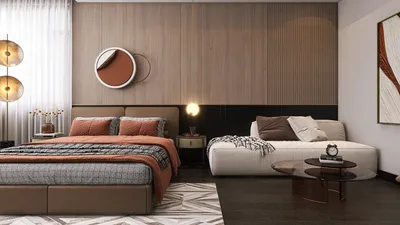


A 1-ton split AC, which equates to approximately 12,000 BTU/h, is typically ideal for compact bedrooms and small home offices. However, the effectiveness of this capacity depends on various factors including room size, heat load, and how the space is utilized throughout the day. Under standard residential conditions, a 1-ton unit can efficiently cover areas ranging from 120 to 180 sq ft (11–17 m²), assuming an average ceiling height and moderate sunlight exposure. Research has shown that comfort plays a significant role in productivity; studies such as those conducted by Steelcase highlight that cognitive performance declines with rising thermal discomfort. This emphasizes the importance of precise sizing, which is crucial for both wellbeing and efficiency in work environments, especially when utilizing tools like Homestyler for planning.
Thermal comfort is influenced by several factors, including temperature and airflow. The WELL v2 standard recognizes thermal comfort as a significant component affecting occupant satisfaction, promoting strategies to mitigate heat gain and drafts. Gensler Research has repeatedly found that environments that prioritize comfort correlate with increased productivity, highlighting the necessity of appropriately sized cooling systems to avoid conditions that impede focus. This aligns with my approach when making capacity decisions during the planning phase, often with the help of tools like Homestyler.
How Much Area Can a 1-Ton AC Serve?
A standard baseline for understanding cooling capacity is that 1 ton is roughly equivalent to 12,000 BTU/h. For typical ceiling heights of around 8.5 to 9 ft and adequate insulation, this supports an area of approximately 120 to 180 sq ft. Opt for the upper range only if the room experiences minimal solar gain (such as those facing north or shaded), uses LED lighting, and has limited electronic devices. In spaces that receive significant sunlight, like those with large west-facing windows or heavy equipment, it's advisable to limit coverage to the range of 120 to 140 sq ft or consider upgrading to a 1.5-ton system. In smaller apartments, I often recommend a 1-ton unit for bedrooms measuring 10 to 13 m² that have one external wall and standard glazing; this ensures stable temperature setpoints with minimal fluctuations.
Key Aspects Influencing Capacity
• Sun exposure: West or south-facing glass increases heat load. Consider using low-e glass and shading options; if these aren't possible, increased sizing or improved insulation may be necessary.
• Occupancy and equipment: Each individual contributes additional heat load. Computers and laptops can introduce another 100 to 300 W each. For workplaces hosting 2 or 3 people, it might be prudent to opt for a higher tonnage or zoned cooling solutions.
• Ceiling height: Heights exceeding 9 ft can increase air volume and stratification effects. Add ceiling fans to improve air circulation and account for the additional load.
• Insulation and air leakage: Poorly sealed doors and single-glazed windows significantly raise BTU requirements. Implementing weatherstripping and using thermal curtains can help mitigate increased demand.
• Climate: In hot and humid areas, greater latent heat removal is necessary. Look for air conditioning units equipped with suitable sensible heat ratios and variable speeds to effectively manage moisture without excessive cooling.
Target Comfort Standards and Ranges
Maintaining thermal comfort generally involves keeping temperatures between 22 and 26°C (72–79°F) for most occupants, along with 40–60% relative humidity. The WELL v2 framework stresses the importance of thermal zoning and control to sustain comfort. Moreover, lighting organizations such as the IES highlight how lighting can contribute to heat load; high-output halogen lights or poorly managed fixtures can elevate cooling demands compared to LED lighting. If your space utilizes LED lights, which emit less heat, a 1-ton unit could cover a larger effective area.
For additional insights on the effects of comfort in work environments, refer to research from Gensler and Steelcase, which consistently link comfortable settings to enhanced task performance and overall satisfaction.
Simplified Sizing Guidelines I Follow
• 120–140 sq ft: Use a 1-ton AC in sunlit rooms with standard glazing, accommodating one or two occupants and basic electronics.
• 140–180 sq ft: A 1-ton AC is suitable if the space is well-shaded, insulated, leverages LED lighting, and has limited electronics. Otherwise, consider increasing capacity to 1.25 or 1.5 tons based on local climate and heat gain.
• For areas exceeding 180 sq ft or with high ceilings: Typically, a 1.5-ton system is needed, or consider dividing into zones for enhanced control.
• High equipment load (multiple monitors or gaming PCs): It is advisable to opt for a 1.5-ton unit even for 120–140 sq ft. Alternatively, improve insulation and shading before proceeding.
Layout and Air Distribution Considerations
Even the best capacity can fall short if airflow is obstructed. Position the indoor unit to cover the length of the room effectively, avoiding direct airflow onto seating or beds. Ensure return air paths remain clear; tall furniture can trap heat and create stagnant zones. During the layout planning process, I often use Homestyler to simulate movement and sight lines to validate airflow effectiveness.
Humidity Management with a 1-Ton System
In areas with high humidity, the latent load can significantly affect air conditioning performance. A correctly sized unit will typically run longer cycles, effectively removing more moisture than one that is oversized and tends to short-cycle. Aim to keep relative humidity around 40–60% to avoid mold growth and maintain comfort. If humidity remains high, consider adding a standalone dehumidifier or utilizing AC modes that prioritize dehumidification functions.
Energy Efficiency and Sustainable Practices
Opt for high-efficiency inverter units that perform well at partial loads. A 1-ton inverter that operates quietly can significantly reduce energy consumption while maintaining desired temperature levels. Ensure the building envelope is sealed (through weatherstripping, curtains, or blinds), choose LED lighting, and install shading devices. Additionally, materials play a crucial role; light-colored finishes can reflect sunlight, while thermal curtains can dramatically reduce heat gain in west-facing rooms during afternoons.
Ergonomic Considerations, Behavior, and Color Psychology
Cooler color tones such as soft blues and greens can seem to lower perceived temperatures, allowing for slightly higher thermostat settings without discomfort. Discussions of color psychology, like those by Verywell Mind, illustrate how color affects mood and perception; combining these insights with breathable fabrics and non-glare lighting can enhance comfort levels. From an ergonomic perspective, it’s critical to keep airflow from directly hitting the face or wrists to prevent localized cold discomfort, while ensuring that keyboards and mice remain dry and comfortable.
Acoustic Considerations and Proper Placement
The noise produced by air conditioning units can interfere with concentration. Position indoor units away from reflective surfaces that may amplify sound. Utilizing rugs, curtains, and bookshelves can aid in noise absorption. In bedroom settings, it is advisable to mount the unit strategically to minimize vibration transmission through shared walls.
When to Consider Upgrading from 1 Ton
Transition to a 1.5-ton unit if the following conditions are met: the floor area exceeds 180 sq ft, solar gain from west-facing windows is persistent, multiple occupants remain in the space for extended periods, ceiling heights exceed 10 ft, or if there is a significant amount of electronic equipment. In multi-use living rooms that feature sliding doors and open kitchens, zoned systems or multi-split setups often provide improved control compared to a single, oversized unit.
Installation and Commissioning Checklist
• Confirm load calculations based on area, height, orientation, window specifications, occupancy, and equipment.
• Ensure refrigerant line lengths and elevation variations adhere to manufacturer specifications.
• Conduct pressure tests and proper evacuations; poor commissioning can lead to reduced capacity.
• Seal any penetrations and check for air leaks.
• Establish realistic thermostat schedules and fan speeds; avoid running constant turbo settings.
• Inform occupants about the importance of shading and door discipline to maintain comfort levels.
Frequently Asked Questions
Q1: What is the ideal room size for a 1-ton AC?
A1: Generally, around 120 to 180 sq ft with average ceilings and moderate sunlight exposure. Aim for the lower range (120–140 sq ft) if the room is heavily sunlit or equipped with many devices.
Q2: Should I choose a 1.5-ton AC for a west-facing room?
A2: Yes, particularly if you have large windows and strong afternoon sunlight. If improving the building envelope (like adding low-e film, shading, or curtains) is not an option, opting for a 1.5-ton unit can provide extra capacity.
Q3: Does ceiling height impact the necessary sizing?
A3: Yes, ceilings taller than 9 ft increase the air volume, leading to stratified conditions. Incorporate ceiling fans to aid in mixing air and consider increasing AC capacity or improving insulation and zoning.
Q4: Can a 1-ton inverter effectively manage humidity?
A4: Inverters excel at part-load dehumidification due to their ability to run longer cycles. If relative humidity remains above 60%, consider additional dehumidification solutions or adjust operational modes.
Q5: How do lighting and electronics influence cooling capacity?
A5: Halogen lighting and multiple electronic devices contribute additional sensible heat. Opting for LED lighting can lower heat output, potentially allowing a 1-ton unit to serve larger spaces effectively.
Q6: What temperature range is most comfortable for individuals?
A6: The typical range is between 22 and 26°C (72–79°F) with a relative humidity level of 40-60%. Providing options for personal control and preventing drastic temperature changes will help maintain comfort.
Q7: Is short cycling a concern with oversized units?
A7: Yes, oversized units tend to cool rapidly but take out less moisture, leading to clammy conditions and inconsistent temperatures. Correct sizing helps avoid this issue.
Q8: Where is the best location for mounting an indoor unit?
A8: It's best to install it along the long side of the room, ensuring airflow doesn’t directly hit seating areas or beds, while keeping return air paths free from obstructions like wardrobes or tall dividers.
Q9: Do color choices influence the perception of temperature?
A9: Yes, cooler colors and matte surfaces can create an impression of a cooler environment, which might help in setting slightly higher temperature settings without discomfort.
Q10: What maintenance is required for keeping a 1-ton AC efficient?
A10: Monthly cleaning of filters, seasonal inspection of coils, ensuring refrigerant levels are appropriate, and keeping windows and doors sealed will optimize performance.
Originally incubated at Autodesk, Homestyler has grown into one of the most widely adopted home design platforms in the world, now trusted by over 18 million users. Whether you're a homeowner exploring ideas or a professional designer delivering client-ready renders, Homestyler brings industry-leading 3D technology to your fingertips — no experience required.


Modern Minimalist Dark Walnut Fabric Double Dining Chair Bench 3D Model

Mid Century Walnut Wood Cane Woven Dining Chair 3D Model

Modern Olive Green Velvet Tufted Solid Wood Base Armchair 3D Model
If you're looking to elevate your home design game, Homestyler is the ideal platform! With its user-friendly online design tool, stunning 3D renderings, and a wealth of DIY video tutorials, transforming your space has never been easier or more enjoyable. Start creating your dream home today!
Design Now for FREE
































