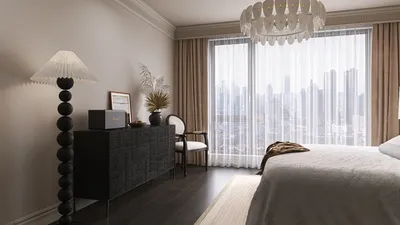


Real estate terminology often utilizes abbreviations, and one such term is "RK room," which can significantly influence the interpretation of a floor plan. Typically, in many markets, RK refers to "Room + Kitchen," indicating a primary living/sleeping space combined with a separate, generally smaller kitchen. This can be visualized as a studio style with a divided or enclosed kitchen instead of a full one-bedroom layout. Understanding this distinction is important as it impacts factors like livability, access to natural light, and storage solutions, which differ notably between RK setups and larger 1BHK (one bedroom, hall/living, kitchen) or 2BHK arrangements.
Space encompasses more than just its physical dimensions; it also includes how a layout enhances daily activities. Research from Gensler reveals that thoughtfully designed environments boost focus and decision-making. According to their 2023 U.S. Workplace Survey, individuals with a greater variety of spaces reported elevated effectiveness and overall experience ratings (gensler.com/research). Applying this concept to compact living, an RK layout that separates cooking from sleeping not only enhances comfort but also diminishes odors and promotes better zoning. From a health perspective, the WELL v2 standard underscores the importance of ventilation and the separation of pollutants within living areas (v2.wellcertified.com). A well-planned RK layout featuring a cook space away from the bedroom, operable windows, and adherence to lighting minimums aligns with these health-focused guidelines more than a traditional open kitchen design.
Understanding the RK Room Concept
An RK room consists of one primary space designated for living and sleeping along with a separate kitchen area. This kitchen may be a compact enclosed room or a semi-open alcove, typically with a door or sliding partition. While entryways and bathrooms may differ depending on the building, the core definition remains: one multifunctional room and one kitchen, without a distinct bedroom.
Distinguishing RK, Studio, and 1BHK Layouts
- Studio: A single open area that merges living, sleeping, and frequently includes a kitchenette. In this configuration, cooking smells and noise can permeate the same space as the sleeping and lounging areas.
- RK: A main area for both living and sleeping accompanied by a distinct kitchen. This setup allows for better acoustic and olfactory separation and simplifies meeting exhaust requirements.
- 1BHK: Features a dedicated bedroom, a separate living area (hall), and a kitchen—offering more privacy and generally better resale potential, albeit at a higher rental or purchase cost.
Common Dimensions and Proportions
RK configurations differ based on location and building age, with typical total sizes ranging from approximately 250 to 450 square feet (23 to 42 square meters). The main living area usually spans 120–200 square feet, while the kitchen covers about 30–60 square feet. In assisting clients with RK evaluations, I seek a length-to-width ratio in the main room between 1.3:1 and 1.8:1. This ratio facilitates a clear zoning division, allowing for storage and entry on one side and living/sleep areas on the other without compromising movement.
Light, Air Quality, and Comfort Considerations
In compact residences, the quality of light and air circulation can determine livability. The Illuminating Engineering Society recommends residential lighting levels ranging from 150 to 300 lux for living areas and 300 to 500 lux for functional zones like kitchens (ies.org/standards). For an RK layout, I like to combine ambient lighting at a warm spectrum (2700–3000K) with brighter task lighting (3500–4000K) under cabinets. If the kitchen is enclosed, ensuring a functional mechanical exhaust system that vents outside reinforces WELL v2’s focus on separating pollutants and proper ventilation. Acoustic comfort is also paramount; incorporating soft furnishings, curtains, and a rug pad can help to minimize noise reflection, creating a more serene environment.
Optimizing RK Layouts
- Entry area: Add a slim console table and hooks near the entry to maintain order in the main space.
- Dual-purpose furniture: Opt for a wall-mounted bed or daybed to transform the room from daytime lounge to nighttime sleeping area.
- Subtle partitioning: A translucent sliding screen can create a sleeping nook while still allowing light to filter through.
- Kitchen functionality: Ensure an optimal working length of 8–10 feet in the kitchen, with a clear prep area between the sink and stove, alongside a ducted vent.
- Storage solutions: Floor-to-ceiling cabinetry on one wall minimizes clutter, enhancing the room’s perception of space.
- Visual flow: Consistent materials and color palettes can create a seamless look—matte finishes help to diminish glare in smaller spaces.
When assessing furniture layouts and circulation in an RK, a quick interior layout planner is an essential tool for testing various options before making purchases. Utilizing a room layout tool can greatly assist in visualizing different arrangements and ensuring clearances are met: room layout tool.
Color Psychology in Small, Multifunctional Spaces
Color impacts behavior and mood. I recommend softer neutrals with slightly warm tones to foster relaxation without boring the space. For a compact RK, a soothing backdrop (warm white or pale greige) paired with a muted accent color—such as desaturated green or blue—can promote concentration at workspaces. Research by Verywell Mind highlights that blue tones are associated with calmness and focus, while greens promote balance and restoration (verywellmind.com/color-psychology). Practically speaking, a subtle blue-gray in work areas combined with warmer whites near lounging spots keeps the overall room adaptable.
Daily Use and Ergonomics Best Practices
- Desk: Choose a height of 28–30 inches, with a supportive task chair to aid lumbar health. Maintain monitor elevation at eye level to prevent neck strain.
- Bed positioning: Ensure at least 24–30 inches of clearance around the primary side for easy access.
- Kitchen layout: Maintain a clear triangular workflow with a minimum of 36 inches for aisles and 42 inches if two individuals are cooking at the same time.
- Lighting management: Assign task lighting to separate circuits or smart controls for optimal light adaptation from cooking to relaxation.
Sustainable and Durable Material Choices
In an RK environment, every surface must be functional. I prefer:
- Low-VOC paints and finishes to encourage healthier indoor air quality (in line with WELL v2 goals).
- Compact quartz or sintered stone countertops that resist heat and stains.
- Click-lock engineered wood or premium LVP for straightforward installation and sound absorption coupled with an acoustic underlay.
- Easy-care textiles with durability ratings of at least 30,000 double rubs for upholstery on sofas or daybeds.
Value Assessment: Costs and Resale Potential
An RK can serve as a strategic entry point into desirable neighborhoods, particularly if location and building amenities are prioritized. Its value derives more from lighting, ventilation, and effective storage than mere square footage. Listings that emphasize a fully enclosed kitchen with proper exhaust, integrated storage options, and ample window light generally yield superior rent per square foot compared to open-concept kitchen studios within the same market segment.
Identifying Warning Signs When Viewing an RK
- Lack of kitchen ventilation or reliance solely on recirculating hoods in an enclosed kitchen setup.
- Poorly positioned windows that restrict airflow within the main room.
- Insufficient electrical outlets to accommodate induction hobs, microwaves, and task lighting.
- Odd structural elements that complicate bed placement or lead to wasted corners.
Interpreting RK across Various Markets
Terminology can differ based on the area. In some markets, you might come across RKH (Room + Kitchen + Hall), 1RK (one room + kitchen), or even 1BHK. Always verify the floor plan to determine whether the kitchen is distinctly separated and properly ventilated. Use the labeling as a preliminary guide rather than as an assurance of livability.
FAQ Insights
RK denotes Room + Kitchen: it features one central space for living and sleeping along with a separate kitchen and no dedicated bedroom.
Studios typically include a kitchenette within the main room, whereas an RK offers a distinct kitchen—better suited for controlling odors, sound separation, and maximizing storage.
This setup can cater well to couples who appreciate compact living with clever storage solutions. Ensure clearances of at least 36 inches and consider a wall bed to maintain daytime lounge space.
Target lighting levels of 150–300 lux for general living areas and 300–500 lux specifically for kitchen counter tasks, following IES recommendations. Employ warmer ambient lighting (2700–3000K) along with neutral task bright lights (3500–4000K).
Yes, keeping cooking and sleeping spaces apart helps with managing odors and other pollutants. This corresponds with WELL v2 recommendations for separation and ventilation.
Begin with a scaled plan, define clear sleeping and lounging zones, and test various layouts. A layout simulation tool can assist in verifying clearances: utilize an interior layout planner.
Implementing a full-height storage wall, a bed with storage drawers, and cabinets over the door can streamline the space while enhancing storage capacity.
Using low-VOC paint, quartz or sintered stone for countertops, and engineered wood with sound-dampening underlay strikes a balance between durability and ease of maintenance.
Certainly. Value is observed when an RK space enjoys ample daylight, proper ventilation, and built-in features. In tight markets, buyers prioritize functionality over sheer size.
Definitely. A wall-mounted desk set by a window, paired with a task chair and a 3500–4000K task light, can create a productive workspace without taking up floor space.

Looking to transform your space effortlessly? Homestyler is your go-to online design platform, featuring an intuitive design tool, stunning 3D renderings, and a plethora of DIY video tutorials. Unlock your creative potential and start designing your dream home today!
Zaprojektuj teraz za darmo
































