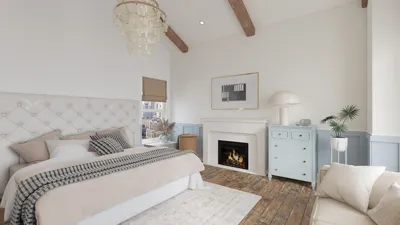


In the realm of interior design, LV frequently denotes Low Voltage, a category encompassing electrical systems that run at lower voltage levels. This is critical for safely powering lighting, data handling, control devices, and audiovisual setups. Both residential and commercial spaces benefit from LV systems, which serve as the backbone for task lighting and smart home technologies, allowing for adaptable and efficient environments. Although some may use LV informally to reference a Living Room, its accepted meaning in the industry revolves around Low Voltage discussions and infrastructure planning, especially in tools such as Homestyler.
The impact of low-voltage lighting and control systems on comfort and energy efficiency cannot be overstated. The WELL Building Standard v2 emphasizes that well-planned lighting strategies enhance visual acuity and support circadian health, utilizing features such as tunable lighting and glare minimization—an area where LV systems excel thanks to modern controls and sensors. Research by Steelcase reveals a strong correlation between workplace performance and environmental comfort, with quality lighting being essential for maintaining cognitive focus. These insights underline that decisions surrounding LV systems go beyond mere installations; they substantially affect user experience and overall productivity.
Lighting design guidelines from the Illuminating Engineering Society (IES) advocate for task illuminance levels of approximately 300–500 lux for typical office environments, with even higher values needed for intricate tasks. Low Voltage systems are adept at meeting these luminance standards through the use of adjustable dimmable drivers, low-voltage track fixtures, and sophisticated control mechanisms that provide layered lighting solutions. During the layout design phase, I prioritize LV line routing to reduce voltage drops, establish distinct control zones, and prepare for future expansions of sensor networks and digital nodes, thereby ensuring long-term adaptability in spaces designed using Homestyler.
Understanding LV in Interior Projects
The term Low Voltage generally applies to circuits that operate below traditional power distribution thresholds, typically powering essential components such as LED drivers, thermostats, audiovisual systems, and structured cabling. In design documents, LV layouts are intricately related to power and ceiling plans, highlighting control pathways, data drop locations, and fixture specifications. Incorporating LV plans early in the process prevents conflicts with other systems, like HVAC and fire protection, fostering a seamless integration that can be visualized through tools like Homestyler.
Distinguishing Between Living Room and Low Voltage
In residential layouts, abbreviations such as LR (for Living Room) or LV (which might be used informally) can lead to confusion. To mitigate misunderstandings during construction, it’s advisable to use LR consistently for Living Room while reserving LV for Low Voltage applications. This practice not only avoids ambiguity when contractors are installing systems but also aligns with established standards within electrical and lighting documentation, contributing to clearer projects as designed with software like Homestyler.
LV and the Quality of Lighting: Fostering Visual Comfort
Visual comfort encompasses more than mere brightness; factors such as glare reduction, color temperature, and light uniformity are vital. Employing LV dimmable drivers that operate at high frequencies can significantly minimize flicker risks. Choosing LED lighting options with a Color Rendering Index (CRI) above 90 ensures accurate color representation for finishes and artworks. Warm tones (2700–3000K) are ideal for cozy living spaces, whereas neutral whites (3500–4000K) suit areas focused on tasks. Using a layered approach to LV lighting—incorporating ambient, task-focused, and accent lighting—creates a balanced atmosphere without excessive brightness.
Integration of Controls, Sensors, and Circadian Support
Low Voltage networks often integrate various sensors for occupancy and daylight, along with tunable lighting fixtures. These components facilitate schedules that align with human circadian rhythms by mitigating glare during later hours and providing warmer tones in the evenings. Adhering to the WELL v2 Light requirements helps shape designs that harmonize natural daylight with artificial lighting, addressing comfort levels. By incorporating LV controls at the room level, conditions can be personalized while maintaining energy efficiency, especially in spaces designed with tools like Homestyler.
Human Factors: Ergonomics and Behavioral Patterns
Lighting plays a critical role in influencing posture and mitigating eye strain. Numerous studies, including those from Steelcase, highlight a direct connection between sufficient task lighting and reduced fatigue, leading to healthier viewing distances and minimizing awkward postures. LV task lights, especially those that are adjustable and low-glare, facilitate optimal work conditions, while localized controls accommodate varying preferences among team members, thus boosting satisfaction and autonomy.
Acoustics and Audiovisual Integration via LV Systems
In addition to lighting, Low Voltage systems form the foundation for audiovisual components such as microphones and speakers. When designing for acoustic comfort, careful planning of LV cable pathways is essential to avoid mechanical noise, maintain proper separation from power lines to reduce interference, and position AV endpoints away from reflective surfaces. This deliberate design approach results in clear communication zones and balanced sound environments in both meeting rooms and living areas, making Homestyler an ideal platform for layout planning.
Sustainable Material Selection
Opting for fixtures that include replaceable drivers and demonstrate lumen maintenance standards (L70 at 50,000 hours, for example) significantly reduces waste. Low Voltage LED options are more energy-efficient than older incandescent bulbs and synergize well with occupancy sensors and daylight controls to curtail overall energy demand. Choosing low-VOC finishes around fixtures can prevent off-gassing near heat sources, and adopting cable management systems that allow for recycling and future modifications aligns with sustainable practices.
Strategic Layout Planning with LV Infrastructure
I map out LV routes in tandem with furniture layouts, ensuring task lights, data ports, and floor outlets correspond with seating arrangements, workspaces, and focal design elements. Utilizing a room layout tool like Homestyler can vividly illustrate fixture placements, control zones, and data endpoints prior to construction, greatly reducing the likelihood of changes or mistakes as the project progresses.
Exploring Color Psychology in LV Lighting
Color temperature has a significant impact on mood and intention. Warm white lighting (2700–3000K) creates a relaxing atmosphere ideal for lounges and hospitality settings, while neutral whites (3500–4000K) enhance alertness and collaboration in work environments. Insights from Verywell Mind on color psychology indicate that warm hues evoke a sense of welcome, whereas cooler tones promote clarity and focus. These principles can be skillfully applied in LV lighting designs to subtly guide user behavior through intentional environmental cues.
Key Components of LV Design in Interiors
- Low-voltage LED drivers (dimmable, 0-10V, DALI)
- Track lighting heads and powered remotes
- Daylight and occupancy sensors
- Thermostat and Building Automation System (BAS) control lines
- Structured cabling solutions: Cat6/7 for data and AV
- Access control equipment and door hardware
- Low-voltage landscape lighting and pathway markers
Ensuring Coordination and Safety
Low Voltage does not imply simplicity; thorough coordination of cable tray capacities, conduit fills, and separation distances is vital to maintaining signal integrity and serviceability. Adequate documentation—including clear labeling and accessible junctions—prevents complications during installation and maintenance processes. Coordinating early with electrical engineers and low-voltage contractors is key to ensuring a streamlined building process.
Emerging Trends for 2024–2025
- Human-centric lighting with adaptive white options
- Sensor-rich environments that adjust in real time
- Distributed low-voltage power (Power over Ethernet lighting) in select designs
- Seamless AV integration to support hybrid collaboration settings
- Sustainable material specifications that focus on longevity and modular designs
Frequently Asked Questions (FAQs)
Q1: Is LV always synonymous with Low Voltage in interior design?
A1: In technical documents, LV usually denotes Low Voltage. For identifying rooms, use LR for Living Room to maintain clarity.
Q2: What lux level is appropriate for desk work using LV lighting?
A2: The IES recommends a lux level around 300–500 for general office tasks, and higher for detailed functions, achieved through layered LV lighting strategies and control systems.
Q3: How does LV facilitate circadian-friendly lighting?
A3: With tunable white lighting, occupancy/daylight sensors, and scene preset controls that comply with WELL v2 Light standards, LV systems adeptly adjust light intensity and color throughout the day.
Q4: Are PoE lighting systems classified as Low Voltage?
A4: Absolutely, Power over Ethernet systems function at low voltage and can deliver both power and data via existing network cabling, enhancing control and monitoring.
Q5: What should be the initial focus during LV renovations?
A5: Commence with a reflected ceiling layout and furniture arrangement, then overlay LV pathways for fixtures and data connections, ensuring alignment with HVAC, fire safety, and acoustic designs.
Q6: What color temperatures are suitable for living rooms compared to workspaces?
A6: Implement 2700–3000K warm white for comfortable living areas, while reserving 3500–4000K neutral whites for workspaces to enhance focus and visual clarity.
Q7: Can LV systems lead to considerable reductions in energy costs?
A7: Yes, utilizing LV LED setups in combination with sensors and dimming functions can significantly lower energy expenses versus traditional systems, while also improving control for enhanced savings.
Q8: How do LV systems influence acoustic performance and audiovisual quality?
A8: Thoughtful cable routing, careful separation from power lines, and strategic positioning of endpoints minimize interference and reflections, which in turn elevates speech clarity and audiovisual capabilities.
Q9: What abbreviations should I use for clarity in LV documentation?
A9: Use LV to signify Low Voltage, LR for Living Room, and ensure all legend notes on plans are unambiguous. Consistent documentation is key to preventing installation errors.
Q10: What maintenance strategies will keep LV lighting systems dependable?
A10: Ensure control zones are labeled, specify leading drivers with known longevity, maintain junction access, and document scenes and sensor calibrations for efficient troubleshooting.


Homestyler is a fantastic online home design platform perfect for your creative needs. It features a user-friendly design tool, stunning 3D renderings, an extensive collection of design projects, and helpful DIY video tutorials. Transform your home ideas into reality effortlessly with Homestyler!
Progetta ora GRATIS
































