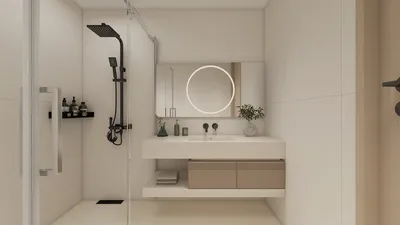


Fluorescent lighting is prevalent in various environments, including offices, schools, and homes. However, many individuals report discomfort, and even pain, when exposed to these lights for extended durations. This sensitivity stems from the inherent design of fluorescent lights combined with our eyes' responses to specific wavelengths and light dynamics. Fluorescent bulbs generate light by passing electricity through a gas, resulting in invisible ultraviolet (UV) light. This UV light interacts with a phosphor coating within the bulb, transforming it into the visible spectrum that we perceive. Consequently, fluorescent lights emit not only visible illumination but also a minor amount of UV radiation and a substantial level of blue light, which can contribute to discomfort.
For some people, the UV rays and high blue light levels can lead to various symptoms, ranging from mild eye fatigue to severe headaches and considerable discomfort. An additional concern is the flickering associated with most fluorescent bulbs, which occurs at a frequency of 100-120 Hz. While this flicker might be imperceptible to the naked eye, it can still provoke eye strain and increased cognitive load for those who are sensitive. This effect may be particularly intense for individuals suffering from migraines, specific eye conditions, or sensory processing disorders. Extended exposure can manifest as dryness, tearing, burning sensations, and difficulties in maintaining focus.
As a designer, I always seek solutions that effectively merge aesthetics with comfort. When planning a workspace, renovating a home, or refreshing your lighting scheme, it’s essential to evaluate how various lighting options—such as LEDs or natural light—can affect the comfort and wellbeing of individuals using the space. Utilizing an AI Interior Design tool like Homestyler can assist in simulating and comparing different lighting scenarios, enabling you to achieve both visual appeal and enhanced eye comfort.
### Tips 1:
Choose warmer lighting alternatives or bulbs with a lower correlated color temperature (CCT) to help diminish the harsh effects of blue light. Additionally, consider adding task lighting—focused lamps suited for specific tasks—which can reduce dependency on overhead fluorescent lighting and lessen eye strain.
### FAQ
**Q: Why do fluorescent lights cause headaches?**
A: The subtle flickering and elevated blue light emission from fluorescent fixtures can lead to eye strain and over-stimulate the brain in sensitive individuals, which may result in headaches.
**Q: Are fluorescent lights worse for your eyes than LED lights?**
A: Generally, modern LED lights tend to flicker less than fluorescent lights and can provide a more comfortable experience for the eyes, especially if users select bulbs with warmer color temperatures and lower blue light outputs.
**Q: Can switching bulb types assist in reducing eye discomfort?**
A: Absolutely. Choosing LED options or bulbs specifically designed to minimize blue light and flicker can greatly enhance comfort for many users.
**Q: What symptoms indicate sensitivity to fluorescent lighting?**
A: Symptoms may include eye strain, watering, a burning feeling, blurred vision, headaches, and at times, dizziness or difficulties with concentration.
**Q: How can interior design address issues related to harsh lighting?**
A: By carefully selecting lighting fixtures, adjusting their placement, and employing design simulations, such as those available through Homestyler, you can develop well-balanced spaces that optimize light quality and minimize eye strain for residents.



Discover the magic of home design with Homestyler! This innovative platform offers an easy-to-use online design tool, stunning 3D renderings, and a treasure trove of DIY video tutorials. Whether you're a novice or a pro, bring your creative vision to life effortlessly!
Projete agora para LIVRE
































