

For more than a decade, I have orchestrated events across a variety of banquet venues and hotels, and it's important to understand that pricing is rarely straightforward. At Lemon Tree banquet halls, packages are usually based on tier levels and guest counts, with factors such as menu selection, audiovisual needs, décor choices, date, and location playing significant roles in determining the final costs. To set realistic expectations, research from Herman Miller indicates that multi-functional spaces can lead to reduced operational expenses by maximizing setup efficiency and staffing resources. This principle also applies to event venues where thoughtful layouts and effective workflows can minimize overtime charges (hermanmiller.com/research). Furthermore, the WELL v2 certification emphasizes the importance of acoustic comfort and glare control as vital components of guest satisfaction; implementing appropriate lighting and sound setups often incurs additional costs, yet these measures prevent expensive last-minute adjustments (wellcertified.com).
In major Indian cities, hotel banquet packages for social gatherings typically start at mid-range pricing and can increase based on the quality of cuisine, service style, and the complexity of décor. While exact rates at Lemon Tree may vary by property and season, event planners often use a per-person pricing model that includes base services, with extra charges for specialty menus, live cooking stations, premium decor, and advanced audiovisual features. Research by Steelcase correlates the quality of the environment with overall event satisfaction and performance—well-lit, acoustically optimized rooms enhance engagement, and, although the enhancements may raise costs, the return on investment manifests in smoother event execution and fewer disruptions (steelcase.com/research).
Core Pricing Structure
Most Lemon Tree banquet facilities typically provide quotations based on three main elements: (1) a per-person food and beverage package, (2) a venue rental charge or minimum guarantee, and (3) any additional services. Standard packages usually encompass basic buffet options, soft drinks, standard table settings, and service personnel. Packages can range from basic to premium levels, reflecting the variety of the menu, live cooking stations, and dessert options. For weekend events, minimum guarantees may be higher, and peak pricing may apply during popular dates, such as festive seasons or wedding months.
Typical Budget Ranges
When determining a budget, I suggest formulating three scenarios: a conservative estimate, a realistic one, and an aspirational figure. The conservative scenario focuses on standard menu options, limited audiovisual needs, and simple décor choices. The realistic tier includes specialty cuisine, a professional sound setup, and refined decor elements. The aspirational tier allows for designer floral arrangements, dramatic lighting, custom stage backdrops, and immersive themes. For events that involve audience interaction, such as performances or speeches, it's advisable to allocate more resources to audiovisual and lighting elements, as IES standards highlight the necessity of adequate illuminance for safety and visibility—poor lighting can lead to the need for rework and guest dissatisfaction (ies.org/standards).
What Influences Costs Upward or Downward
Layout and Space Efficiency
Effective layouts can lead to reduced costs. My initial focus is on mapping out service paths, sightlines for the stage, photo opportunities, and buffet arrangements, then positioning guest seating to ensure optimal access. For those considering seating configurations or stage placements, utilizing a layout simulation tool like Homestyler's room planner can aid in visualizing capacity, table counts, and flow, thereby limiting last-minute floor adjustments that could lead to increased staffing hours and overtime costs.
Lighting, Acoustics, and Comfort
A pleasant atmosphere for events relies on the appropriate balance of lighting and sound. Warm-white ambient lighting (around 2700–3000K) is ideal for evening gatherings; task lighting for stages should meet the recommended illuminance as per IES guidelines. Regarding acoustic comfort, WELL v2 emphasizes the importance of managing reverberation; I often budget for soft materials such as carpet runners and drapes behind stages, as well as speaker placements that avoid sound hotspots. These seemingly minor line items are worth the investment for clarity in speeches and comfortable conversation.
Anticipating Hidden Costs
Negotiation Strategies
Sample Cost Breakdown (Framework)
Utilize this as a planning framework rather than relying on set figures:
Design Choices That Can Save Costs
Booking Timeline
FAQ
Typically, this includes a per-person food and beverage package alongside either a venue rental fee or a minimum revenue guarantee, with additional charges for audiovisual, décor, and license needs.
Yes, off-peak time slots frequently offer more favorable minimum guarantees and greater negotiation flexibility, especially for lunch or brunch events.
At a minimum: two wireless microphones, a mixer, a pair of full-range speakers, stage wash lighting, and a technician. Additional items such as LED walls should only be considered if the programming demands it.
Yes, it does indirectly. Adhering to IES illuminance standards helps avoid last-minute rentals and prevents delays in programming due to inadequate visibility.
A well-organized seating and circulation plan helps minimize the need for extra furniture, reduces service bottlenecks, and avoids overtime charges from necessary layout changes. Employ a visualization tool like Homestyler's interior layout planner to explore various scenarios.
Layered fabric backdrops, focused stage lighting, versatile structural frames, and vibrant centerpieces can enhance presence while utilizing fewer floral arrangements.
Keep in mind potential extra costs such as taxes and service charges, corkage fees for outside beverages, generator load requirements for heavy AV setups, and late-night permissions.
Finalizing headcounts 7–10 days in advance is crucial to minimize waste and surcharges. Most venues impose a deadline for guaranteed headcounts about a week ahead of the event.
Each property has its own policies; expect vendor approval processes and possible access fees. Always confirm the loading window to prevent overtime issues.
Develop a standardized checklist that includes per-person inclusions, audiovisual details, décor budgets, licensing, access times, and overtime rates—allowing for easier price comparisons.
For spoken content, yes. Proper draping and optimal speaker placement can significantly enhance sound clarity and reduce feedback, aligning with the acoustic principles set out by WELL v2.
Ideally, this should be done as soon as you provisionally secure the date. Inquire about packaged audiovisual options, complimentary menu tastings, or modest décor discounts while finalizing the contract.
Originally incubated at Autodesk, Homestyler has grown into one of the most widely adopted home design platforms in the world, now trusted by over 18 million users. Whether you're a homeowner exploring ideas or a professional designer delivering client-ready renders, Homestyler brings industry-leading 3D technology to your fingertips — no experience required.

Minimalist Solid Wood Fabric Armchair and Round Side Table Set 3D Model
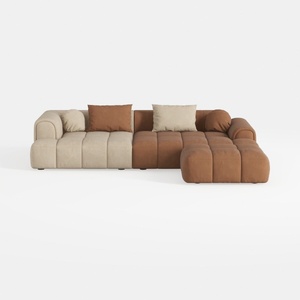
Modern Velvet Sectional Sofa, U Shape Minimalist M
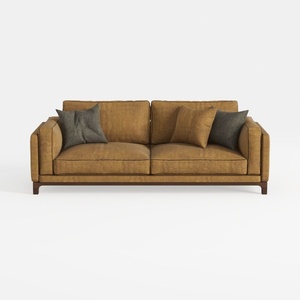

Minimalist Fabric Upholstered 2 Seater Sofa with Throw Pillows 3D Model
Looking to transform your home? Homestyler is your go-to online design platform! Enjoy an intuitive design tool, impressive 3D renderings, and a wealth of design projects and video tutorials. Create stunning interiors that reflect your style effortlessly and inspire your DIY journey!
Design Now for FREE
































