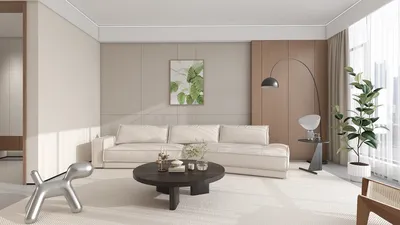


I've observed how a meticulously designed POP (Plaster of Paris) ceiling can transform a standard room into a cohesive, inviting, and expressive area. In addition to its visual appeal, ceilings play a crucial role in light distribution, acoustics, and our perception of scale. Insights from the Gensler U.S. Workplace Survey 2023 indicate that lighting quality is one of the key environmental factors affecting performance and well-being, emphasizing the ceiling's importance as a primary surface for lighting. The WELL Building Standard also advocates for glare management and balanced illumination to enhance visual comfort, which can effectively be achieved with intelligent POP designs and integrated lighting solutions using tools like Homestyler.
The patterns of lighting and brightness ratios are essential. According to IES guidelines, living spaces typically require ambient lighting ranging from 100 to 300 lux, with task areas ideally between 300 to 500 lux, while also prioritizing glare control with directional lighting. In real-world applications, POP coves can disperse linear LEDs to create soft, even lighting that minimizes glare on the ceiling surface. Research highlighted by Verywell Mind demonstrates that cooler color temperatures (4000 to 5000K) promote alertness and concentration, while warmer shades (2700 to 3000K) encourage relaxation—these are key considerations when designing ceilings for different spaces using tools like Homestyler.
Exploring the Functionality and Aesthetics of POP Ceilings
POP is a versatile, stable, and budget-friendly material that offers the ability to create crisp lines and gentle curves. I employ it to establish hierarchy: a central tray framing a chandelier, alongside perimeter coves that enhance the perception of height by reflecting light onto walls and the ceiling. Careful consideration of thickness (usually 25 to 40 mm for residential designs) and graduated layers create rhythm, helping spaces feel organized without overwhelming decor.
Design Styles: From Subtle Lines to Bold Geometry
• Recessed Tray: A timeless design which creates an illusion of a higher center. Ideal for living rooms featuring a statement fixture and layered accent lighting that can be adjusted.
• Floating Band: A narrow POP band lowered 50 to 100 mm, equipped with concealed LEDs. This design element creates a serene atmosphere in bedrooms.
• Curved Coves: Gentle curves help to ease visual tension and evenly distribute lighting, perfect for smaller rooms needing a soothing flow.
• Grid or Coffered Profiles: Modern square designs provide structure; these require precise alignment with furniture arrangements to prevent visual chaos.
• Asymmetrical Sculptures: A single diagonal beam with built-in lighting can highlight artwork or a media wall without overwhelming the overall space.
Lighting Atmosphere: Evaluating Color Temperature, Lux Levels, and Glare Management
A layered lighting approach enhances the effectiveness of a POP ceiling. For living rooms, I often target ambient lighting of 200 to 300 lux via cove lighting, along with 300 to 500 lux for task-oriented areas. Bedrooms are best illuminated with warmer light at 2700 to 3000K and low-glare linear coves, setting cooler tones for workspaces. By minimizing direct views of the LED sources and integrating diffusers, we can ensure a lower Unified Glare Rating (UGR) as recommended by industry standards. Using solutions like Homestyler, we can calibrate brightness to ensure restful and visually pleasing environments.
Spatial Proportions and Visual Cohesion
The depth of the ceiling should align with the proportions of the room. In spaces under 10 to 12 m² or with ceilings below 2.6 m, I recommend limiting drop depths to 50 to 75 mm and opting for slender profiles to avoid a cramped feeling. In spacious settings, depths can expand to 100 to 150 mm, and layered designs are accepted if the furniture arrangement complements the overall geometry. Symmetry is effective with centered seating arrangements, while asymmetry suits dynamic spaces, drawing movement towards windows or a media wall. When delineating areas—like a cozy reading nook or dining space—implementing a POP band can visually anchor the functionality, while using a layout tool such as Homestyler can refine sight lines before starting construction.
The Psychology of Color on Ceilings
Ceilings can subtly influence mood. Soft warm whites (around 3000K lighting on neutral-colored surfaces) contribute to tranquility in bedrooms; slightly cooler tones paired with a soft pastel hue can invigorate a workspace. The color psychology insights from Verywell Mind indicate that shades of blue often provide calmness, while greens evoke balance—these principles can be applied to ceilings through soft tints or lighting filters. The essence is moderation: a 5 to 10% tint on off-white shades appears sophisticated while maintaining the reflective qualities necessary for effective indirect lighting.
Enhancing Acoustic Comfort: Creating Peaceful Spaces Above
As POP is a solid material, I pair it with acoustic considerations. Perimeter POP coves can integrate micro-perforated panels or fabric-wrapped acoustic materials above light channels to absorb high-frequency sounds. In media rooms, utilizing shallow coffered designs along with soft furnishings (like carpets and drapes) can significantly reduce echo. It’s essential to keep fixtures decoupled when possible to reduce sound transfer and minimize large uninterrupted surfaces that reflect sound waves.
Considering Ergonomics and Human Factors
Ceiling designs should facilitate how individuals interact, read, and relax. I place brighter task lighting away from direct sightlines of seating areas, maintaining gentle luminance contrasts to minimize eye strain. The positioning of switches and dimmer controls is crucial; by creating layered scenes (ambient, task, accent), occupants can personalize their comfort levels. For children's bedrooms, low-level cove lighting can provide safe pathways without disrupting sleep with excess brightness.
Material and Sustainability Aspects
Quality POP requires careful curing to prevent cracking. I recommend moisture-resistant boards or sealed POP in kitchens and bathrooms, along with low-VOC paints to promote healthy indoor air quality. Energy-efficient LED strips with a high lumen output (90+ lm/W) and a Color Render Index (CRI) of 90 or above help reduce energy consumption while ensuring accurate color representation. Easy serviceability is important: detachable access panels within larger coves allow for maintenance of drivers and wiring without damaging the finished surfaces.
Trends for 2024–2025: Subtle Geometry and Integrated Technology
I observe a growing trend favoring sleek, understated profiles that conceal technology: linear acoustic slots, integrated indirect LED lighting, and understated sculptural forms rather than heavy ornamentation. Spaces that blend living and working areas benefit from tunable white lighting that transitions from 3000K in the evening to 4000K during the day. Sustainability drives designers towards simpler configurations, smarter lighting options, and durable materials with long-term performance.
Planning and Coordination Essentials
Prior to final decisions, I conduct a preliminary ceiling layout over furniture, window locations, and wiring to ensure proper alignment and sidestep conflicts with items like sprinklers or HVAC systems. Early coordination of luminaire specifications, transformer housing, and detailed shadow edges (10-12 mm is typical) ensures clean lines that won’t reveal wall imperfections.
For in-depth advice on achieving workplace lighting comfort and glare control, consider exploring WELL v2 (v2.wellcertified.com) and IES guidelines (ies.org/standards). Both resources provide criteria that translate well into residential and home-office applications, particularly when ceilings are the principal source of indirect lighting using tools like Homestyler.
Step-by-Step Guide: Realizing Your POP Ceiling Vision
1) Define the purpose: calming, dramatic, or blended styles.
2) Outline furniture and traffic flow; establish a primary orientation.
3) Select profile depth based on ceiling height and room dimensions.
4) Choose your lighting strategy: cove, recessed fixtures, or a central pendant; validate lux levels based on room usage.
5) Determine color temperatures and layers of dimming options.
6) Consider acoustics if the room has a high media usage.
7) Record all details: shadow gaps, access provisions, paint specifications.
8) Create a full-scale mock-up of a cove section to test for glare and brightness.
Frequently Asked Questions
Q1: What POP ceiling design is best for smaller spaces?
A: Opt for sleek profiles—50 to 75 mm drops—and utilize perimeter coves to visually enlarge the area. Steer clear of heavy coffers and leverage diffused linear LEDs to sustain 200 to 300 lux ambiance while controlling glare.
Q2: How do I determine the right color temperature?
A: Comfortable ranges for bedrooms and lounges lie between 2700 to 3000K, while work areas benefit from 3500 to 4000K for increased focus. Incorporating dimming features allows for reduced brightness during the evening hours.
Q3: Can POP improve acoustics?
A: While POP is reflective, integrating acoustic panels or micro-perforated elements in the coves can help absorb higher frequencies, minimizing echo in both living and media spaces.
Q4: What are the ideal lux levels to aim for?
A: For living areas, strive for an ambient level of around 200 to 300 lux, while task surfaces should target 300 to 500 lux. Shielding LEDs in coves can help manage glare and create softer transitions in luminance.
Q5: Are asymmetrical designs functional?
A: Absolutely, provided they serve the room's purpose—such as channeling light towards a reading space or framing a television wall. Ensuring alignment with furniture prevents visual clutter.
Q6: How can I prevent ceiling cracks?
A: Adequate curing, stable installation surfaces, and control joints in longer runs are effective strategies. Use moisture-resistant boards in areas prone to humidity and maintain consistent installation conditions.
Q7: What's the optimal way to incorporate a chandelier?
A: A shallow recessed tray can centralize the fixture, complemented by perimeter coves to provide additional ambient light. Ensure dimmer controls are coordinated so the chandelier becomes an accent rather than the only light source.
Q8: How do I plan efficiently around HVAC and sprinklers?
A: Early coordination is crucial: maintain necessary clearances, include access panels, and factor in shadow gaps for minor adjustments. Utilize layout simulations to validate configurations prior to construction.
Q9: How beneficial is tunable white lighting?
A: It greatly enhances comfort in hybrid spaces. Adjusting from warmer light in the evenings to cooler shades during the day aligns with various activities, thereby improving overall focus and comfort.
Q10: What type of paint finish is best for POP ceilings?
A: Low-VOC, matte, or eggshell finishes are recommended to minimize glare and ensure diffuse light distribution. Matte finishes are particularly suitable for areas where glare reduction is essential.
Discover the power of Homestyler, the ultimate online home design platform! With its user-friendly design tool, stunning 3D renderings, and a wealth of inspiring design projects and video tutorials, you can effortlessly transform your living spaces into your dream home.
Zaprojektuj teraz za darmo
































