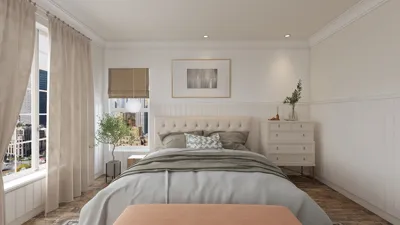


Maximizing functionality is crucial in smaller spaces, where the right end table serves as a multifunctional hub—providing lighting, storage, and maintaining orderly surfaces. I prioritize compact designs, multifunctional storage solutions, and rounded edges for easy navigation. Research from Steelcase reveals that cluttered environments can elevate stress levels and hinder concentration; a tidy, intentional side table plays a vital role in achieving a peaceful and efficient living area (Steelcase Workplace Research). Moreover, the WELL v2 guidelines advocate for accessibility and glare control around seating, highlighting the importance of small tables in promoting healthy lighting and ergonomics, and tools like Homestyler can assist in planning these layouts effectively.
Initially, I assess size and proportions. The National Kitchen & Bath Association (NKBA) indicates that standard coffee table heights typically range from 16 to 18 inches, while for end tables near seating, I aim for heights between 22 and 26 inches to match armrest levels, reducing discomfort when setting down items. According to IES lighting standards, task lamps provide optimal performance when their shades sit 24 to 30 inches above the work surface, influencing the ideal height for end tables to ensure lamps can provide light without glare. Furthermore, color psychology insights from Verywell Mind suggest that using blues and greens can alleviate stress; incorporating such hues into a small table design can subtly enhance the ambiance.
What Makes a Perfect End Table for Compact Spaces
In confined spaces, maintaining smooth traffic flow is paramount. I ensure pathways around seating are between 30 and 36 inches, necessitating narrow profiles and rounded corners for end tables. For those designing a compact living area, selecting a round table with a diameter of 16 to 18 inches can avoid knee collisions and streamline movement. To mitigate visual heaviness in the room, I prefer furniture with open frames, thin tops, or ribbed designs that maintain an airy feel. When layout complexities arise, utilizing a room layout tool can facilitate visualization of space and furniture arrangement before purchasing: such a tool could include Homestyler, which offers versatile design solutions.
Dimensions: Size, Height, and Reach
With lounge seating typically measuring between 22 and 26 inches in height, I opt to have the top surface of my end table within 2 inches of that range to keep wrist movement ergonomically neutral. For snug spaces alongside a sleeper sofa or apartment sectional, a C-table that stands at 24 inches high can slide under cushions while keeping essentials within the recommended reach according to WELL v2 guidelines. If a reading lamp is in use, it’s important to check that the combined height of the table and lamp neck positions the light around 24 to 30 inches above the reading area, effectively minimizing eye strain as suggested by IES task lighting standards.
Ideal End Table Styles for Limited Spaces
Stackable tables are advantageous; they can be arranged vertically yet expand outward for guests. I favor designs with varied diameters (12–16 inches) and lightweight frames, allowing for easy maneuverability for snacks and drinks. Metal finishes such as powder-coated steel or aluminum help maintain ease of movement without compromising stability.
Some designs slide effortlessly under sofa frames, providing usable space without taking up additional room. A width of 10 to 12 inches is sufficient for setting down a drink or jotting notes. Make sure to verify the base clearance of your sofa is at least 1.5 inches to ensure smooth operation.
Two-tiered tables are versatile, with a flat top for a lamp or beverages and a lower shelf for items like remotes or books. I prefer open slatting for the lower tier to minimize dust accumulation and maintain visual lightness.
Stable pedestal bases help in reducing tripping risks. Tables with rounded tops and thin columns (3–5 inches in diameter) are particularly beneficial in tight walking areas.
When additional storage is necessary, a drawer or lift-top design can conceal items like chargers and notebooks. Keeping drawer depths shallow at 3 to 4 inches prevents clutter accumulation.
Choosing Light Materials and Finishes
I evaluate materials based on their weight, sheen, and tactile attribute. Finishes like matte lacquer or satin oak resist fingerprints, while tempered glass with softened edges enhances the visual lightness of a room. For environmentally conscious designs, materials such as FSC-certified wood and powder-coated aluminum offer durability and sustainability. In acoustically sensitive environments—such as those with hard flooring and minimalist décor—incorporating softer materials like cork coasters or leather inlays can dampen noise and prevent scratches. Balancing color psychology, a subtle sage base can promote calmness, while warm walnut tones can provide a cozy feel without overwhelming the senses.
Managing Lighting and Reducing Glare
End tables frequently feature lamps, so aligning the height of lamp shades with seated eye level is vital to limit glare. As per IES recommendations, using diffused light minimizes contrast and eye fatigue; shades made from linen or opal glass effectively soften light spots. If the table surface is glossy, positioning the lamp towards the outer edge can prevent annoying reflections in one's line of sight. Adjustable dimmers provide flexibility from 10% to 100%, which is ideal for unwinding at night.
Focusing on Ergonomics and User Comfort
Convenience revolves around accessibility; I ensure that frequently used items, such as phones and drinks, are within 16 to 20 inches of the seated position. For shared spaces with children, prioritizing rounded corners and sturdy bases is essential for safety over aesthetic appeal. Adding rubber feet or felt pads can enhance stability and protect flooring. In multifunctional living rooms, I recommend furnishing surfaces that can comfortably hold 10 to 15 pounds; while robustness is important, overly flimsy surfaces are inadequate when loaded with books and lamps.
Harmonizing Spatial Ratios and Visual Aesthetics
To achieve visual harmony, I typically pair compact sofas with slender tables while balancing the arrangement with one visually heavier piece like a coffee table for grounding. Repeating finishes, such as a black powder coat on both lamps and tables, fosters cohesion. In narrower rooms, opting for taller slim tables with small footprints can help draw the eye upwards and free up lateral space.
Optimizing Placement in Compact Living Areas
Using two end tables isn’t always necessary. I often strategically position a single pedestal table between two lounge chairs if the sofa arms are too prominent. In studio apartments, a C-table functions wonderfully as a mini desk, conveniently placed at the couch’s center helps maintain flow. To explore various layouts—with nesting tables being a great option—an interior layout planner can facilitate evaluating reach and movement patterns prior to finalizing your design selections: featuring tools such as Homestyler can offer innovative visualizations.
Design Trends for 2024–2025
The coming design trend emphasizes sleek shapes, gentle edges, and diverse material combinations. Textures like ribbed wood, fluted metal, and micro-stone terrazzo provide tactile interest without adding bulk. Integrating wireless charging capabilities within tables will become commonplace; adding this function should include considerations for thermal ventilation through a small vent or spacer to ensure safety.
Quick Reference for Recommended Dimensions
- Height: Aim for 22–26 inches to align with lounge seating
- Diameter/Width: For snug spaces, prefer 12–18 inches; up to 20 inches is acceptable for airier corners
- Clearance: A clear pathway of 30–36 inches is ideal around seating
- Lamp combined height: Position at 24–30 inches above the reading surface
Frequently Asked Questions
Aim for heights within 2 inches of the armrest (generally between 22–26 inches). This alignment helps maintain a neutral wrist position and minimizes shoulder elevation when accessing items.
Rounded surfaces generally enhance circulation and reduce the risk of corner bumps. In very tight spaces, consider rounded squares with softly finished edges as an effective alternative.
Utilizing diffused light shades and positioning the lamp slightly off-center helps adhere to IES recommendations for even light distribution. A matte or satin finish contributes to a glare-free experience.
For effective storage, shallow drawers (3–4 inches), lift-tops for convenient access, and open shelves prove efficient. Deeper compartments often lead to clutter accumulation.
Yes, provided your sofa has adequate base clearance. This design is practical for accommodating laptops and snacks while preserving floor space by sliding beneath the couch.
Favorable materials include powder-coated aluminum, slim steel structures, tempered glass with rounded edges, and sustainable FSC-certified woods in matte finishes.
Begin with a single versatile piece near your most-used seat. Only add nesting options if you frequently have guests, and ensure they can easily be stored away when not in use.
Muted blues and greens tend to alleviate stress according to color psychology; pairing them with warmer woods helps avoid a sterile aesthetic.
Select tables equipped with cable management options and allow air circulation for any embedded charging pads. Be careful not to position chargers in areas where beverages are frequently placed.
Maintain clearance at 30–36 inches wherever feasible. For tighter areas, utilizing a pedestal base combined with a round top helps avoid snags and maintain flow.
In echo-prone settings, using soft coasters, leather overlays, or cork components aids in minimizing noise from clinks and scrapes while keeping visuals light.
Yes, provided the bases include adjustable glides or padded felt. It's advisable to assess rug pile height; low-pile rugs offer the best stability for pedestals.




Homestyler is your go-to online home design platform, perfect for creating stunning spaces effortlessly. With its user-friendly design tool, vast selection of 3D renderings, inspiring design projects, and comprehensive video tutorials, transforming your home has never been more enjoyable and accessible!
立即免费设计
































