


Achieving true comfort in any room begins with an understanding of heat sources, air movement, and the relationship between materials, lighting, and human physiology. My experiences with various overheated spaces, such as sunlit studios and enclosed offices, reveal that effective cooling isn't dependent on just one solution; instead, it's a comprehensive strategy adapted to the specific needs and dynamics of the room. Research supports this multifaceted method: the WELL v2 Thermal Comfort guideline emphasizes maintaining relative humidity between 40–50% and operative temperatures between 20–24 °C (68–75 °F) for optimal comfort for most sedentary individuals. Furthermore, when humidity levels rise above 60%, it leads to an increased perception of heat, despite the same ambient air temperature. In addition, findings from Gensler’s workplace studies indicate that heightened thermal comfort is linked to improved performance, where teams experience better focus when there are fewer temperature fluctuations.
My approach to designing cooling systems is influenced by factors such as light, air, and materials. The type of lighting is crucial; transitioning from high-heat halogen lights to energy-efficient LEDs significantly reduces internal heat gains. According to guidelines from IES, well-optimized LED installations not only decrease wattage per square foot but also enhance visual comfort while minimizing glare. Furthermore, how occupants interact with their environment is equally significant. Research by Steelcase highlights that individuals often make small adjustments in their surroundings, such as closing shades or angling fans, to alleviate thermal discomfort; these subtle modifications are even more effective within rooms designed with strategic air pathways. For spaces requiring regular rearrangements, I utilize an interior layout planning tool to experiment with fan positioning, shade coverage, and airflow patterns before finalizing any installations.
Evaluate Heat Loads Before Making Purchases
I initiate my projects with a quick assessment of heat sources: where is the heat entering from—solar glare through windows, electronics (with PCs emitting 50–150W each), cooking appliances, or from the occupants themselves? If strong afternoon sunlight raises temperatures by 2–3 °C, implementing targeted shading solutions will often be more effective than investing in a larger air conditioning unit. In rooms serving multiple functions, I categorize heat gains during different time frames; often, evenings require significantly less cooling capacity. This assessment guides whether a portable AC, window unit, mini-split system, or simply improved air circulation and shading is necessary.
Optimizing Air Movement: The Quickest and Most Energy-Efficient Solution
The speed of air movement has a substantial impact on how temperature is perceived. Installing a ceiling or pedestal fan that boosts air velocity by 0.5–0.8 m/s can create a comfort level comparable to lowering the air temperature by about 2–3 °C for less active settings, provided humidity is managed properly. Fans should be strategically placed to promote cross-breezes: air intake should occur in cooler areas (such as shaded windows or corridors) while exhaust leads towards warmer surfaces. Tilt pedestal fans slightly upwards to distribute air against walls and avoid dryness. It’s best to steer clear of having oscillation directly in line with faces, aiming instead for the area between the chest and shoulders, along with incorporating door undercuts or transfer grilles to maintain air pressure balance.
Dehumidification: The Hidden Heat You Can Feel
When humidity levels surpass 60%, the body's natural process of evaporating sweat becomes hindered, making the environment feel sticky or uncomfortable despite having strong airflow. A dedicated dehumidifier placed in basements or bathrooms, set for 45–55% relative humidity, can significantly enhance comfort without relying heavily on cooling systems. Whenever possible, arrange for condensate to drain away, and ensure that coils remain clean. In bedrooms, aim for the lower range of humidity to promote better sleep quality while minimizing noise levels to below 35 dBA close to the bed.
Effective Window and Envelope Strategies
Direct sunlight can generate more heat than even an air conditioning unit can counteract. Implementing multiple layers of solutions is key: using exterior shading options such as awnings or exterior blinds can block heat before it enters the room; for secondary measures, interior cellular shades with reflective backings work well. Light, low-solar heat gain window films can be highly effective on oriented surfaces with heavy sun exposure. Seal off obvious air leaks that might allow hot air entries, while ensuring to maintain the airflow channels you have strategically designed.
Lighting Solutions That Cool Rather Than Heat
Replacing halogen and incandescent lighting with high-efficiency LEDs operating at 2700–3500K with a high color rendering index (CRI) can significantly mitigate both heat generation and visual fatigue. Adhering to IES recommended vertical illuminance levels ensures a bright and comfortable working environment without overloading spaces with unnecessary wattage. Utilizing dimmers and layers in lighting design allows users to minimize heat output during peak sunlight hours.
Selecting the Appropriate Cooling Device
It’s important to recognize that not all cooling devices perform identically. Solutions should align with the room's constraints and the heat loads.
Sizing and Correct Placement: Preventing Short Cycling
Avoiding oversized cooling solutions is vital to maintaining comfort. It's crucial to select a capacity that corresponds with the heat load, allowing units to operate long enough to control humidity levels. Position air intakes away from heat sources while ensuring exhaust paths are short. For window-based ACs, centering on the most heat-exposed area (like a sun-drenched wall) is recommended and retaining open return paths is necessary. If you're adjusting the furniture to enhance airflow or test cross-breeze efficacy, consider employing an interior layout planner for clearances and effective fan placements using a room design tool.
Understanding Acoustic Factors and Utilizing Night Cooling
Noise has a significant impact on how comfort is perceived. It's ideal to keep fan noise below 40 dBA in sleeping areas; selecting AC units with low sone ratings is a good strategy. During the night, taking advantage of cooler outdoor air is practical if outside temperatures allow for it—open up high windows to release warmer air and low windows to draw in fresh cool air, especially in multi-story homes, where the stack effect can further improve airflow.
Material Choices, Colors, and Surfaces
Dark materials tend to absorb heat and release it during the night. Instead, opt for lighter finishes with high light reflectance values (LRV) on walls facing direct sunlight. In kitchens or media areas, select low-heat appliances and plan for venting electronics strategically. From a color psychology perspective, cooler colors in the blue-green spectrum can subtly enhance the perception of coolness, which complements physical cooling strategies effectively.
Understanding the Ergonomics of Comfort
Position workstations away from direct sunlight and refrain from placing them next to hot walls. Ensure breathable materials—like cotton or Tencel for bedding and mesh for office chairs—are readily available. Hydration stations should be easily accessible to help reduce thermal strain. For shared spaces, consider creating micro-zones: set aside a cooler reading nook with localized airflow and a slightly warmer area for lounging with softer lighting.
When to Upgrade Your Cooling System
If you have already optimized shading, airflow, and humidity control but still find yourself uncomfortable, it may be time to upgrade to a mini-split system. Modern inverter technology provides variable capacity control that helps maintain consistent temperatures and humidity with impressive efficiency. Keep electrical panel capabilities, line-set routes, and clearance for exterior units in mind. For those renting, a high-quality window air conditioner coupled with disciplined shading methods can often rival larger systems without the hefty price tag.
Routine Maintenance: The Unsung Performance Enhancer
Regular upkeep, such as cleaning filters monthly during peak usage seasons, is crucial. Ensure condenser coils are vacuumed and drainage systems are kept clear; blocked drain pans can reintroduce humidity back into the space. Check weather stripping around air conditioning sleeves and windows at the start of summer. Additionally, be ready to adjust fan directions as the sun’s angle shifts throughout the season.
Integrating the Concepts
Begin with an assessment of heat loads and lighting, enhance airflow, control humidity, then select the most suitable cooling devices and strategize their placement. This layered methodology creates an environment of comfort that seems inherent, uses less energy, and adjusts as the purpose of the room evolves. When planning airflow routes before making any physical changes to furniture or mounting a unit, I frequently sketch out variations and employ a room design visualization tool to minimize any trial-and-error processes.
Recommended References and Further Reading
For thermal and lighting guidance, refer to the WELL v2 Thermal Comfort and Light features available at (v2.wellcertified.com) as well as application notes outlined in IES standards (ies.org/standards). To gain insights into workplace comfort and productivity, consult the Gensler Research Institute (gensler.com/research) and Steelcase Research (steelcase.com/research).
Frequently Asked Questions
Aim for a temperature range of 20–24 °C (68–75 °F) and 40–50% relative humidity for most sedentary tasks, in line with WELL v2 recommendations. Adjust your settings towards the lower end for optimal sleep.
Fans alone do not lower air temperature; they improve evaporative cooling on the skin. With humidity managed, a breeze of 0.5–0.8 m/s can create a sensation akin to a 2–3 °C temperature decrease.
Estimate the room size, sunlight exposure, and the combined loads from occupants and equipment to choose a cooling capacity that maintains a steady run on hot days instead of short-cycling. Oversized units are prone to leaving air feeling humid and clammy.
Dual-hose cooling units can be beneficial in areas where window units are prohibited. Single-hose units often create negative stress, pulling hot air in from other spaces.
Utilizing layered shading techniques (exterior where feasible, then reflective cellular shades), replacing heat-producing lights with LEDs, and implementing a fan for cross breezes can effectively manage solar gain first.
This is primarily effective in dry climates. In humid regions, it can raise humidity and diminish comfort. Regularly monitor humidity to keep it below about 55%.
To maintain comfort, use a silent fan or inverter air conditioning unit operating below approximately 35–40 dBA near the sleeping area. Reducing humidity to around 45%, employing blackout shades for morning sunlight, and keeping heat-emitting electronics away can help.
Absolutely. Light colors with high LRV reflect heat, and cooler color tones can subtly promote a cooler atmosphere. Combine this with breathable fabrics to minimize heat accumulation at skin contact points.
If you’re sealing for heat, ensure proper ventilation exists through your air conditioning unit’s fresh-air setting, or allow periodic window flushing when air quality is suitable outside. Regular filter cleaning is essential.
Utilize an interior layout planner to visualize multiple furniture configurations and fan/air conditioning placements, ensuring unobstructed return paths and effective cross-breezes.
What began as an Autodesk innovation has evolved into a design platform used by more than 18 million people around the globe. Homestyler combines powerful rendering, an intuitive editor, and a vast furniture library to help you turn inspiration into photorealistic designs — whether you're redesigning a single room or planning an entire home.
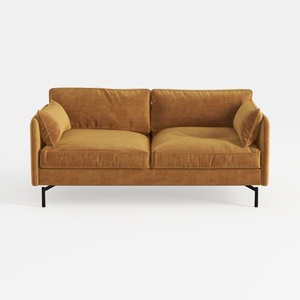
Modern Velvet Upholstered 2 Seater Sofa With Black Metal Legs 3D Model


Minimalist Fabric Curved Sectional Sofa 3D Model

Minimalist Black Stone Coffee Table Unique Irregular Shape 3D Model
Homestyler is your go-to online home design platform! With its user-friendly design tool, stunning 3D renderings, a vast array of design projects, and informative DIY video tutorials, you can effortlessly create and visualize your dream space—no prior experience needed!
Design Now for FREE
































