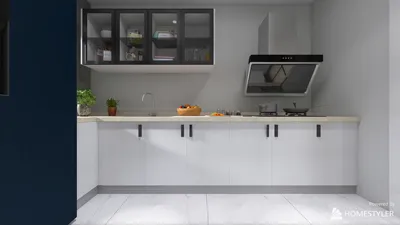


I design banquet halls to create a sense of openness and generosity, even at maximum capacity. The main objective is to orchestrate the flow of guests, optimize sightlines, manage lighting, and enhance acoustics. This ensures that every square foot is utilized effectively without creating a sense of overcrowding. When a space must adapt to accommodate weddings, corporate galas, or community gatherings, flexibility and seamless operations are fundamental to the design strategy, which can also be enhanced with tools like Homestyler.
Assessing capacity and comfort from the outset is vital. According to WELL v2 standards, maintaining sound levels between 40–45 dBA in commonly used spaces promotes comfort and aids in clear communication. For banquets featuring amplified sound, it’s essential to implement zoning and select materials that minimize reverberation, ensuring conversations remain intelligible. Research from Steelcase indicates that controlled acoustic environments can reduce cognitive load and improve concentration, a principle we integrate by employing acoustic mapping and specialized absorption panels. These standards help provide concrete planning insights for venue owners and operators.
Lighting design requires precision rather than guesswork. As per IES guidelines, dining settings should typically have light levels of around 100–200 lux at table surfaces, with increased accent lighting for focal points and pathways. A suitable warm light range of 2700–3000K for dining areas, and 3500–4000K for pre-function and service corridors, paired with glare-controlled downlights, enhances the appeal of faces and ensures high-quality photos. A combination of layered lighting—ambient, task, and accent—along with dimmable options guarantees smooth transitions from guests' arrival through to toasts and dancing.
Spatial Ratios and Flow
Begin with clear spatial ratios: allocate 60–65% for guest areas, 15–20% for back-of-house and service facilities, 10–15% for pre-function space, and 5–10% for storage or flexible areas. These proportions help keep events running smoothly while delivering a top-tier guest experience. I emphasize dual circulation paths: guests navigate wide aisles (minimum of 5 ft for primary paths and 3–4 ft for secondary), while staff maintain unobstructed routes, avoiding intersections with key photo opportunities or stage views. When evaluating various layouts, using a room planning tool like Homestyler can assist in confirming seating capacity, aisle widths, and sightlines.
Seating Density and Table Geometry
Round tables, typically ranging from 60 to 72 inches, remain the go-to choice for weddings due to their encouragement of social interaction and unobstructed sightlines; a 60 inch round can comfortably accommodate 8–10 guests, while a 72 inch can flex to 10–12 with thoughtful chair arrangement. For corporate contexts, deploying 6 ft long rectangular tables (30 x 72 inches) allows for tighter seating without sacrificing comfort, while also supporting direct views to stages. I avoid positioning chair backs within 18 inches of aisles to maintain flow. The sizing of dance floors should be approximately 4–5 square feet per guest when dancing is a highlight, and smaller for ceremonies.
Stage, Dance Floor, and AV Planning
Stages need to be positioned to anchor the room effectively without creating disconnection. I typically place stages opposite the main entrance to allow guests to orient themselves easily and minimize visibility of back-of-house areas. Lighting and projection rigging points should be strategically planned rather than improvised; channels for cables and hidden AV storage prevent trip hazards and visual distraction. Acoustic zoning, which might involve placing absorption materials near hard corners, and diffusers on walls can help maintain sound clarity even at elevated sound pressure levels. For insights on the intricate relationship between sound, cognitive engagement, and social dynamics in multi-functional spaces, I regularly reference steelcase.com/research.
Light as Atmosphere and Wayfinding
Ceiling height directly influences lighting strategies: for ceilings under 11 feet, it’s best to avoid flashy fixtures that generate glare at eye level; while those exceeding 12 feet benefit from distributing soft ambient light through perimeter coves and central chandeliers that create gentle shadows. It's essential to control the Unified Glare Rating (UGR) by shielding bright sources, particularly over tables. Lighting for service areas like accent bars and buffets should reach 200–300 lux, ensuring staff efficiency while providing guests with a warm ambiance. Dimmable lighting scenes allow MCs and photographers to work with consistent exposure.
Color Psychology and Material Palette
Color influences behavior significantly. Warmer neutrals and muted shades foster social connections, while vibrant accents work best on focal walls or for lighting effects. Research summarized by Verywell Mind on color psychology shows that warm colors promote social interaction, whereas cooler tones encourage tranquility. Combine these choices with tactile materials—inviting textures like velvet or chenille for warmth, breathable linens, and wooden finishes for a grounded visual appeal. High-traffic areas should feature carpets or vinyl with robust abrasion resistance. For areas prone to spills, select finishes that resist stains and easy-to-clean floor tiles for quicker turnover.
Ergonomics and Human Factors
Supporting comfort enhances guest satisfaction and prolongs the time they spend within the venue. Chair seats should be at a height of 17–19 inches with curved backs to alleviate pressure during extended meals. Ensure 24–26 inches of space per seated guest for arm and service clearance. Bar counters need to be 42 inches high with 12-inch footrests and stool seats at 30 inches to promote good posture. Strategically stagger service entry points every 40–60 feet to reduce cross-traffic. To accommodate all guests, at least 5% of seating should be accessible with 36-inch pathways, ramp slopes of 1:12, and clear sightlines to performance areas without detours.
Acoustic Comfort Without Overbuilding
It’s crucial to find the right balance between sound absorption and diffusion. Carpets and upholstered seating provide baseline sound absorption. Adding fabric or micro-perforated wood panels in mid-range frequencies where speech occurs can enhance clarity. Denser ceiling clouds above dance floors benefit from a higher level of absorption, whereas lighter treatments are preferably used in dining spaces. Avoid excessive sound dampening; maintaining a lively but controlled RT60 of around 0.8–1.2 seconds in larger rooms ensures vibrancy without echo.
Back-of-House Efficiency
Event managers evaluate a hall based on how quickly it can turn around for subsequent events. It's essential to include 2–3 dedicated service corridors and a clearly defined staging area adjacent to the loading dock. Food drop-off and plating stations should be situated no more than 50–80 feet from the furthest guest seating to maintain food quality. Opt for robust, non-porous surfaces and pathways that can withstand cart traffic without generating noise. Lighting in service zones may need to reach 300–500 lux to facilitate safe and efficient work.
Flexibility: Partitions and Storage
Investing in operable partitions allows efficient resizing of spaces for groups ranging from 80 to 400 guests without compromising on sound isolation. Where ceiling design permits, recessed tracks can be installed to enhance visual appeal. Ample storage—10–15% of the gross area—should be allocated for chairs, table decor, AV equipment, and linens. Proper labeling and modular shelving contribute to quick setups and minimize damage.
Pre-function, Arrival, and Photo Moments
Entry zones should create a sense of anticipation, beginning narrow before opening into a spacious pre-function area that includes bars, registration desks, and photo backdrops. Ensure that photo opportunities stay clear of service routes and are ideally positioned within 20–30 feet of natural light. Effective wayfinding should utilize contrast, lighting cues, and intuitive geometry rather than relying solely on signage.
Operations-Centric Lighting Controls
Predefined lighting scenes for reception, dining, toasts, dancing, and breakdown phases eliminate uncertainty for staff. Utilizing DMX or DALI lighting systems allows for refined control over both ambient and dramatic lighting fixtures. A glare-free illumination level of 150 lux ensures that staff can serve efficiently while creating a cozy atmosphere for guests. Emergency lighting should be independently wired and easy to access for timely inspection.
Sustainability and Durability
Utilize LED fixtures that boast high efficiency and a CRI of 90 or above for flattering appearances. Prioritize low-VOC finishes and FSC-certified woods to align with health and ecological standards. Reusable decor solutions—such as magnetic panels, modular floral arrangements, and slipcovers—help diminish waste and storage concerns. Furthermore, durable edges on dance floors and robust baseboards resistant to cart scuffs will lower long-term maintenance costs.
Testing Layouts Before You Build
Before finalizing any decisions, I simulate various seating arrangements, stage placements, and dance floor setups to stress-test service routes and sightlines. Leveraging an interior layout planner can help visualize guest density, lighting zones, and acoustic treatments, enabling operators to consider trade-offs early in the planning process.
Authority References
I rely on data from steelcase.com/research regarding cognition and acoustic comfort, as well as ies.org/standards for lighting guidelines. These references inform sound design choices and assist owners in justifying the investments that enhance guest experiences, even if they are not immediately visible.
FAQ
To accommodate seated dining with service aisles, plan for approximately 12–15 square feet per guest. If dancing and staging take precedence, adjust to 15–20 square feet to maintain circulation and sightlines.
Aim for lighting levels of 100–200 lux at dining tables and 200–300 lux at bar and buffet areas. Utilize dimmable ambient layers with glare control to keep faces well-lit and photographs consistent.
60 inch rounds can seat 8–10 guests comfortably while encouraging interaction. Rectangular tables measuring 30 x 72 inches are ideal for corporate functions and tighter seating arrangements, ensuring clear views of the stage.
Achieve a balance between absorption (carpet, upholstered seating, and fabric panels) and diffusion (textured walls and ceiling features). Target an RT60 of around 0.8–1.2 seconds with sound zoning to minimize noise disruptions during dining.
Ensure primary aisles are 5 feet wide to facilitate smooth service and guest movements and secondary aisles are 3–4 feet wide to maintain flexibility. Avoid having chair backs positioned within 18 inches of an aisle.
The use of operable partitions allows for adaptable room configurations while ensuring sound quality is retained. Recessed tracks and perimeter seals contribute to a sophisticated aesthetic and prevent sound leakage.
Utilize warm neutral tones with desaturated accents to foster connections, while cooler colors are more suitable for serene lounge spaces. Lighting temperatures of 2700–3000K in dining areas bolster the intended mood.
Plan for 10–15% of the overall space to accommodate the storage of chairs, linens, decorations, and AV equipment. Modular shelving and effective labeling can streamline setups and lessen potential damage.
Pre-set lighting scenes for various phases, including reception, dining, toasts, dancing, and breakdown. DALI or DMX systems help coordinate multiple lighting elements, ensuring emergency circuits are independently maintained.
Allow for 36-inch wide clear pathways and at least 5% of seating to be accessible, while ensuring clear sightlines to the stage. Maintain ADA-compliant ramp slopes at 1:12 and provide accessible restrooms and entrances.
Originally incubated at Autodesk, Homestyler has grown into one of the most widely adopted home design platforms in the world, now trusted by over 18 million users. Whether you're a homeowner exploring ideas or a professional designer delivering client-ready renders, Homestyler brings industry-leading 3D technology to your fingertips — no experience required.
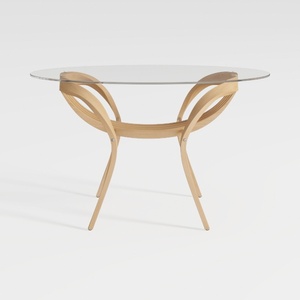

Modern Solid Oak Glass Top Oval Dining Table 3D Model
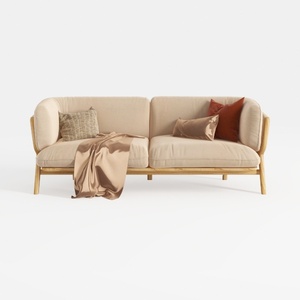
Minimalist Solid Wood Linen Fabric Loveseat Sofa 3D Model
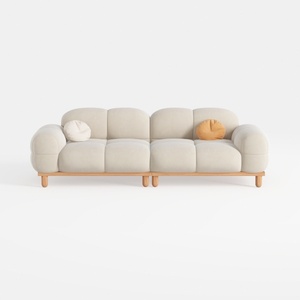
Minimalist Beige Fabric Solid Wood Sofa 3D Model
Homestyler is your go-to online home design platform! With its user-friendly design tool, stunning 3D renderings, a wealth of design projects, and engaging video tutorials, transforming your living space has never been easier. Bring your dream home to life effortlessly!
Design jetzt kostenlos
































