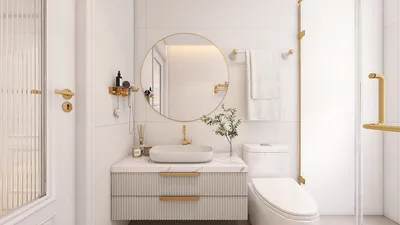


Once, I whimsically decided to paint a tiny studio in a vibrant turquoise, leading to a late-night call from the client. They were part gratitude and part desperate plea, as their cat refused to sleep in this new hue. Such delightful chaos is precisely why I cherish bold wall colors—they compel you to confront real issues. In this article, I'll demonstrate how turquoise wall paint can act as a superpower for small spaces, illustrated with examples and case studies that visualize layouts effectively.
1. Turquoise as a Backdrop for Light Woods
I frequently combine warm, light oak with a muted turquoise, creating a modern yet cozy atmosphere. The wood tones balance the coolness of the paint—ideal for living areas where a serene vibe is desired.
Why does this work? The contrast adds warmth to the palette without the need for loud accessories. However, be cautious: if your wood has too much yellow, be sure to test small swatches first—some combinations may feel outdated. Budget-friendly tip: purchase sample pots for $5–10 before making a final decision.
save pin
2. Consider a Turquoise Accent Wall with Vertical Stripes
In a narrow hallway, I implemented a turquoise accent wall with subtle vertical stripes to create an illusion of height. This approach lengthened the sightline and gave the corridor a curated feel rather than a cramped one.
The advantage? It's a cost-effective optical trick with a substantial impact. The challenge lies in painting precise stripes, which demands patience—utilize low-tack painter's tape and apply the roller lightly along the edges. This method is perfect for those seeking drama without the need to repaint the entire room.
save pin
3. Combine Turquoise with Brass and Textiles for a Layered Appearance
In a compact kitchen nook, I merged turquoise walls, brass hardware, and textured textiles to create a layered effect that felt inviting rather than cluttered. Metals introduce warmth and enhance light—especially beneficial in small areas.
Pro tip: evaluate metallic finishes next to a painted swatch at different times throughout the day. If you're looking to design the layout and furnishings around this color scheme, consult a kitchen planning gallery for inspiration and size references. One minor downside: brass can show fingerprints, so keep in mind the need for regular maintenance.
save pin
4. Use Turquoise in Small Bathrooms to Evoke Spa-like Atmospheres
Compact bathrooms are wonderfully forgiving for bold colors. One of my favorite designs featured turquoise paired with matte white tiles, transforming a 4.5 sqm space into a serene spa-like retreat.
Here's why I recommend it: water-friendly areas embrace vibrant hues, with turquoise providing a refreshing contrast to chrome or charcoal fixtures. Just be mindful of grout and airflow—darker grout can conceal stains while proper ventilation prevents mold.
save pin
5. Ombre or Gradient Turquoise for a Subtle Impact
When a bold splash of color felt too daring for a studio bedroom, I opted for an ombre turquoise wall that gracefully transitions to near-white at the ceiling. This technique introduces drama without heaviness, creating the illusion of a higher ceiling.
The upside? You can customize the intensity, and it's relatively simple to achieve with two or three paint cans. However, blending requires practice—so plan for extra paint and time. When presenting concepts to clients, I often utilize high-quality renders, which can assist in securing their commitment.
save pin
FAQ
Q: Is turquoise an appropriate color for small rooms?
A: Absolutely—turquoise can infuse a small room with airiness when paired with light neutrals or warm woods. Utilize it for an accent wall or in a gradient to prevent overwhelming the space.
Q: What paint sheen is best for turquoise walls?
A: Eggshell or satin finishes are typically ideal for living areas—easy to clean with a subtle sheen but not overly reflective. In kitchens or bathrooms, semi-gloss might be a better choice for moisture resistance.
Q: How do I determine the right shade of turquoise?
A: Test swatches in varying light conditions at multiple times of the day. Cooler turquoise leans more towards blue and offers a calming effect, while greener turquoise conveys warmth and liveliness—choose based on the atmosphere you wish to create.
Q: Can turquoise clash with patterned furniture?
A: It may clash, but patterns featuring neutral bases or complementary colors (like navy, terracotta, or mustard) usually harmonize well. Maintain one dominant pattern while allowing the paint to enhance it.
Q: How much paint is needed for an accent wall?
A: A single gallon typically suffices for most accent walls, although this may vary depending on wall porosity and paint coverage. Always consider buying an extra sample can for touch-ups.
Q: Are there trustworthy resources on paint finishes and maintenance?
A: Definitely—manufacturers such as Sherwin-Williams provide extensive information on sheen, coverage, and care; refer to Sherwin-Williams’ technical resources at https://www.sherwin-williams.com for detailed insights on finishes and upkeep.
Q: Is turquoise a timeless choice or merely a trend?
A: Turquoise does oscillate between trend and timelessness, but when applied thoughtfully—complemented with classic materials such as wood or brass—it can emit a timeless quality. The secret lies in moderation and optimal lighting.
Q: Any swift budget tips for applying turquoise paint?
A: Start with sample pots, apply primer over dark walls, and contemplate painting just one wall or the ceiling edge to maximize your budget. DIY blending or opting for simple stripes can reduce labor charges.
save pin
Discover the joy of home design with Homestyler! This user-friendly platform offers a powerful online design tool, stunning 3D renderings, and a wealth of inspiring design projects. Plus, with easy-to-follow video tutorials, you can turn your creative visions into reality—perfect for anyone looking to transform their space!
Zaprojektuj teraz za darmo
































