


When we consider the architectural styles that capture the essence of the 1920s, Tudor homes prominently emerge with their distinct features. Drawing inspiration from medieval English architecture, these residences are characterized by their sharply pitched gable roofs, intricate half-timbering, and exceptional brickwork. The fusion of these aspects creates living spaces that are both inviting and sophisticated, making them perfect for those utilizing design tools like Homestyler.
A standout trait of Tudor house designs is their adaptability, catering to families seeking the perfect balance of functionality and aesthetics. Typically, a Tudor home showcases an expansive living area, grand fireplaces, and multiple interconnected smaller rooms that foster a seamless flow. Let’s explore further what contributes to the appeal of these designs.
Features of Tudor House Designs from the 1920s
Prominently, the steep roofs and irregular facades provide Tudor homes with a unique appearance. Often constructed with rich wood, stone, and brick, they beautifully complement the textured attributes these houses present.
Another significant element is the layout. Numerous Tudor house designs from the 1920s are created to optimize living space within a small footprint, making them particularly suitable for urban environments where space can be limited.
Why Opt for a Tudor House Design?
If you’re considering building or renovating a home that reflects this timeless style, it’s important to recognize the advantages. Tudor houses emanate a warm and welcoming atmosphere that appeals to many homeowners. Moreover, their historical charm can often enhance the value of your property.
From charming nooks to expansive living areas, the versatility of a Tudor design effectively accommodates modern living preferences while retaining traditional aesthetics. Have you contemplated how these plans could fit into your living space? The integration of contemporary comforts with classic designs ensures these homes remain relevant in today’s real estate market.
Frequently Asked Questions
Q: What are the defining features of 1920s Tudor homes? A: Defining features consist of steeply pitched roofs, decorative half-timbering, stone and brick exteriors, and complex gable structures.
Q: Can Tudor house designs cater to the needs of modern families? A: Absolutely, many Tudor layouts have been modified to accommodate contemporary living while retaining their classic allure.
Strategies for Integrating Tudor Features into Your Home
Think about merging traditional Tudor elements with modern amenities. Incorporate rich wood finishes, enhance with decorative molding, and feature a prominent fireplace as a centerpiece. Additionally, focus on landscaping; traditional Tudor gardens typically boast lush greenery and picturesque pathways that elevate the overall aesthetic, much like how Homestyler allows you to visualize these enhancements effectively.

Minimalist Solid Oak Linen 3 Seater Sofa 3D Model
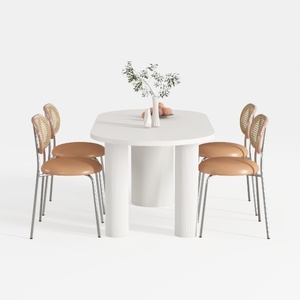
DUOMAY Modern Boucle Dining Chairs Set of 2,
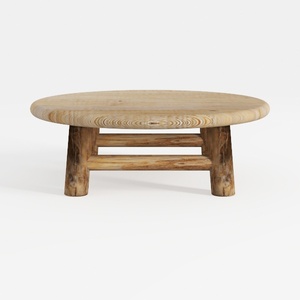

Rustic Solid Wood Round Coffee Table 3D Model
Looking to transform your home effortlessly? Homestyler offers a user-friendly online design tool, stunning 3D rendering, and a wealth of design projects and video tutorials. Perfect for anyone wanting to unleash their creativity and bring their design ideas to life!
Projete agora para LIVRE
































