


Direct Solution
The majority of layout challenges in a 14x20 living room stem from three main issues: obstructed pathways, improper furniture spacing, and misaligned focal points. Addressing these typically involves clearing walkways, optimizing distance between seating and the TV, and rearranging large furniture for balanced visual appeal.
Once these essential elements are adjusted, even challenging rectangular rooms tend to function smoothly again.
Key Highlights
Overview
With over ten years of experience working on rectangular living rooms, I've discovered that the 14x20 room size itself rarely causes problems. Instead, furniture placement is the usual culprit.
Clients repeatedly report similar issues: cramped paths, sofas blocking movement, uncomfortable TV viewing angles, or a crowded feeling despite ample space on paper.
Before relocating anything haphazardly, I often use digital tools to recreate the room layout to assess spacing and traffic flow. Using platforms like Homestyler, it becomes clear where problems lie, which might be invisible from ground level. This interactive planning approach helps homeowners test various furniture arrangements virtually rather than moving heavy pieces blindly.
This article explores common errors in arranging furniture within 14x20 living rooms and offers straightforward fixes without overhauling the entire space.
save pin
Indicators Your 14x20 Living Room Arrangement Needs Improvement
Insight: Layout failures often arise when traffic movement and focal areas interfere.
People frequently push all furniture against the walls in rectangular rooms, thinking it maximizes space. However, this often creates odd empty zones in the center and forces foot traffic right through seating areas.
Typical signs include:
In various projects I've handled in Los Angeles condos, simply rotating a main sofa by 90 degrees resolved multiple issues immediately by opening pathways and aligning viewers directly toward the TV.
Resolving Blocked Walkways and Traffic Flow
Insight: Movement should navigate around sitting areas, not cut through them.
A common mistake in 14x20 rooms is requiring people to pass through conversation clusters to get around.
The American Society of Interior Designers advises:
To improve traffic flow:
If you want to test movement patterns prior to actual furniture shifts, a 3D floor planner like Homestyler can help visualize walkways and gaps realistically.
save pin
Fixing TV Viewing Distance Issues
Insight: Incorrect sofa-to-TV distance quickly reduces comfort in a living space.
Many place their couch based on available space, then add the TV later, often resulting in poor sightlines.
Recommended viewing distance guidelines are:
Within a 14x20 living room, placing the sofa approximately one-third along the length from the TV wall creates ideal viewing and circulation space behind seating.
Additionally, slightly angling seating rather than facing the TV dead-on can foster a relaxed and inviting atmosphere in modern layouts.
Quick Fix Summary
The fastest way to improve a 14x20 living room layout is to ensure unobstructed paths, correct TV viewing distances, and balanced furniture spread. Ignoring any of these basics often causes discomfort or awkwardness.
Addressing Crowding From Furniture Size
Insight: Oversized furnishings—more than room dimensions—are usually why spaces feel cramped.
A frequent error is placing pieces designed for larger suburban homes into smaller rectangular rooms without scaling appropriately.
Common crowding issues include:
To counter this, follow spacing rules such as those offered by Homestyler, which help maintain breathing room around furniture.
A layout that leaves slight gaps around furniture edges almost always feels more spacious.
save pin
Enhancing Visual Balance in Layout
Insight: A room feels 'right' when visual weight distributes evenly across the floor plan.
If all heavy pieces cluster on one side in a 14x20 living room, the space feels unbalanced despite functional design.
Designers often use balancing strategies such as:
In a recent apartment makeover, repositioning a lounge chair from a corner to the opposite side of the sofa instantly stabilized the room’s visual flow.
Simple Layout Tweaks with Immediate Impact
Insight: Minor modifications often resolve layout issues quicker than purchasing new furniture.
Try these subtle fixes before major changes:
For complete redesigns, experimenting with layouts digitally saves time and effort. Tools like Homestyler’s AI-assisted room planner help professionals and homeowners test multiple arrangements virtually before moving actual furniture.
save pin
Final Recap
FAQs
Why does my 14x20 living room feel tight?
Large sectionals, bulky coffee tables, and furniture pushed against walls frequently cause the sensation of crowding even in rooms that are fairly sized.
What’s the optimal sofa placement in a 14x20 living room?
Generally, placing the sofa about one third of the room’s length away from the TV wall allows for comfortable viewing and adequate circulation behind the seating.
How wide should walkways be in a living room?
Primary pathways should measure between 30 and 36 inches, providing enough room for easy movement between seats and entries.
Is a sectional suitable for a 14x20 living room layout?
Yes, but choose compact sectionals under 95 inches in width and avoid pushing them directly against two walls.
How far should a sofa be placed from the TV?
Ideal viewing distance equates to roughly 1.2 to 1.6 times the diagonal measurement of the TV screen.
What causes awkward furniture arrangements in living rooms?
Common causes include poor focal point alignment, blocked traffic routes, and oversized furniture pieces.
How can I fix an awkward rectangular living room layout?
Create a central seating zone, maintain clear pathways, and distribute furniture visually across the space for balance.
Do rugs influence furniture layout?
Absolutely. Correctly sized rugs anchor seating areas and define boundaries for furniture placement.
Sources
American Society of Interior Designers – Residential spacing standards
National Association of Home Builders – Guidelines for living room layouts
Built on technology originally developed at Autodesk, Homestyler empowers anyone to design beautiful, realistic spaces in minutes. Join over 18 million users who have already discovered a smarter way to plan, visualize, and bring their dream homes to life — all from the comfort of a browser.
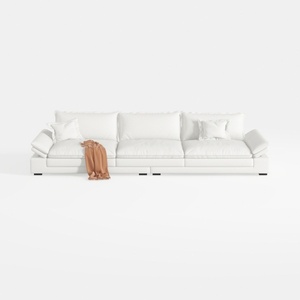

Minimalist White Leather Extra Large Sofa 3D Model
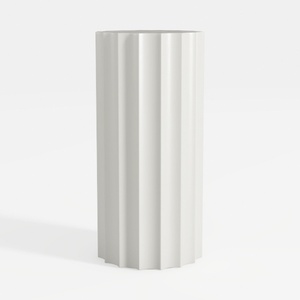
Minimalist White Fluted Cylindrical Side Table 3D Model

Minimalist White Wainscoting Wall Panel 3D Model
Homestyler offers an easy-to-use online design tool with stunning 3D renderings, a vast collection of interior projects, and helpful DIY video tutorials—perfect for turning your home design ideas into reality quickly and creatively.
Progetta ora GRATIS
































