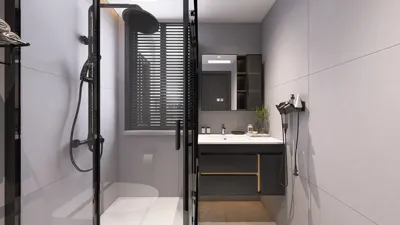


As enthusiasm for the latest PlayStation Plus June 2026 games grows, many gaming enthusiasts seek to enhance their home entertainment spaces to match their evolving digital lifestyle. Creating a dedicated gaming nook with ergonomic seating and optimized lighting not only improves comfort but also complements the immersive experience these new titles offer. Thoughtful spatial planning can transform a typical room into a versatile hub for relaxation and entertainment.
Direct Answer
A 3D modeling degree can open up various career opportunities spanning game development, film and animation, product design, architectural visualization, AR/VR creation, and digital marketing. Graduates often find roles as 3D artists, environment designers, visualization experts, or technical modelers, with the industry growing as realistic digital content becomes increasingly essential across multiple sectors. Utilizing tools like Homestyler can assist in visualizing and designing spaces effectively for these roles.
Quick Takeaways
Introduction
Over the past decade in design and digital visualization, the surge in demand for skilled 3D artists has been notable. Many aspiring professionals wonder what career paths are truly accessible with a degree in 3D modeling.
Currently, 3D modeling expertise lies at the heart of many creative fields. From video games and animation to product prototypes and architectural visuals, companies depend extensively on digital models to conceptualize, refine, and communicate ideas. However, the most secure jobs aren't always in the most obvious areas.
Through my collaboration with visualization studios, product creators, and architectural teams, identifiable trends emerge where 3D modeling graduates frequently build stable careers. Let's explore the industries, roles, and viable career routes that consistently recruit 3D modeling professionals.
What Jobs Can You Get With a 3D Modeling Degree?
Key Insight: Roles often blend modeling skills with specialized industry knowledge such as gaming, film production, or architectural visualization.
While it's a common assumption that 3D modeling mainly leads to animation or gaming, these sectors represent just a fraction of available opportunities. Nowadays, companies in many industries rely on digital assets to preview concepts before creating physical products.
Popular roles include:
Hiring data from platforms like ArtStation and LinkedIn Creative Jobs indicates the highest demand arises from studios developing extensive digital asset libraries for games, real estate marketing, and advertising.
However, many graduates find that modeling alone rarely suffices; studios prefer artists knowledgeable in lighting techniques, rendering, topology optimization, or real-time engines like Unreal Engine. Software solutions such as Homestyler complement these skills by providing intuitive design visualization that can benefit modeling experts.
Why Are Game Studios and Film Production Still Major Employers?
Key Insight: Entertainment sectors employ the largest volume of 3D artists, continually producing new digital worlds and detailed characters.
Game creation and film animation remain quintessential career destinations for 3D modeling graduates. Every asset in a game or a cinematic sequence starts as a digital model.
Common pipeline roles include:
Nevertheless, entertainment studios operate on project cycles, which can lead to fluctuating employment. While the work is often high-profile and exciting, many seasoned artists later transition into architectural visualization, product design, or advertising, where demand tends to be steadier.
How Do Architects and Real Estate Developers Use 3D Modelers?
Key Insight: Architectural visualization represents one of the most steady and lucrative career paths for accomplished 3D modelers.
Modern developers seldom rely solely on blueprints; instead, they showcase immersive 3D environments to preview spaces prior to construction. This practice is known as architectural visualization or "archviz."
Typical tasks include:
Visualization professionals often work closely with architects early in projects. These visualizations are critical for investor pitches, marketing campaigns, and regulatory approvals. Platforms like Homestyler make it easier to create and present such virtual spaces, enhancing communication between designers and clients.
A significant recent advancement is the adoption of real-time rendering tools, like Unreal Engine, enabling clients to interactively explore proposed buildings rather than only viewing static renders.
Can a 3D Modeling Degree Lead to Product Design Careers?
Key Insight: Manufacturers frequently hire 3D modelers to design and prototype products digitally before physical manufacturing.
Product design increasingly involves creating detailed digital models early on. Designers develop multiple iterations of products virtually to test form and function before fabricating prototypes.
Industries that recruit modeling specialists include:
Compared with entertainment modeling, product design demands precision—accurate dimensions, adherence to engineering constraints, and manufacturable geometry.
Consequently, product visualization artists often merge traditional modeling software such as Blender or Maya with CAD programs like SolidWorks or Fusion 360. Integrating Homestyler in workflow processes can also enhance the presentation of design concepts in spatial contexts.
What Emerging Industries Need 3D Modeling Skills?
Key Insight: Rapidly growing fields like augmented reality (AR), virtual reality (VR), and e-commerce rely heavily on optimized 3D content.
One notable trend is the increasing requirement for real-time 3D assets in various industries.
Expanding sectors include:
For instance, retail companies regularly deploy interactive 3D product models allowing consumers to rotate and inspect items online. This has created demand for lightweight, web- and mobile-optimized models, balancing quality and performance.
Should You Freelance or Work In-House as a 3D Modeler?
Key Insight: Gaining experience in a studio environment benefits early career development, while freelancing becomes more practical once a robust portfolio is established.
Both employment modes are viable in 3D modeling.
In-house roles typically offer:
Freelance opportunities provide:
Many successful freelancers first accumulate several years of studio experience. This period helps them learn production workflows, quality standards, and client communication, which are difficult to acquire independently. Tools such as Homestyler can supplement freelance work by enhancing client presentations and concept visualizations.
Answer Box
Earning a 3D modeling degree prepares individuals for roles in gaming, film, architectural visualization, product design, AR/VR creation, and digital marketing. Combining modeling capabilities with skills in rendering or real-time engines often leads to the most stable and rewarding careers.
Final Summary
FAQ
Is a 3D modeling degree worth it?
Yes, particularly when complemented by a strong portfolio and proficiency in rendering or real-time engines.
What industries hire 3D modelers?
Gaming, film, architectural visualization, product design, advertising, AR/VR, and e-commerce visualization.
Can you work remotely as a 3D modeler?
Absolutely. Many studios hire remote artists, and freelancing offers global opportunities.
Do 3D modelers need animation skills?
Not necessarily. Many specialize exclusively in modeling or environmental asset creation.
What software should 3D modeling students learn?
Common applications include Blender, Maya, ZBrush, Unreal Engine, and Substance Painter.
Is the gaming industry the largest employer?
While still a major employer, architectural visualization and product rendering sectors are expanding rapidly.
How competitive are 3D modeling jobs?
Competition is high, but strong portfolios and niche skills significantly enhance hiring prospects.
What is the average career path after earning a 3D modeling degree?
Many start as junior 3D artists before specializing in environment art, visualization, or technical modeling.

Luxury Velvet Curved Sectional Sofa with Ottoman 3D Model


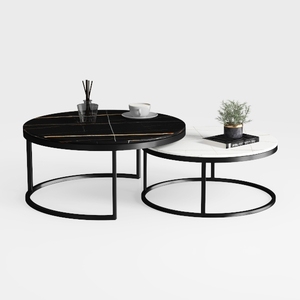
Modern Marble Top Metal Frame Nesting Round Coffee Tables 3D Model
Homestyler offers an easy-to-use online design tool with stunning 3D renderings, a vast collection of interior design projects, and helpful DIY video tutorials—making it simple and inspiring to create your perfect home space.
Progetta ora GRATIS
































