


In today's smart homes, seamless integration of technology like the Nest app is key to managing comfort and security effortlessly. When the Nest app faces interruptions, it reminds us how crucial a reliable tech setup is in our living spaces. Designing furniture that accommodates smart devices while maintaining aesthetic harmony can enhance the overall functionality and atmosphere of any room, making technology a natural part of our home environment.
Executive Summary
Home remodeling errors can be costly, disruptive, and surprisingly prevalent. Issues such as inaccurate measurements, cramped furniture design, or lighting plans that look promising on paper but fail under natural light commonly cause budgets to overshoot by 15–30% and extend timelines by weeks. Fortunately, AI-driven design platforms like Homestyler enable homeowners to visualize, test, and amend planning mistakes before any physical renovation begins. This article explores the most frequent renovation pitfalls that AI can detect early, how to integrate these tools into a thorough planning process, and when human insight remains indispensable to avoid misplaced trust in AI recommendations.
The Real Cost of Renovation Mistakes
Minor mistakes can quickly escalate during remodeling projects. Ordering a vanity slightly too wide by three inches may require plumbing adjustments; knocking down a wall intended to open a floor plan can reveal unexpected structural challenges. When such issues arise mid-project, contractors typically impose premium fees for change orders, and material delivery schedules are reset, causing delays.
These problems often originate from relying solely on 2D drawings, verbal descriptions, or imagination without experiencing the design firsthand. AI visualization apps such as Homestyler help bridge this gap by generating photorealistic previews of actual spaces within minutes, allowing you to identify spatial conflicts, layout flaws, and material mismatches before costly errors occur.
Common Renovation Mistakes AI Can Surface
Below is a summary of typical planning errors paired with the AI-driven methods for catching them early:
How AI Remodel Review Works: A Practical Workflow
Employing AI-assisted renovation planning typically follows a consistent routine. The standard five-step process suitable for many home projects includes:
What AI Catches That Humans Often Miss
Even those experienced in home improvement can overlook details. For example, a refrigerator's depth specs might exclude door clearance, or a bathroom plan may show insufficient toilet spacing. Since AI tools like Homestyler treat furniture and fixtures as 3D models, they immediately flag these issues compared to traditional 2D plans.
Lighting is frequently underestimated in many renovation plans—just placing a ceiling light here or a pendant there. AI rendering solutions simulate the interaction of natural and artificial light throughout the day. For instance, a kitchen island bathed in sunlight at noon may be left in shadow by late afternoon. Catching this during design helps avoid the need for expensive electrical modifications post-installation.
Color and material perception can also mislead; a tile appearing warm beige under showroom lights might turn gray under your home's northern exposure. AI material preview tools overlay finishes on photos of your actual rooms, preserving true lighting and surroundings. Combining these visualizations with physical samples ensures the most accurate expectations.
Sequencing mistakes, such as demolishing load-bearing walls before installing temporary supports or tiling a bathroom prior to plumbing rough-in, often stem from treating projects as simple to-do lists rather than interdependent workflows. AI scheduling in Homestyler models task dependencies to reveal conflicts early, preventing costly mid-construction setbacks.
Limitations: What AI Cannot Replace
While AI design apps provide valuable conceptual insights, they do not replace professional expertise in critical areas such as:
Use AI as a tool to streamline planning and catch common, avoidable errors. When an issue is flagged—a clearance problem, a lack of light, a material mismatch—investigate it thoroughly. However, always corroborate major structural, regulatory, and budget-related decisions with qualified experts.
Practical Checklist Before You Start Any Remodel
Pair this checklist with AI planning tools like Homestyler to address human factors software cannot predict:
FAQ
Q: Can AI fully prevent renovation mistakes? A: No. AI serves as a visualization and planning aid rather than a foolproof solution. It substantially reduces errors in measurements, layouts, lighting, and materials, but licensed professionals must still oversee structural, code compliance, and budgeting decisions.
Q: Which renovation mistakes does AI detect best? A: Measurement inaccuracies, clearance oversights, inefficient traffic flow, improper lighting placement, mismatched materials and colors, and sequencing conflicts are among the primary issues AI tools catch early.
Q: Do I need special equipment to use AI renovation planning tools? A: A smartphone equipped with LiDAR (like many iPhones since 2020 or certain newer Android devices) yields optimal room scans. Standard cameras also work through photogrammetry-based methods but with somewhat less dimensional accuracy.
Q: Are AI-generated floor plans reliable enough for contractors? A: They are sufficient for conceptual discussions and design communication. However, contractors always perform their own measurements for fabrication and installation. Depending solely on AI dimensions for custom orders is not advised.
Q: How does AI assist with renovation budgeting errors? A: AI-based cost estimators compare project descriptions with regional cost databases, highlighting often overlooked items such as structural work, mechanical rough-ins, and permits. This offers homeowners a more comprehensive pre-bid estimate, but final figures rely on contractor bids.
Q: Is AI renovation planning appropriate for DIY projects? A: Yes, especially for cosmetic updates like flooring, painting, and fixture changes. For structural alterations or systems work, use AI to visualize but hire licensed professionals for execution.

Vintage Thickened Sideboard Buffet Cabinet Accent
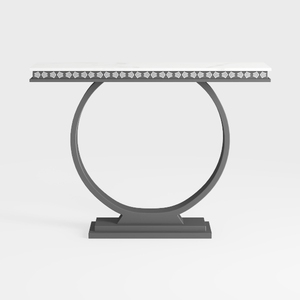
Art Deco Marble Top Metal Console Table with Geometric Trim 3D Model

Minimalist Modern White Open Bookshelf Display Shelf 3D Model
Homestyler offers an easy-to-use online home design tool with stunning 3D renderings, inspiring design projects, and helpful DIY video tutorials. It’s perfect for bringing your interior design ideas to life quickly and beautifully. Give your space a fresh, personalized look with Homestyler!
Desain sekarang Gratis
































