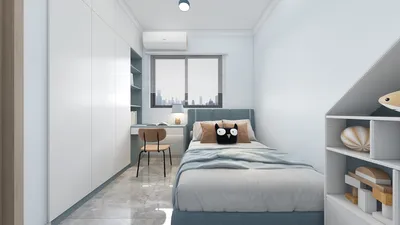


As new Xbox Game Pass games continue to expand the horizons of digital entertainment, many gamers are seeking comfortable and functional spaces that enhance their immersive experience. Creating a dedicated gaming nook with ergonomic seating and smart lighting can transform any room, blending technology seamlessly with home design to support extended play and relaxation.
When it comes to 3D modeling software, designers utilize a variety of tools tailored to their specific needs. Popular programs include Blender, SketchUp, Autodesk 3ds Max, Rhino, and Fusion 360. Each serves distinct purposes depending on whether the focus is on visualization, architecture, product design, or engineering.
Most professional designers prefer to combine multiple software solutions rather than relying on a single application. This hybrid approach optimizes efficiency, leverages specialized features, and enhances overall project outcomes.
Why do professionals rarely depend on just one 3D modeling software? The key reason lies in the complementary strengths different tools offer for tasks like modeling, rendering, and animation. For example, a base model might be crafted in SketchUp, refined in Blender, and rendered using a dedicated engine, enabling a streamlined and effective workflow.
Blender stands out as a powerful free option for professional-grade 3D modeling. It has evolved well beyond its earlier reputation as a hobby tool, gaining widespread adoption in animation studios and visualization teams, supported by prominent industry backers.
SketchUp remains popular among architects and interior designers due to its speed and simplicity in creating conceptual architectural models. While it has limitations, its ability to quickly translate ideas into spatial layouts is unmatched for early design stages.
Product and industrial designers often use parametric modeling software like Rhino or Fusion 360, which allow for high precision and integration with manufacturing workflows. Rhino excels at creating complex curved surfaces, while Fusion 360 combines design with simulation and fabrication tools.
For large-scale architectural visualization, 3ds Max remains the dominant software, particularly in studios managing complex scenes with vast object libraries and intricate lighting. Its robustness in handling heavy projects makes it a staple in commercial pipelines.
Beginners selecting 3D modeling software often make the mistake of choosing based on popularity rather than project requirements. An effective strategy involves assessing modeling speed, rendering quality, and software compatibility, gradually adopting multiple tools for optimal results.
Innovative home design platforms like Homestyler facilitate the integration of digital modeling within interior spaces, helping users visualize and plan ergonomic and visually appealing environments that complement gaming setups or professional workspaces.


Homestyler offers an easy-to-use online design tool with stunning 3D renderings, inspiring interior projects, and helpful DIY video tutorials—making it simple and fun to create your perfect home design.
تصميم الآن مجانا
































