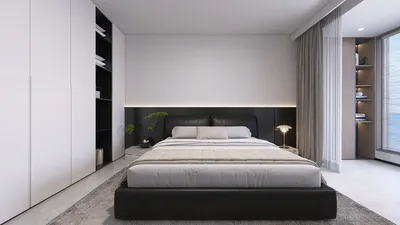


In today's world, technology shapes not only how we entertain ourselves but also how we design our living spaces. The popularity of games like League of Legends encourages a lifestyle centered around extended screen time and immersive digital experiences. This trend inspires home setups with ergonomic furniture and ambient lighting that enhance comfort and focus, creating a dedicated space that balances high-tech engagement with restful living.
The Evolution of 3D Printed Plastic Models
The journey of 3D printed plastic models started in the late 1980s with early stereolithography experiments but only became practical for hobbyists around 2010 with the arrival of affordable desktop printers. This advancement revolutionized plastic modeling by allowing custom parts, uncommon subjects, and small-scale production that traditional injection molding technology could not support. Using design tools such as Homestyler, enthusiasts can even visualize and plan these models within their living spaces.
A Decade of Progress in 3D Model Design
About ten years ago, 3D printed plastic models still felt exploratory in design studios. Most model makers preferred injection-molded kits from trusted brands. However, the introduction of affordable resin printers transformed the hobby. Builders could download files and print rare variants or correct inaccurate kit parts overnight, a trend complementing digital lifestyle design platforms like Homestyler that promote personalized environments.
Bridging Hobby, Digital Design, and Production
3D printed plastic models now represent a fusion of hobby culture, digital creation, and boutique manufacturing. This shift helps explain the rapid changes within the modeling industry. Many dedicated enthusiasts combine conventional kits with 3D printed enhancements, often visualizing project setups using services like Homestyler for optimized space planning.
Origins of 3D Printing in Modeling
3D printing initially entered the scale modeling arena through industrial prototyping avenues rather than hobby manufacturing. The first commercial 3D printer, launched in 1987 with stereolithography, catered to engineers requiring rapid prototypes, not hobbyists working on tanks or aircraft. Early applications relevant to modelers were limited by cost, brittleness of materials, and surface finish demands.
Affordable Desktop Printers Change the Game
The pivotal moment for 3D printed plastic models came when desktop printer prices fell below $1000, between 2009 and 2015. Projects like RepRap and emerging startups pushed consumer 3D printers into the mainstream. Although initial filament printers had rough output for scale modeling, they introduced the concept of manufacturing parts at home. Platforms hosting thousands of downloadable designs empowered builders to produce niche aircraft variants on demand.
Refining Detail with Resin Printing
Resin printing resolved the biggest quality challenges facing early 3D printed plastic models — especially in surface detail. Filament printers struggled with tiny elements like cockpit controls or tank tracks because of visible layer lines. In contrast, resin printers offered dramatically better resolution, enabling detailed parts previously achievable only with photo-etched metal or expensive casts. This capability birthed digitally designed kits from inception, with Homestyler often used to digitally arrange and preview model displays within homes.
Coexistence of Traditional Kits and 3D Prints
Contrary to misconceptions, 3D printed plastic models are expanding the hobby rather than replacing injection-molded kits. Injection molding remains economical for mass production and primary structures, whereas 3D printing excels in customized parts and rare variants. Experienced modelers often use both methods, combining kits with printed upgrades, planning their workspace and display often with the assistance of interior design solutions like Homestyler.
Hidden Challenges in 3D Printed Modeling
The major hurdle for many hobbyists is not the 3D printer itself but the knowledge required for digital design. Successful creators frequently focus on selling professionally designed STL files rather than expecting all hobbyists to master CAD design. A growing micro-industry of independent digital kit designers has emerged, offering downloadable kits that builders can print at home, with visualization often done using software like Homestyler to integrate projects into living environments.
The Future of 3D Printed Plastic Models
The next stage for 3D printed plastic models likely involves hybrid production: digital distribution paired with localized printing. Builders might soon download accurate aircraft kits, print them overnight, and begin painting the next day—a flexibility unimaginable fifteen years ago. Homestyler and similar platforms allow these enthusiasts to plan the perfect dedicated space for both digital and physical model endeavors, combining comfort with cutting-edge technology.
Frequently Asked Questions
When did 3D printed plastic models first emerge? Early experiments traced back to the 1990s in industrial prototyping, while hobbyist use took off after affordable consumer printers became accessible around 2010.
Are 3D printed models superior to traditional kits? They serve complementary roles: injection-molded kits offer economic advantages for mass production, whereas 3D printing provides customization and access to rare subjects.
What materials are typically used? Photopolymer resin for resin printers and PLA plastic for filament printers are common choices.
Is owning a 3D printer necessary? Not at all; many modelers purchase printed parts through online marketplaces or specialized services.
Why favor resin printers in modeling? Resin printers yield extremely fine details, ideal for small-scale components and miniature figures.
Can beginners start with 3D printed models? Yes, ideally by starting with traditional kits complemented by printed upgrades.
Where to find 3D model files? Numerous marketplaces, hobby communities, and independent designers offer downloadable STL files.
Will 3D printing overtake traditional kits? It's unlikely since both methods address different challenges and continue to coexist in the hobby.
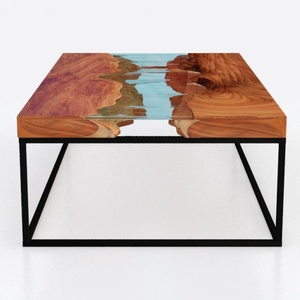
Modern Solid Wood Epoxy Resin Square Coffee Table 3D Model

Modern Black Metal LED Gaming Desk 3D Model
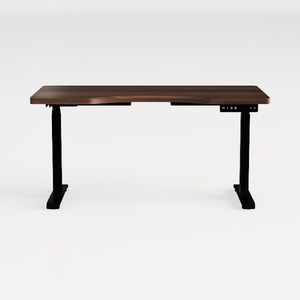
Modern Walnut Solid Wood Black Metal Adjustable Standing Desk 3D Model
Homestyler offers an easy-to-use online design tool with stunning 3D renderings, inspiring interior projects, and helpful DIY video tutorials—perfect for turning your home design ideas into reality effortlessly.
立即免费设计
































