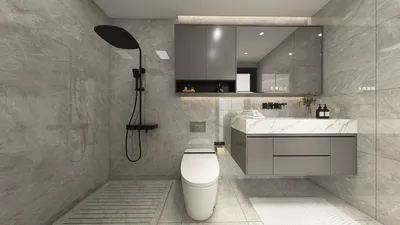


In an age where streaming platforms like DIRECTV shape our entertainment choices, designing a living room that enhances screen visibility and sound experience becomes essential. Thoughtful spatial planning with comfortable seating and adjustable lighting can transform a home theater setup, ensuring technology integrates seamlessly into your living space while supporting relaxed viewing habits. Utilizing tools like Homestyler can streamline this process, allowing you to visualize and optimize your space effectively before making physical adjustments.
Direct Answer
Three-dimensional (3D) models play a pivotal role in contemporary design by enabling visualization of concepts, evaluation of spatial configurations, communication with clients, and minimization of costly construction errors. Whether it's interior design, architecture, product development, or marketing visualization, 3D modeling empowers designers to replicate realistic environments virtually before any actual build takes place.
Within professional design workflows, 3D modeling acts as both an inventive medium and a critical decision-support mechanism.
Quick Takeaways
Introduction
Having engaged in interior and residential design for over ten years, I can firmly assert that 3D models have quietly become indispensable in modern design practices. Whereas traditional presentations once relied heavily on sketches and mood boards, today nearly all serious design deliberations center on detailed 3D representations.
Clients demand tangible visuals of spaces prior to construction starts. Builders require exact measurements, and marketing departments seek realistic images suitable for publication. Effective 3D models address all these requirements simultaneously.
However, many still misconstrue 3D modeling as solely a tool for producing appealing renders. Its influence extends much further, impacting layout planning, budgeting, and construction efficiency.
Why Are 3D Models Essential in Modern Design Workflows?
Key Insight: 3D models convert abstract design ideas into tangible, testable environments.
In practical projects, the main obstacle is frequently clarity rather than creativity. Clients often find floor plans hard to interpret, contractors may misread drawings, and minor spatial errors can become costly when construction commences.
A 3D model bridges this communication gap by translating technical plans into accessible, understandable forms for all parties involved.
In our design studio, we typically employ 3D models throughout three primary phases:
The American Institute of Architects has highlighted that digital modeling tools substantially enhance collaboration between design and construction teams, especially on complex residential and commercial ventures.
How Do Architects and Interior Designers Use 3D Models?
Key Insight: Architects and interior designers utilize 3D models primarily to evaluate spatial relationships before the building process starts.
One often overlooked advantage of 3D modeling is spatial testing. A room that appears adequately spacious on flat plans may feel confined once furniture, lighting, and movement flow are considered.
Typical applications in architecture and interior design include:
For instance, during a recent apartment renovation in Los Angeles, our 3D model exposed that a proposed kitchen island obstructed the main circulation route by nearly 12 inches. Rectifying this issue digitally took minutes, whereas correcting it post-installation would have entailed costly carpentry work.
What Role Do 3D Models Play in Product Design?
Key Insight: In product development, 3D models serve both as engineering prototypes and marketing materials.
Industrial designers rely extensively on 3D modeling well before any physical prototype is constructed. These models become crucial references for engineers, manufacturers, and promotional teams alike.
Common uses encompass:
Companies such as Apple and Dyson are renowned for iterating through hundreds of digital prototypes before finalizing production models.
Can 3D Models Reduce Design Costs and Mistakes?
Key Insight: Early digital validation helps avoid expensive on-site errors.
A significant hidden expense in design projects stems from changes late in the construction process. Discovering mistakes during building or manufacturing often triggers a domino effect of costly alterations across various trades or production stages.
3D modeling enables early detection of such issues.
Frequently identified problems via modeling include:
In renovation projects I've managed, spotting layout conflicts through digital models routinely prevents weeks of scheduling setbacks.
Where Else Are 3D Models Used Today?
Key Insight: 3D models now support entire industries beyond traditional design sectors.
While many associate 3D modeling primarily with architecture or video games, its application is far more extensive in today's landscape.
Industries utilizing 3D models include:
Interestingly, many sectors recycle foundational models for diverse uses—from renderings and marketing videos to interactive walkthroughs and augmented reality previews.
Answer Box
3D models function in modern design to visualize environments, assess practicality, convey concepts to stakeholders, and mitigate costly design flaws. They create a shared reference framework among designers, clients, engineers, and builders.
Final Summary
FAQ
What are 3D models used for in design?
They visualize spaces, examine layouts, simulate lighting scenarios, and communicate design intentions to stakeholders and construction teams.
Why are 3D models important in modern design?
They enable early identification of spatial conflicts and material incompatibilities prior to construction.
Do interior designers use 3D models?
Absolutely. Interior professionals routinely employ 3D models to showcase layouts, material choices, lighting effects, and furniture proportions.
Are 3D models used in product design?
Yes. They assist in refining form, testing components, and preparing detailed manufacturing specifications.
Can 3D models reduce project costs?
Indeed. Detecting errors early in the digital phase prevents costly fixes during building or production.
What software is commonly used to create 3D models?
Popular tools include SketchUp, Blender, Rhino, 3ds Max, and SolidWorks, while platforms like Homestyler offer user-friendly options for spatial planning and interior visualization.
Are 3D models used in real estate marketing?
Certainly. Developers use them for virtual tours, promotional imagery, and pre-construction presentations showcasing properties.
Can 3D models be reused across projects?
Yes. Designers frequently repurpose libraries of furniture, lighting, and architectural objects for multiple modeling projects to maintain efficiency and consistency.

Minimalist Concrete Large Planter Pot with Greenery 3D Model
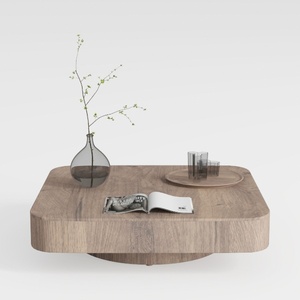
Minimalist Solid Oak Square Floating Coffee Table 3D Model

Homestyler is a user-friendly online home design platform offering powerful 3D rendering tools, inspiring design projects, and helpful DIY video tutorials. It’s ideal for visualizing and creating your perfect space with ease and creativity.
Desain sekarang Gratis
































