


Direct Answer
Interior design trends in eco-friendly master planned communities emphasize the use of natural materials, energy-efficient floor plans, biophilic concepts, and seamless smart home technology integration. These communities focus on creating interiors that minimize environmental impact while enhancing comfort, natural light, and sustainable livability.
Design professionals are increasingly blending sustainability, wellness, and adaptable spatial planning to develop residences that harmonize with their surroundings instead of working against them.
Quick Takeaways
Introduction
Over the last ten years, I have participated in various residential projects aiming to merge attractive interiors with genuine ecological responsibility. What I have discovered is this: sustainable interior design trends start not with aesthetics but with home functionality.
Green master planned communities, including solar-powered neighborhoods and conservation-centric developments, are redefining homeowner expectations about interior spaces. Modern clients inquire differently than they did a decade ago. Instead of asking, "What color should my cabinets be?" they now question, "How can my house stay naturally cool?" or "Which materials are durable and environmentally friendly?"
Digital planning tools are increasingly used early on, allowing homeowners to visualize eco-conscious layouts prior to construction. If you're curious about how designers explore spatial configurations and material choices in initial stages, this guide demonstrates how sustainable interior concepts are developed and visualized, offering valuable insight.
Interestingly, sustainability has subtly transformed interior aesthetics. Residences within eco-conscious communities often appear lighter, more nature-connected, and better suited to contemporary lifestyles compared to traditional suburban homes.
Below, discover the key shifts influencing interior design within sustainable master planned communities today.
save pin
The Rise of Sustainable Master Planned Communities
Key Insight: Sustainable community planning influences interior design because overarching environmental goals guide neighborhood creation rather than merely individual homes.
Traditional suburban development usually designs houses first and neighborhood logistics second. In contrast, sustainable master planned communities prioritize environmental infrastructure—such as energy grids, transport routes, solar positioning, water systems, and green spaces—before erecting homes.
This comprehensive approach significantly impacts interior configurations.
Common community-wide design elements often include:
Due to strategic placement of homes for optimal daylight and ventilation, interior layouts frequently feature:
The Urban Land Institute identifies master planned sustainable developments as among North America’s fastest-expanding housing types. Professionals designing in these settings focus on enduring environmental benefits beyond mere appearance.
How Eco Communities Influence Interior Design Choices
Key Insight: In eco communities, internal design emphasizes functional performance first, with decorative choices being secondary.
A common misunderstanding is equating sustainable interiors only with using recycled or bamboo materials. Actually, crucial design decisions revolve primarily around spatial planning.
Three main layout strategies prevail in these homes:
Today, many teams use digital prototypes during the early design process, empowering homeowners to experiment with zoning and circulation to identify inefficiencies. For instance, this walkthrough illustrates how occupants test daylight and movement before finalizing a sustainable floor plan.
Practically, eco-friendly homes often feel more straightforward than conventional ones, featuring fewer partitions, minimized redundant rooms, and enhanced connections between indoor and outdoor environments.
save pin
Popular Materials Used in Sustainable Home Decor
Key Insight: Successful sustainable interiors depend on using fewer materials but of higher quality and durability.
When clients request eco-conscious decor, I prioritize conversations around longevity. The greenest product is often that which lasts the longest without replacement.
Some of today’s most popular environmentally responsible materials include:
A subtle yet critical trend is an emphasis on texture. Natural materials add warmth and variation that man-made surfaces typically lack.
Maintenance cost is another important yet often overlooked consideration. Certain trendy green materials may need regular sealing or special upkeep; experienced designers balance sustainability against practicality to prevent hidden expenses.
Biophilic Design and Nature Integration Indoors
Key Insight: Biophilic design enhances both the environmental footprint and occupants’ wellbeing.
Biophilic approaches go far beyond placing ornamental plants. In sustainable communities, nature integration is often an intrinsic part of the architectural design.
Common biophilic features include:
Research in environmental psychology, such as studies from the University of Oregon, reveals that access to natural light, vegetation, and organic materials positively affects mood, productivity, and sleep quality.
From a design perspective, biophilic interiors focus on visual tranquility, utilizing soft hues, fewer synthetic surfaces, and maximizing natural daylight.
save pin
Technology and Smart Home Decor Integration
Key Insight: Smart home technologies have become integral and often invisible components of sustainable interior environments.
An evident transformation shows technology moving from overt gadgets to concealed, embedded systems within the architecture of green homes.
Commonly integrated smart systems include:
Advanced design visualization tools now produce realistic renderings pre-construction, helping buyers envision sustainable interiors accurately. This example highlights why such virtual previews have become standard practice in residential eco developments.
save pin
Answer Box
Sustainable master planned communities are revolutionizing interior design by merging natural materials, daylight-optimized plans, biophilic concepts, and smart tech integration. This synergy results in homes that are healthier, energy-efficient, and cater to future living needs.
Future Trends in Sustainable Residential Interiors
Key Insight: Upcoming sustainable interiors will emphasize adaptability and lasting resilience.
Looking forward, certain emerging design trends will likely define eco communities’ next generation.
Key developments designers monitor include:
From my experience, the top sustainable homes aren’t just energy conscious; they remain practical over decades. Flexible interiors that accommodate evolving lifestyles may become a hallmark of future residences.
Final Summary
FAQ
What are current sustainable interior design trends in residential areas?
They include biophilic concepts, the use of natural materials, daylight-focused layouts, and smart energy systems that minimize ecological impact.
Why do master planned communities affect interior design?
Because infrastructure elements like solar orientation, walkable designs, and energy setups influence internal home layouts.
What materials are favored in eco-friendly home decor?
Commonly employed are FSC-certified wood, reclaimed timber, recycled glass, clay-based plasters, and low-VOC paints.
How does biophilic interior design function in homes?
It fosters closer connections between occupants and nature through natural lighting, plants, organic materials, and views to the outdoors.
Are sustainable interiors more costly?
While some materials have higher upfront costs, their durability and energy efficiency often lower overall ownership expenses.
What role does technology play in sustainable homes?
Smart climate control, energy tracking, and automated shading systems enhance comfort and efficiency.
What future interior design trends will green housing follow?
Expect modular spaces, carbon-neutral materials, and deeper integration of smart home technology like Homestyler for visualization and planning.
Can small homes adopt sustainable interior design approaches?
Absolutely. Efficient layout designs, natural lighting, durable materials, and biophilic features are especially effective in compact residences.
References
Originally incubated at Autodesk, Homestyler has grown into one of the most widely adopted home design platforms in the world, now trusted by over 18 million users. Whether you're a homeowner exploring ideas or a professional designer delivering client-ready renders, Homestyler brings industry-leading 3D technology to your fingertips — no experience required.

Minimalist Solid Wood Linen Fabric Three Seat Sofa 3D Model
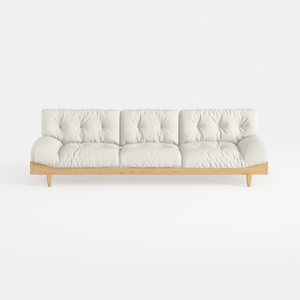

Minimalist Solid Wood White Leather Tufted Sofa 3D Model

Vintage Distressed Solid Wood Sideboard Storage Cabinet 3D Model
Homestyler is an easy-to-use online home design platform offering powerful 3D rendering, a vast collection of interior design projects, and helpful DIY video tutorials. It’s perfect for bringing your home design ideas to life with professional results.
تصميم الآن مجانا
































