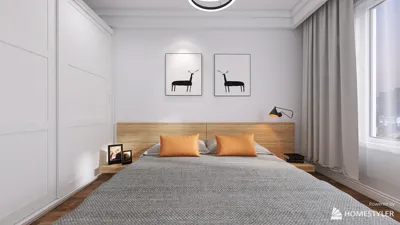


In today's smart homes, seamless integration of technology like the Nest app is key to managing comfort and security effortlessly. When the Nest app faces interruptions, it reminds us how crucial a reliable tech setup is in our living spaces. Designing furniture that accommodates smart devices while maintaining aesthetic harmony can enhance the overall functionality and atmosphere of any room, making technology a natural part of our home environment.
Executive Summary
Deciding between static (offline) rendering and real-time rendering represents a pivotal choice in the workflow of any interior designer or visualization expert. Static rendering focuses on achieving the highest visual accuracy by creating photorealistic still images through intensive computations such as path tracing and global illumination. Conversely, real-time rendering emphasizes interactive performance, producing 30 to 60 frames per second to allow live navigation, editing, and presentation of designs. Neither technique is superior universally; each is optimized for different stages of the design-to-delivery process. This article explores these approaches in terms of speed, image quality, client engagement, iteration processes, hardware needs, and final outputs, helping you select the best fit for each phase. Integrating tools like Homestyler within your workflow can further enhance design visualization and client communication.
How Static Rendering Works
Static rendering, sometimes known as offline or pre-rendering, processes every pixel of a scene before displaying the final image. The rendering engine accurately simulates light behavior by tracing rays as they reflect off surfaces, penetrate transparent elements, and scatter within participating media. Freed from real-time constraints, the engine can spend several minutes or hours calculating effects like global illumination, caustics, subsurface scattering, and complex shaders.
Popular static render engines widely used in interior design include V-Ray, Corona Renderer, and Blender Cycles. These solutions excel in producing marketing-grade hero images, portfolio shots, and magazine-quality stills where every reflection, soft shadow, and fabric detail must appear lifelike.
Because offline rendering requires a new render cycle with every design modification, it is less suitable for rapid design iterations but ideal for delivering final images where visual precision is paramount.
How Real-Time Rendering Works
Real-time rendering aims for interactive frame rates, typically between 30 and 60 FPS. Instead of physically exhaustive light transport calculations, real-time engines use rasterization, screen-space effects, precomputed lighting, and advanced hybrid ray tracing techniques to simulate realistic visuals efficiently.
Engines such as Unreal Engine, Unity, Enscape, Twinmotion, Lumion, and D5 Render drive contemporary real-time interior visualizations. These platforms sacrifice some physical accuracy in favor of the ability to explore scenes dynamically, alter materials instantly, switch furniture styles during client presentations, and export images swiftly rather than waiting hours.
The immediate feedback loop offered by real-time rendering fundamentally transforms collaboration with clients and speeds up the design iteration process.
Head-to-Head Comparison
The following summary highlights crucial distinctions influencing interior design workflows.
When to Use Static Rendering
Choose static rendering when your deliverables require uncompromising visual fidelity and you know the desired viewpoints in advance. Typical cases include:
The primary downside is time consumption—rendering a few key angles of a residential room might take several hours, including time for re-renders due to adjustments.
When to Use Real-Time Rendering
Real-time rendering is ideal when quick turnaround, interactivity, and collaborative design decisions outweigh the need for perfect photorealism:
The visual gap between real-time and static rendering is closing rapidly. Breakthroughs such as Unreal Engine’s Lumen system and hardware-accelerated ray tracing (seen in NVIDIA RTX and D5 Render's real-time GI) produce real-time output comparable to offline renders for many interiors. Additionally, AI-driven 3D visualization tools like Homestyler are accelerating this convergence further.
Combining Both in a Single Workflow
Top-tier interior visualization pipelines treat static and real-time rendering as complementary rather than competing. A hybrid approach might be:
This strategy leverages real-time rendering’s speed during early-stage design changes while reserving static rendering for a limited set of hero shots requiring pixel-perfect quality.
Software like Homestyler integrates modeling, real-time visualization, and AI-enhanced rendering into one seamless platform, minimizing the friction of switching between tools throughout the project lifecycle.
Quality Checks and Common Mistakes
Key Decision Criteria
When choosing the appropriate rendering method, consider these questions:
Many projects benefit from both approaches in sequence. This approach applies across various project types—residential, commercial, and specialty rooms alike. For example, kitchen and bath designs often use real-time material swaps during client meetings followed by offline renders for the final outputs.
FAQ
Neither static nor real-time rendering is inherently superior. Static rendering offers higher visual fidelity and suits marketing images, print materials, and portfolios. Real-time rendering facilitates interactive walkthroughs, client collaboration, and much quicker iteration. The majority of professionals employ both.
Technologies like hardware ray tracing, Lumen, and AI denoising have significantly narrowed the quality gap. Offline rendering maintains advantages in physically accurate light transport effects like caustics and complex material interactions. However, for many interiors, real-time renders meet client expectations well, while hero images intended for print still benefit from offline methods.
Creating a single 4K interior still can take from 20 minutes to several hours, based on scene complexity, lighting, renderer, and hardware. Rendering a set of 5 to 10 hero views often requires a full workday.
Smooth real-time interior visualization generally requires a modern discrete GPU with at least 8 GB VRAM (e.g., NVIDIA RTX 3070 or equivalent). More intricate scenes with high-res textures and dynamic lighting perform best with 12 GB or more.
Real-time engines function best with optimized assets—lower polygon counts, efficiently laid out UVs, and compressed textures. Models created solely for offline rendering usually need adjustments for adequate real-time performance.
Real-time rendering supports many deliverables including video walkthroughs, interactive panoramas, VR experiences, and social media content. Nevertheless, offline rendering remains the gold standard for large-format print and high-end marketing visuals.
Several platforms now support both static and real-time rendering. Solutions like D5 Render offer real-time viewport navigation combined with offline-quality path-traced outputs. Enscape and Twinmotion provide real-time exploration with optional exports of higher-quality stills. All-in-one platforms such as Homestyler further streamline hybrid workflows.
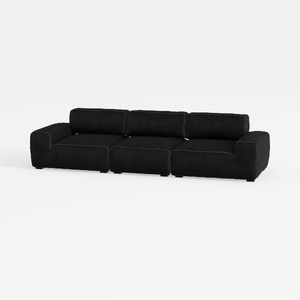

Minimalist Black Fabric Modular Sofa 3D Model
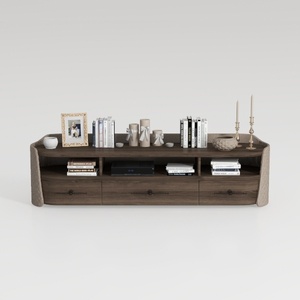
Minimalist Solid Wood Fabric TV Stand Cabinet with Storage Drawers 3D Model

Modern Contemporary Velvet Fabric Extra Large Sofa With Side Trays 3D Model
Homestyler offers an easy-to-use online design tool with stunning 3D renderings, inspiring interior projects, and helpful DIY video tutorials. It’s the perfect platform to bring your home design ideas to life effortlessly.
Concevez maintenant gratuitement
































