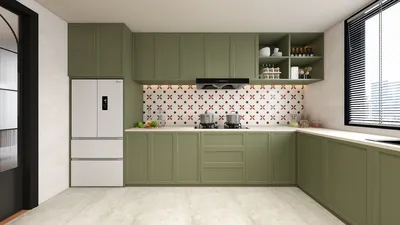


With the rise of AI tools like ChatGPT becoming integral to daily productivity, many of us now design our home workspaces to accommodate seamless digital interaction. Creating ergonomic setups that support extended screen time and easy access to technology not only enhances comfort but also promotes focus. Thoughtful space planning and furniture choices, such as adjustable desks and cable management solutions, are essential for blending high-tech lifestyles into functional living environments. Tools like Homestyler can assist in visualizing and optimizing these designs effectively.
Optimal sofa positioning in a small living room prioritizes maximizing walking space, maintaining open sightlines, and centering the room around a defined focal point. For most tight areas, placing the sofa along a wall, slightly away from the wall, or aligned with the room's longest wall results in the most practical layout.
By defining the seating area without obstructing natural walkways, a small living room can appear more spacious and inviting.
Key Takeaways
Over many projects with small apartments and homes, I've observed that the way a couch is placed profoundly influences how spacious a small living room feels. Poor placement results in a cramped and awkward atmosphere, whereas proper arrangement can transform identical space into an open and harmonious environment.
Furniture size is rarely the sole problem in tiny living rooms. More often, flawed layout logic—such as pushing sofas into corners, impeding flow, or fragmenting the room—is the culprit.
This guide will explore effective strategies for arranging couches in small living rooms, techniques I frequently apply in real design scenarios. These tactics help to maximize open floor space, improve circulation, and foster a comfortable living area.
Why is sofa placement crucial in compact living spaces?
The sofa in a small room serves not only as seating but also as an organizational anchor that shapes the function of the entire space.
While furniture placement in large residences offers more flexibility, in a small living room, every inch matters. Even a slight misplacement can hamper movement or visually overwhelm the room.
From a design perspective, the sofa fulfills three primary roles:
Interior designers often anchor their layouts around the sofa since it occupies the most significant footprint. Recommendations from the National Association of Home Builders suggest maintaining circulation paths of 30 to 36 inches for comfortable navigation.
Is it always best to place a sofa against the wall in a small living room?
While pushing the sofa against the wall can save space in many small rooms, it does not always result in optimal function or visual harmony.
The common belief that all furniture should be pushed towards walls to maximize space can sometimes backfire, particularly in narrow or open-concept rooms, causing a fragmented feeling.
Here are three scenarios where wall alignment makes sense:
Alternatively, slightly pulling the sofa 6 to 12 inches away from the wall can add visual breathing room and enhance proportions. I have found in several studio apartment designs that this subtle shift creates a more intentional and welcoming layout.
How to float a sofa effectively in a small living room without wasting space
Floating a sofa is most effective when it defines distinct zones instead of obstructing paths.
Although floating furniture is often associated with large homes, it can be equally beneficial in small, especially open-plan, apartments.
Successful floating involves:
In one 600-square-foot condominium project, I used floating furniture to delineate the living room from the dining area without physical barriers, enhancing openness.
What is the ideal sofa orientation for a small living room?
Aligning the sofa parallel to the longest wall typically yields the most balanced and spacious layout.
Designers frequently adhere to a guideline: major furniture pieces should correspond with the longest architectural dimension of the room.
This technique helps the room feel wider naturally. While placing the couch perpendicular to the longest wall is possible, it requires precise spacing to keep pathways clear.
Common mistakes when arranging couches in small living rooms
Most layout problems stem from blocking natural light, doors, or circulation routes.
Repeated analysis of client floor plans reveals consistent errors, such as:
These mistakes often make rooms appear smaller and less functional than they truly are.
Enhancing couch placement with rugs and lighting
Choosing appropriate rug dimensions and layering lighting are key to grounding the sofa and creating an intentional feel, rather than cramped.
Visual reinforcement of the seating zone can be achieved by:
According to the American Society of Interior Designers, layering lights evenly brightens the room and contributes to a perception of greater spaciousness.
Summary
The optimal couch arrangement in a small living room maintains clear walking routes, aligns the sofa with the longest wall, and avoids obstructing windows or entrances. Even minor adjustments, like floating the sofa slightly or using a larger rug, can significantly enhance the room’s comfort and appearance. Utilizing design platforms such as Homestyler helps in experimenting with and perfecting these layouts digitally.
Frequently Asked Questions
1. Where is the ideal location for a couch in a small living room?
Position the sofa along the longest wall or facing the room’s main focal point, ensuring pathways remain unobstructed.
2. Is floating a couch suitable for small living rooms?
Yes, floating works well in open floor plans when the couch defines zones without hindering movement.
3. How much clearance should be left behind a sofa?
Maintain 30 to 36 inches of space if the area serves as a walkway.
4. What couch size works best in a compact living room?
Small-scale sofas, loveseats, and compact sectionals are usually the most appropriate.
5. Should a couch face the television?
Generally, aligning the couch towards the TV improves comfort and viewing experience.
6. How can you make a small living room feel more spacious?
Use low-profile furniture, maximize natural light, and keep circulation paths clear.
7. Are L-shaped sofas practical in small living rooms?
Compact L-shaped sectionals can fit well if they don’t obstruct walkways or entrances.
8. What is the biggest mistake when placing a couch in a small living room?
Obstructing windows or pathways, which causes the space to feel confined.
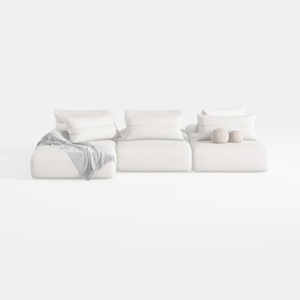
Minimalist White Fabric Modular Sectional Sofa 3D Model

Modern Houndstooth Fabric Black Metal Wood Top End Side Table 3D Model
Minimalist White Solid Wood Dresser 4 Drawer Storage Cabinet 3D Model
Homestyler offers an easy-to-use online home design tool with stunning 3D renderings, inspiring design projects, and helpful DIY video tutorials—perfect for turning your interior design ideas into reality quickly and effortlessly.
지금 무료로 디자인하세요
































